
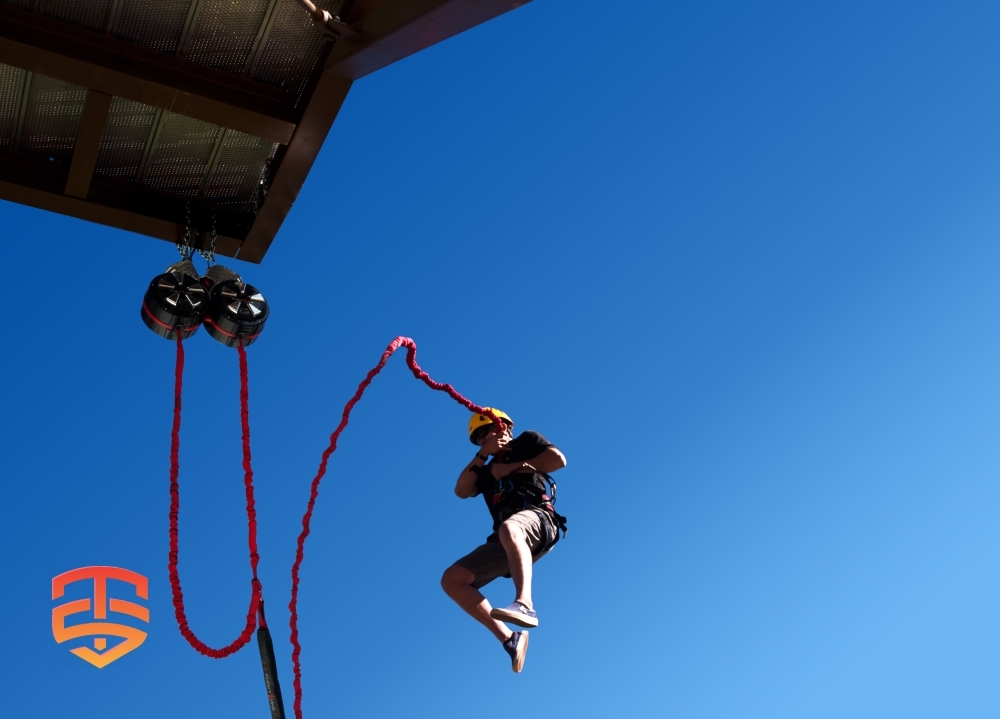

Description
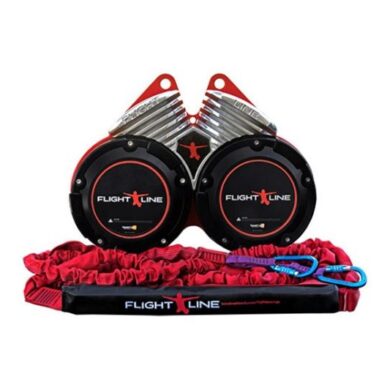
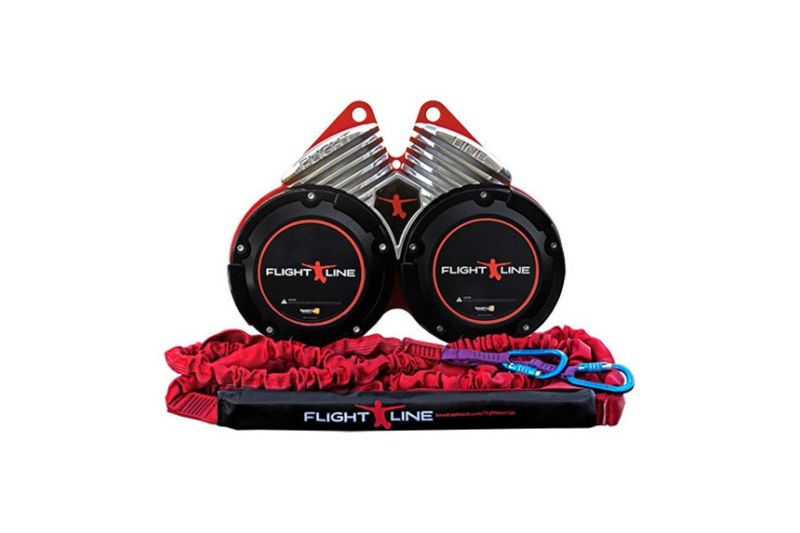
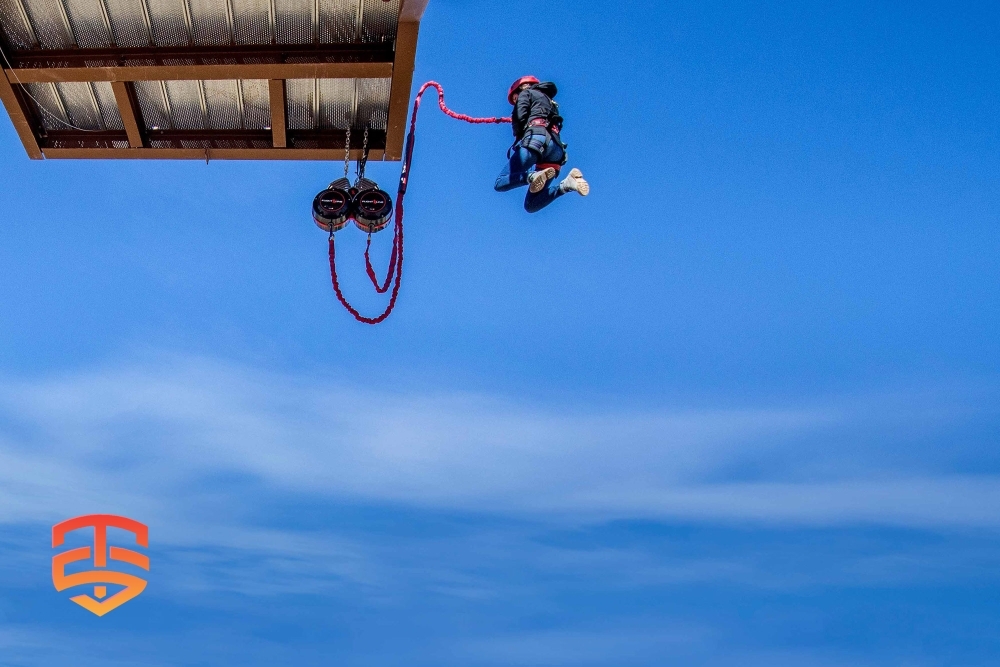
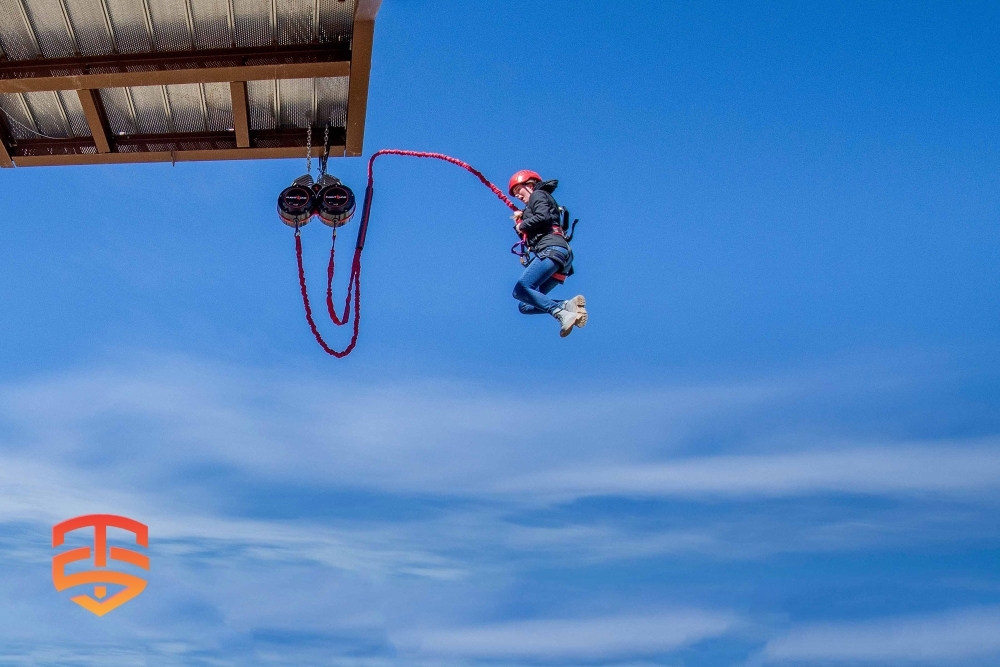
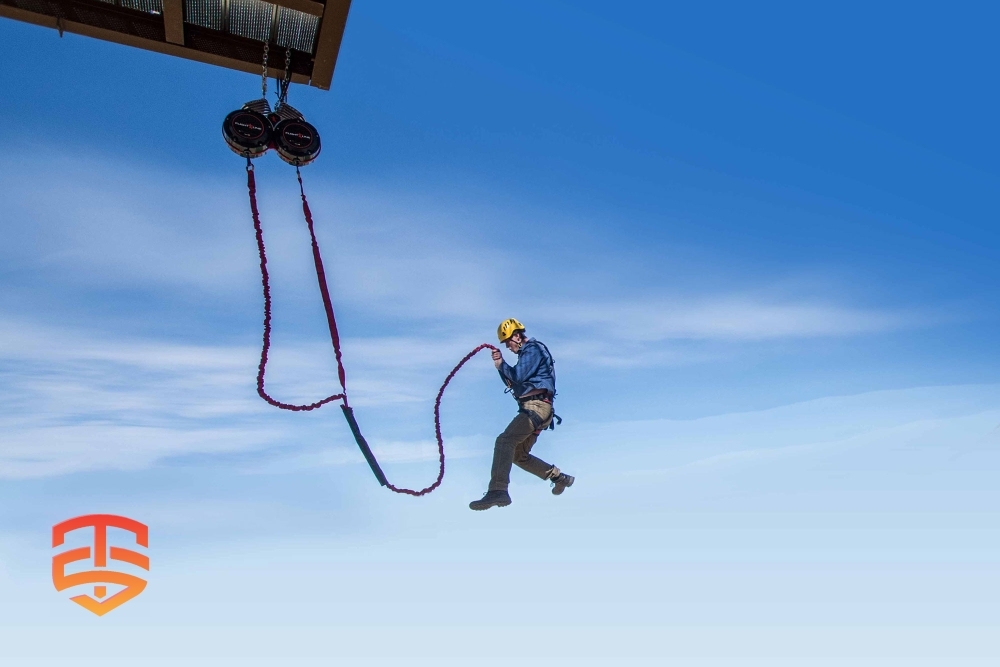
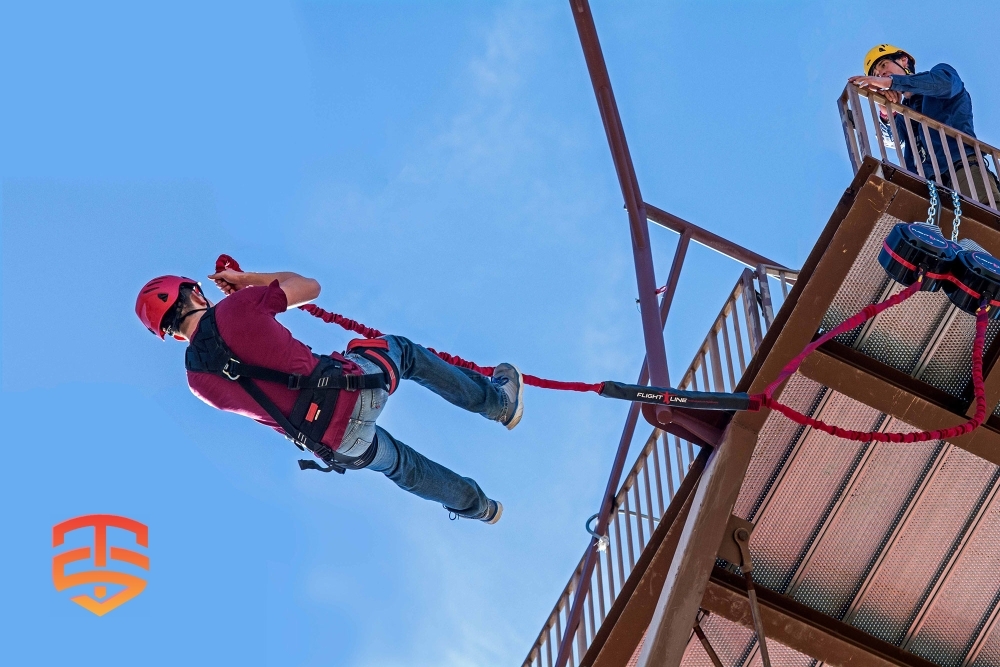
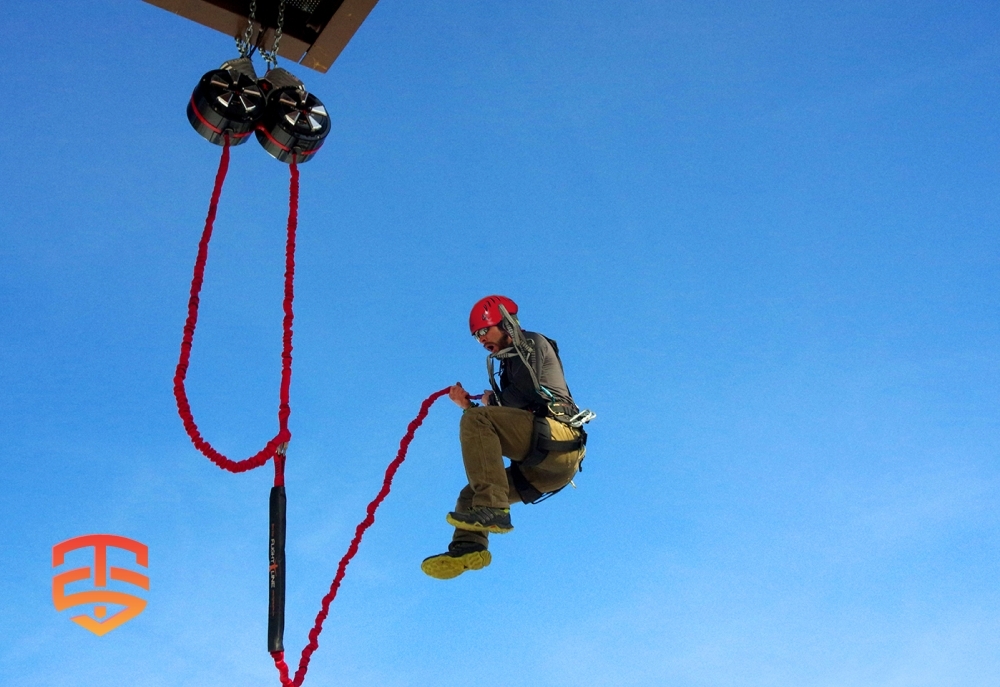
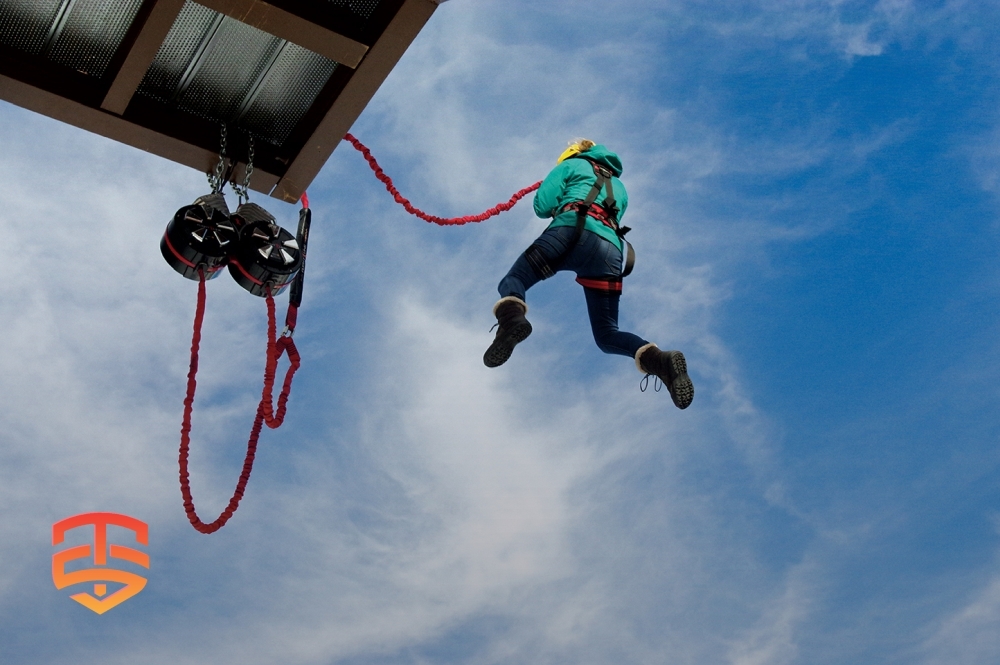
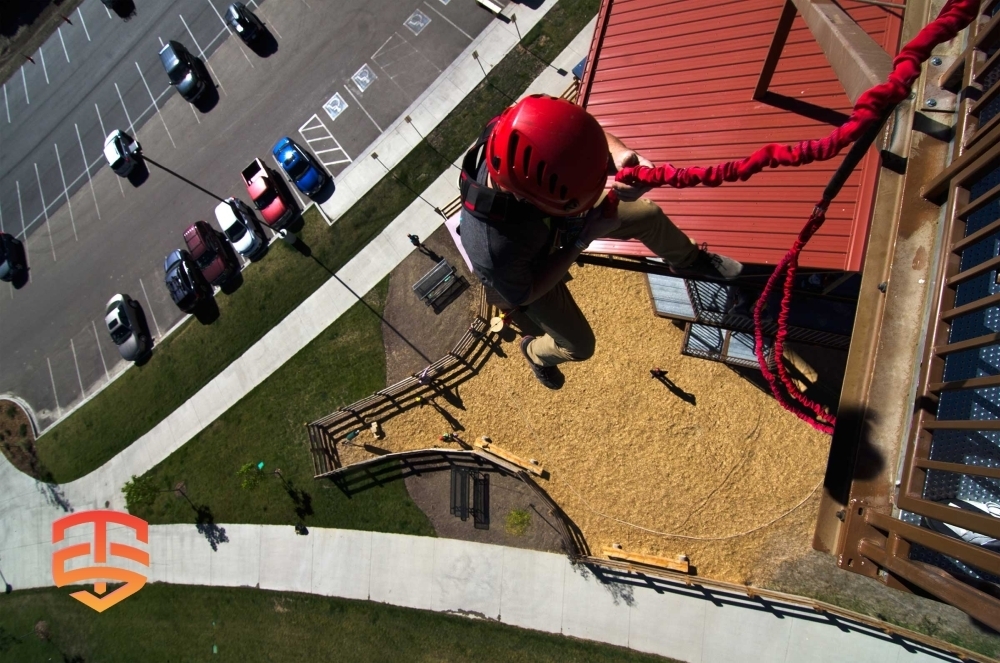
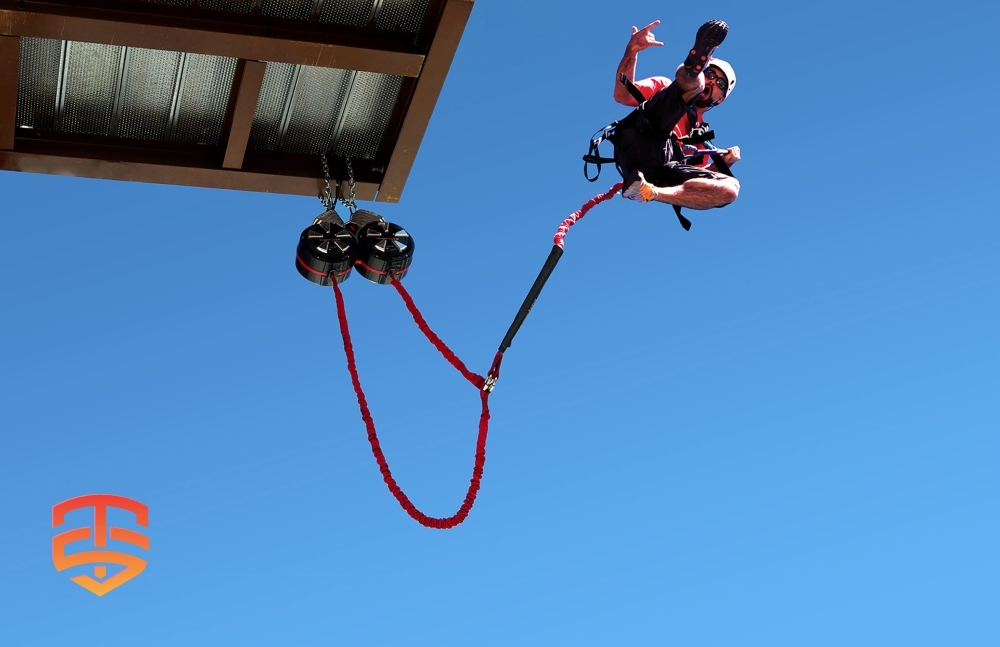
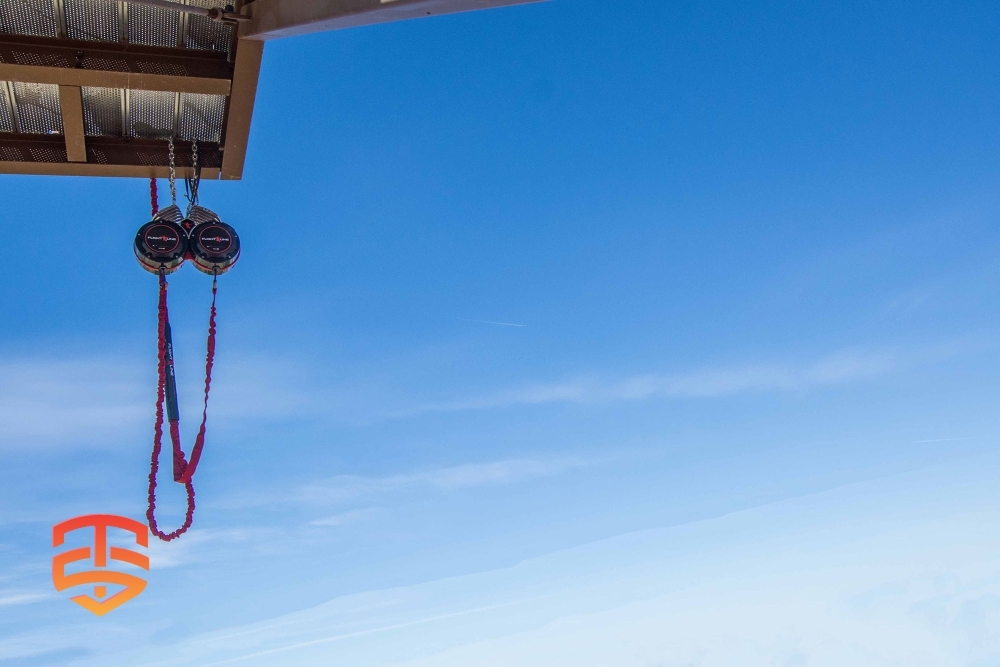
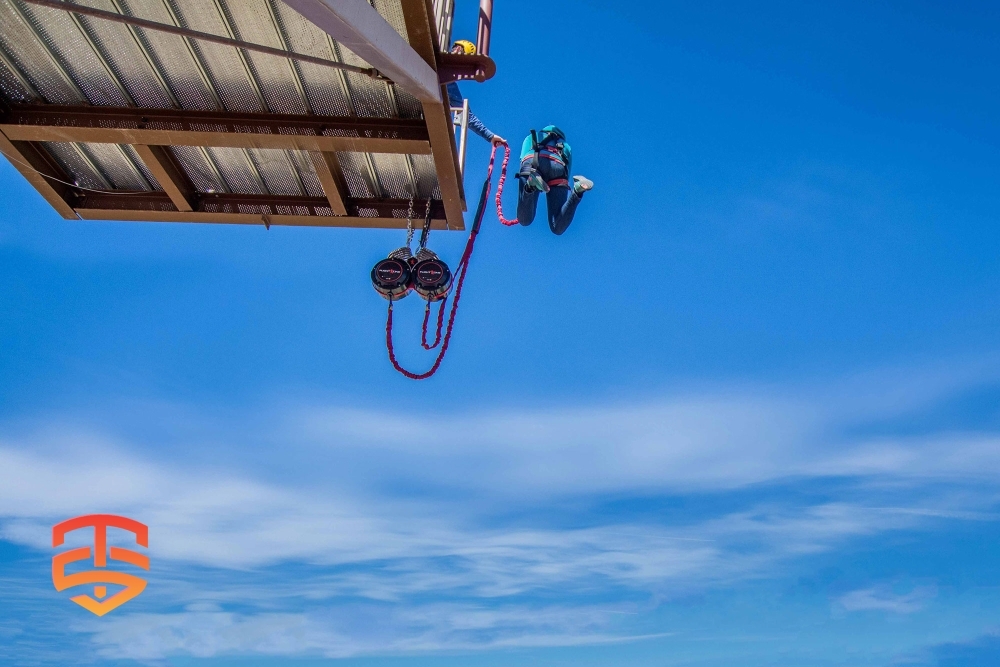
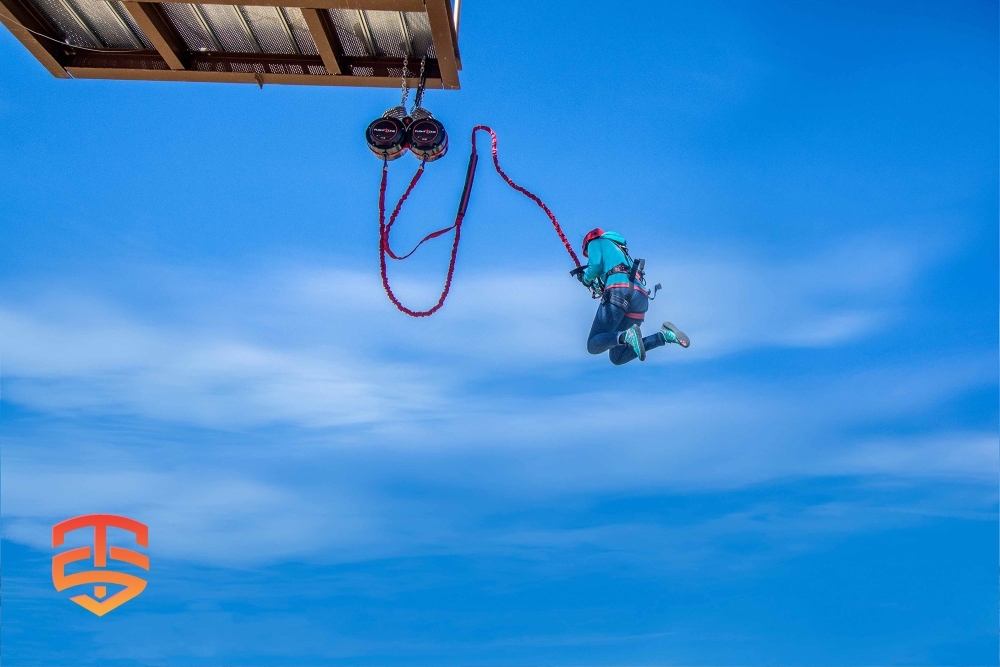
For operators demanding the pinnacle of thrill engineering, the FlightLine Free Fall Device stands as the industry benchmark. Unlike standard auto belays or entry-level jumpers, the FlightLine is an extreme descent machine designed to replicate the sensation of skydiving. Utilizing Head Rush Technologies’ proven eddy current expertise, this device solves the critical “throughput vs. thrill” trade-off, allowing parks to process high volumes of riders safely while delivering a heart-pounding “true free fall” experience that drives repeat visitation.
Ideal Applications
High-Volume Adventure Parks: Core attraction for towers >20m looking to maximize rider capacity.
Theme Parks & Carnivals: Standalone thrill element with a compact footprint.
Multi-Activity Towers: High-adrenaline “grand finale” for ropes courses.
Urban Adventure Hubs: Suitable for both indoor and outdoor commercial facilities.
Quick-Jump Upgrade: The next logical step for venues outgrowing the QuickFlight XL.
Technical Specifications
Safety Certifications:
ASTM F2291: Standard Practice for Design of Amusement Rides and Devices.
ASTM F24: Amusement Rides and Devices.
CE Marked: Complies with relevant European machinery directives.
ISO 17025: Tested in accredited laboratories.
Load Ratings:
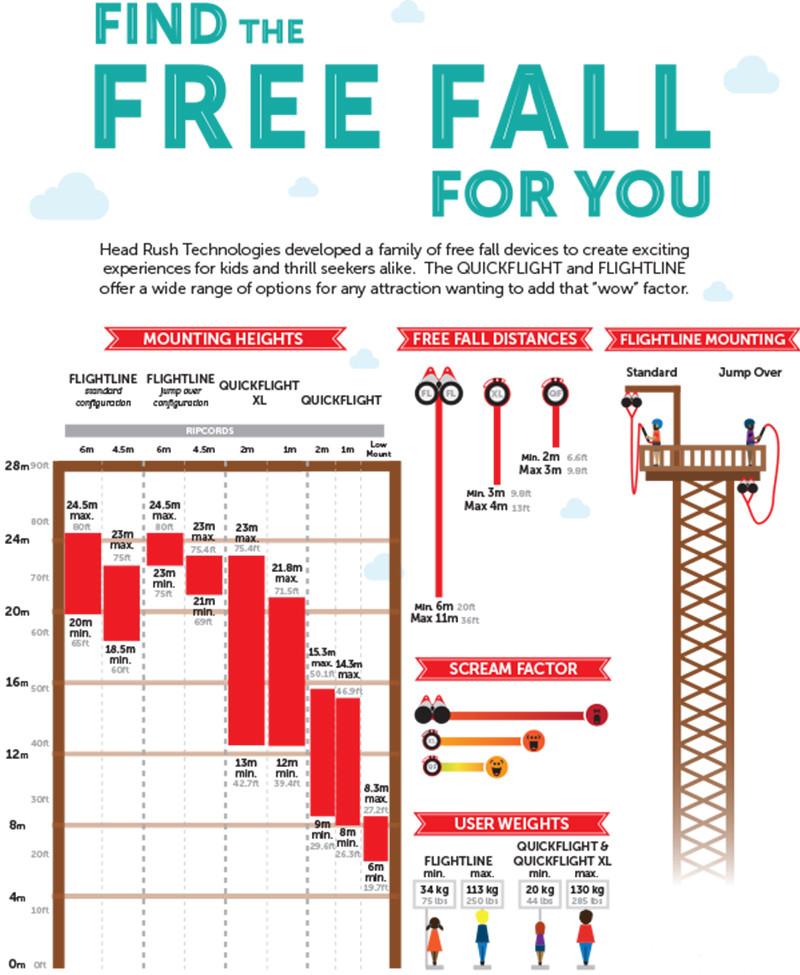
Rated Working Capacity (4.5m RipCord): 34 – 113 kg (75 – 250 lbs).
Rated Working Capacity (6.0m RipCord): 34 – 130 kg (75 – 285 lbs).
Dimensions & Weight:
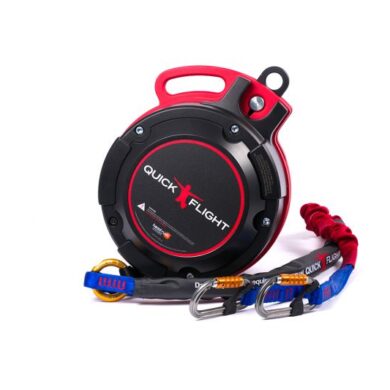
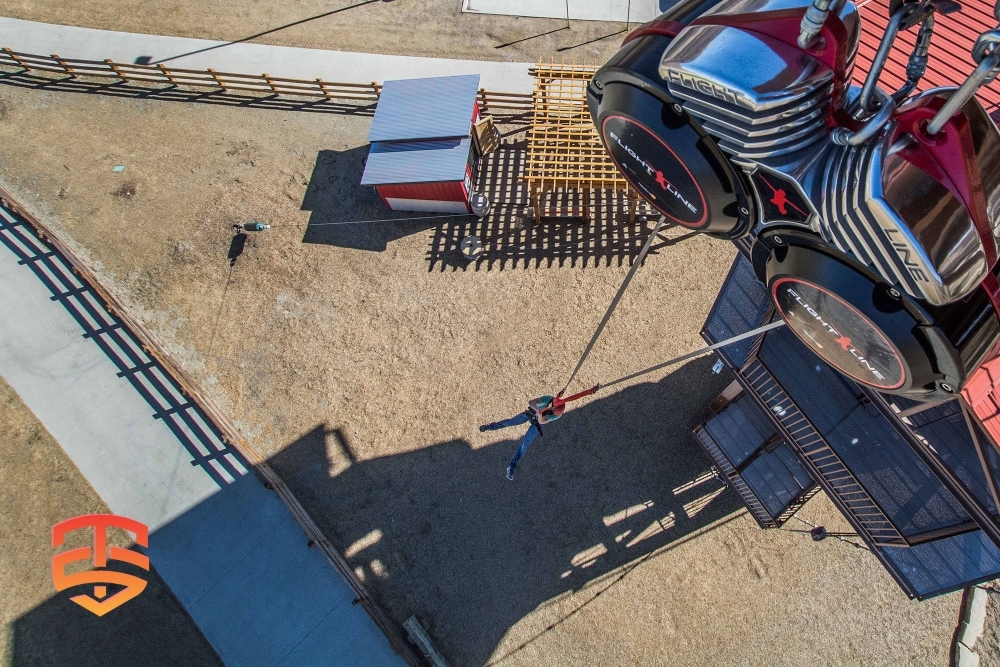
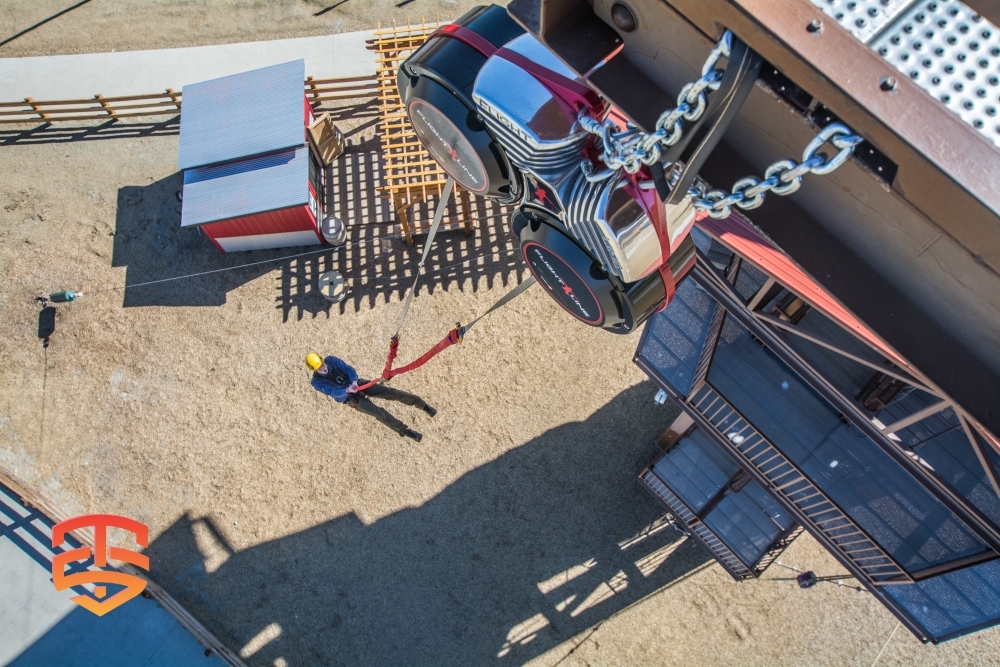
Device Dimensions: 615 x 457 x 234 mm (24.2 x 18 x 9.2 in).
Device Weight: 59 kg (130 lbs).
Mounting Requirements (Standard):
Min Height: 18.5 m (60 ft).
Max Height: 24.5 m (80 ft).
Free Fall Distance:
4.5m RipCord: Approx. 4.5 m (15 ft) free fall.
6.0m RipCord: Approx. 8 m (26 ft) free fall (Total descent sensation up to 11m).
Operational Efficiency & Engineering
The FlightLine is not just a descent device; it is a throughput engine.
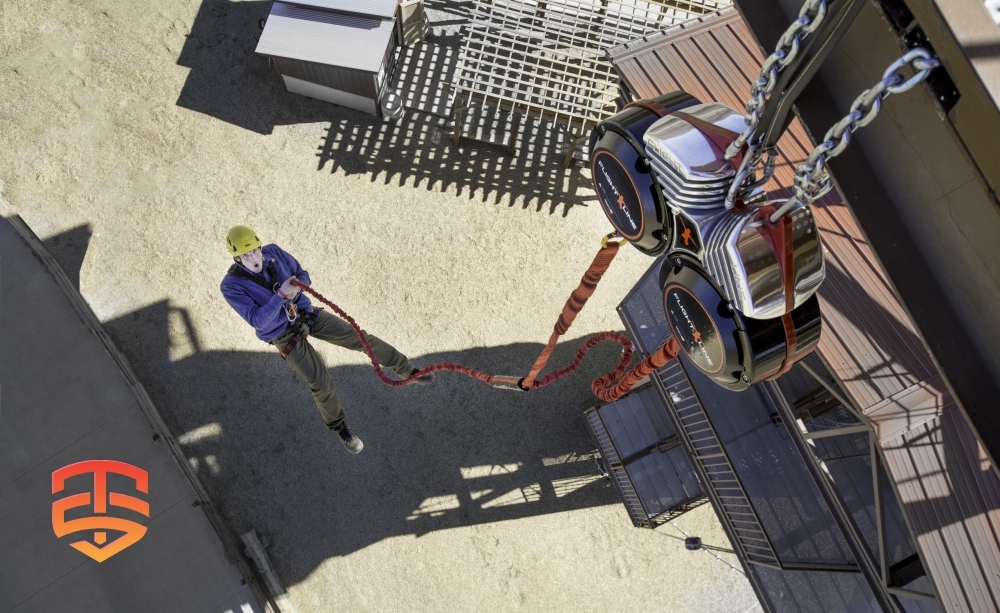
Magnetic Eddy Current Braking: The system utilizes non-contacting magnets to generate braking force. This means zero friction, no contacting wear parts, and consistent performance regardless of weather conditions.
Dual-Stage Braking: The primary operational efficiency lies in its “Staged” braking. The device allows a predefined free-fall distance before the magnetic array engages, creating a “soft catch” that adjusts to the rider’s weight automatically. This eliminates the need for operator adjustments between riders, significantly increasing riders per hour (RPH).
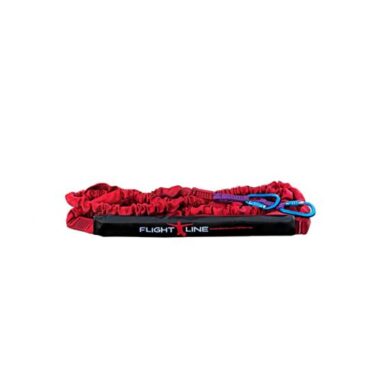
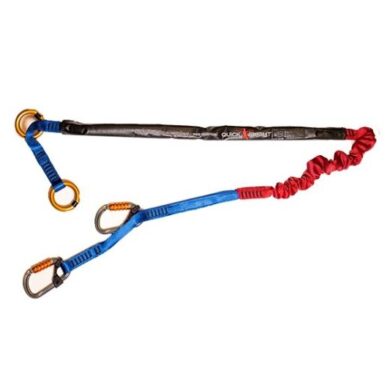
Redundancy: Features a dual-webbing system for critical safety redundancy, ensuring Grade-A engineering compliance.
7. Maintenance & Lifecycle
Designed for a low Total Cost of Ownership (TCO) in commercial environments.
Service Intervals:
First Inspection: 15 months after manufacture date.
Annual Recertification: Every 12 months thereafter by an authorized service center.
Field Replaceable Parts: RipCords and webbing are designed for modular replacement, reducing downtime.
Durability: The magnetic system incurs no thermal degradation or friction wear, vastly outlasting mechanical friction brakes.
Housing: Weather-resistant casing suitable for permanent outdoor installation.
Expert FAQ
Q: How does the “Jump Over” configuration differ from standard mounting engineering-wise?
A: In a standard mount, the device is overhead. In a “Jump Over” configuration, the device is mounted at platform level (or slightly below), and the webbing runs up to a redirection point. This geometry allows for a longer effective free fall relative to the mounting height, maximizing the thrill factor on shorter towers.
Q: Can the FlightLine operate in extreme weather conditions?
A: The magnetic braking technology is impervious to rain, snow, and temperature fluctuations because it relies on magnetic fields rather than friction. However, standard operational safety limits regarding high winds and lightning for the tower structure itself must be adhered to.
Q: What is the primary difference between QuickFlight XL and FlightLine?
A: The difference is the “free fall geometry.” QuickFlight XL offers a short “hop” (up to 4m) before engagement. FlightLine uses a specialized RipCord system to allow up to 11m of slack/free fall before the brake engages, creating a true skydiving sensation rather than just a controlled descent.
Q: Is the braking force adjustable for different rider weights?
A: The eddy current brake is self-regulating. Heavier riders generate a stronger magnetic field response (more resistance), while lighter riders generate less. This physics-based auto-regulation ensures that a 34 kg child and a 113 kg adult experience the same relative deceleration G-forces without operator intervention.