Adventure & Ropes Course Equipment
Ropes course equipment covers everything a high ropes course, adventure park or challenge course needs to keep guests attached, protected and rescuable at height: harnesses, helmets, lanyards and connectors, continuous belay systems, pulleys, ropes, slings and rescue devices. This category brings that equipment together for operators who build, equip or re-equip a course.
Thrill Syndicate supplies ropes course equipment from Edelrid, Head Rush, ISC, Saferoller, Speedrunner and LockD that works together on one course: a harness and lanyard that suit the belay system, connectors that suit the belay cable, and rescue equipment that suits the height of the course. Add the products you need to a quote request; you receive a quote including delivery to your location.
The same equipment is also used on zip lines, climbing walls, challenge courses and indoor adventure parks. Product pages list the applicable standards; Edelrid products also have the instructions for use and the declaration of conformity under Downloads.
Frequently asked questions
What equipment does a high ropes course need?
A high ropes course needs personal protective equipment (PPE) for every guest and instructor, a belay system on every element, and rescue equipment for staff. In practice that means:
- Harnesses – sit or full-body harnesses in sizes for children and adults.
- Ropes course helmets – for every guest and instructor.
- Lanyards and swivels – Y-lanyards and smart belay lanyards with connectors.
- Ropes course belay systems – continuous belay and smart belay systems.
- Carabiners and connectors for ropes courses and ropes – carabiners, screw links, swivels and static ropes.
- Pulleys and zip line safety solutions – trolleys, pulleys and brakes for zip line elements.
- Descent and rescue devices – for rescuing a guest from any point of the course.
- Gear bags – for storing and transporting PPE and rescue kits.
Examples from the range: the Edelrid Radialis Air harness, the Edelrid Ultralight helmet, the Edelrid Smart Belay X smart belay system, the Edelrid Switch Adjust lanyard and the Edelrid Safe Descent Pro rescue device. The Edelrid Adventure Park Fleet Pack combines a Smart Belay X, harness and helmet per participant.
What safety equipment is needed for high ropes?
Every person on a high ropes course wears a harness, a helmet and a lanyard system that keeps them attached to the belay cable at all times. Staff also carry a rescue kit with a descent device, rope and spare connectors. Courses are designed, built and operated to EN 15567-1 and EN 15567-2; lanyard systems for ropes courses are covered by EN 17109.
What safety clothing is needed for high ropes?
Guests need no special protective clothing: closed sports shoes, comfortable clothes that do not catch, long hair tied back and no loose jewellery or scarves. Gloves protect the hands on zip lines and steel cables. The PPE itself – harness, helmet and lanyard – is provided by the operator.
What technology is used on high ropes courses?
Modern courses use a continuous belay: the guest clips on at the start and cannot unclip until the end of the course. Smart belay lanyards have two linked connectors, so one always stays closed while the other is open. NFC or RFID tags on PPE support inspection records, and zip lines use dedicated trolleys and braking systems such as magnetic brakes.
What terrain is suitable for a high ropes course?
A high ropes course can be built in trees, on poles or on a steel structure, indoors or outdoors. Trees need a professional health assessment and fixings that protect the bark; every element needs a clear, level zone below it for rescue and inspection. The equipment in this category works on all three types of structure.
How often must ropes course equipment be inspected?
Staff check PPE visually before each use. A competent person inspects and records all PPE at least once every 12 months, or more often if the manufacturer specifies it; the course itself gets an annual inspection under EN 15567-2.
Showing 1–12 of 19 results
-

Descent & Rescue Devices (11)
-

Pulleys (8)
-
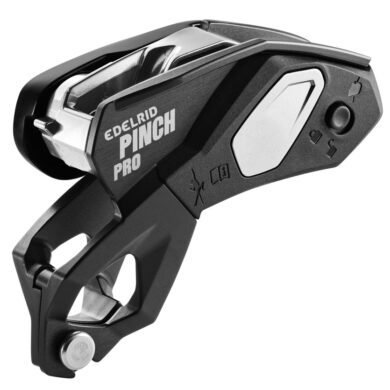
Edelrid Pinch Pro | Descender and positioning device
€ 100,00 Ex VAT -

Edelrid Safe Descent 9,8mm | Descent & Rescue device
Price range: € 825,00 through € 1.274,00 Ex VAT Select options This product has multiple variants. The options may be chosen on the product page -
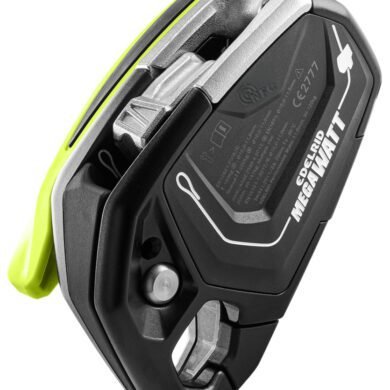
Edelrid MEGAWATT Descender
€ 146,00 Ex VAT -
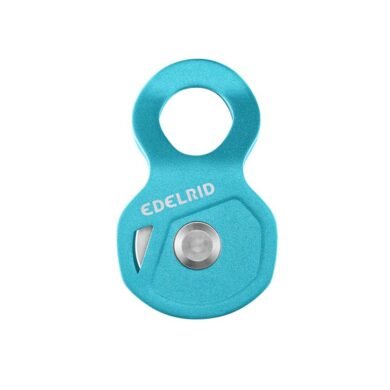
Edelrid Flux Pulley | 26 kN High Efficiency Ball Bearing
€ 25,00 Ex VAT -
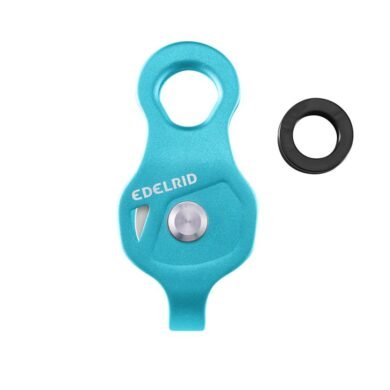
EDELRID Neelix Compact High-Efficiency Pulley
€ 34,00 Ex VAT -
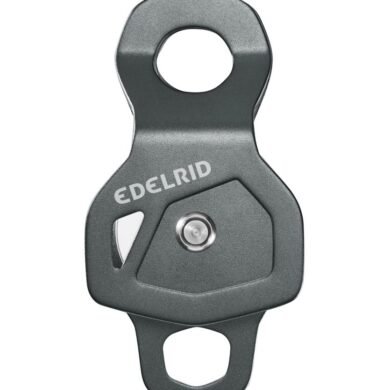
Edelrid Pike Rescue Double Pulley | 46 kN High-Efficiency
€ 73,00 Ex VAT -
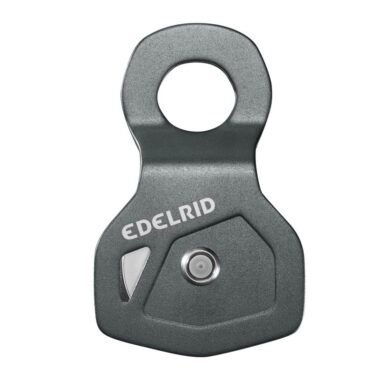
EDELRID Pike Rescue High-Load Professional Pulley
€ 50,00 Ex VAT -
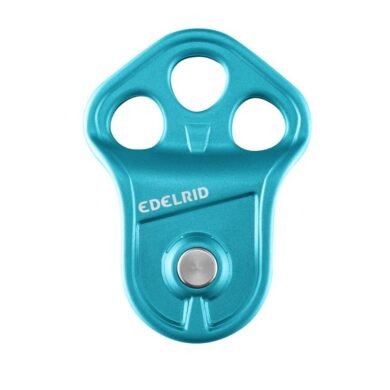
Edelrid Puck Pulley – 40kN Tree Care & Rigging Pulley
€ 50,00 Ex VAT -
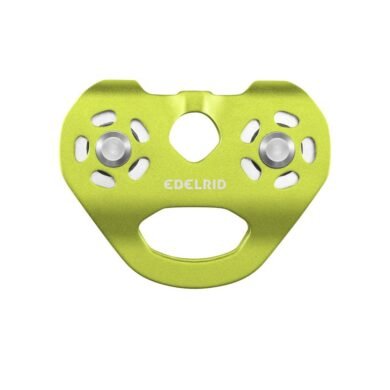
Edelrid WARP Pulley
€ 58,00 Ex VAT -
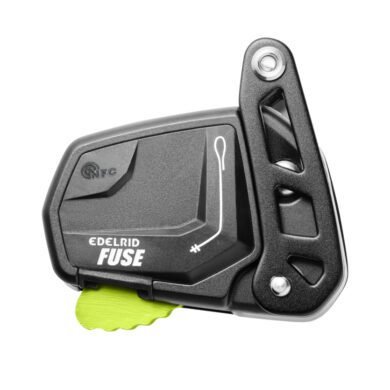
Edelrid FUSE Fall-Arrester
€ 161,00 Ex VAT -
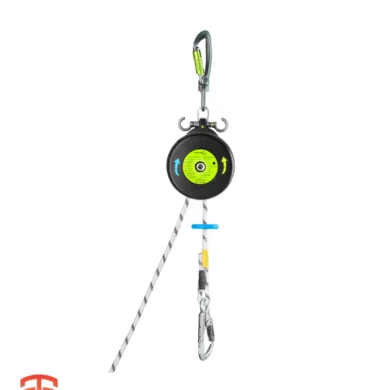
Edelrid Safe Descent Pro | Descent & Rescue device
Price range: € 1.230,00 through € 1.777,00 Ex VAT Select options This product has multiple variants. The options may be chosen on the product page -

Edelrid KAA Rescue Haul System
Price range: € 142,00 through € 169,00 Ex VAT Select options This product has multiple variants. The options may be chosen on the product page
Showing 1–12 of 19 results
Categories
-

Zipline Safety Solutions (34)
-

Ropes Course Belay Systems (36)
-

Auto Belay Systems for Climbing Walls (18)
-

Free Fall Devices (11)
-

Adventure & Ropes Course Equipment (19)
-

Professional Equipment (33)
-

Sports Climbing Equipment (37)
-

Harnesses (16)
-

Helmets (8)
-

Lanyards & Slings (25)
-
Carabiners & Connectors (66)
-
Ropes (20)
-
Bags (10)
-
Spare Parts & Accessories (27)
-

Services (10)
We Recommend
-

LockD Clips Swivel | Continuous Self-Belay
€ 389,00 Ex VAT -
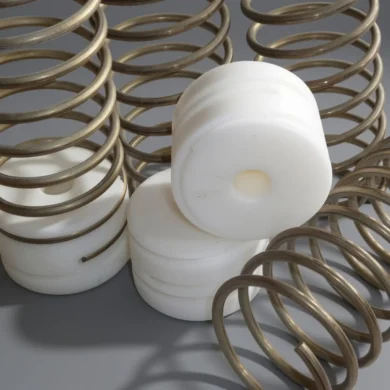
Zipline Spring Brake | Primary or Emergency Brake (EAD)
€ 90,00 Ex VAT -
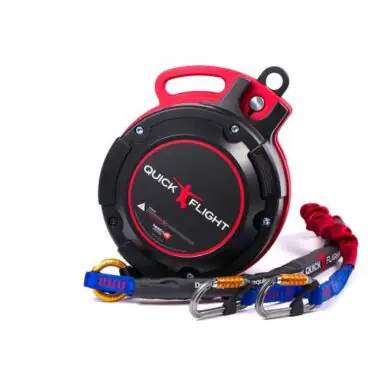
QuickFlight Free Fall Device | High-Throughput Thrill
Sale! Price range: € 4.036,00 through € 4.321,00 Ex VAT Select options This product has multiple variants. The options may be chosen on the product page -
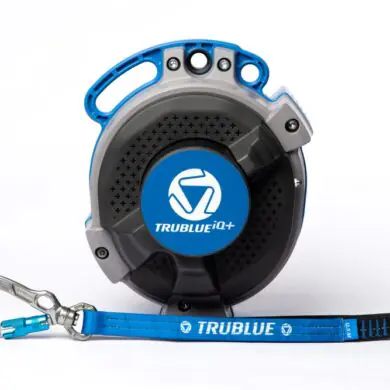
TRUBLUE iQ Auto Belay – Magnetic Auto Belay System for Climbing Walls
Sale! Price range: € 2.845,00 through € 3.465,00 Ex VAT Select options This product has multiple variants. The options may be chosen on the product page
Best Sellers
-
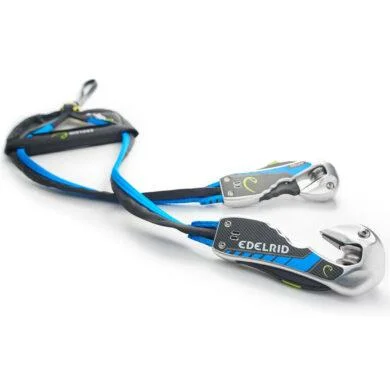
Edelrid Smart Belay X | Intelligent Smart Belay System
Price range: € 476,00 through € 549,00 Ex VAT Select options This product has multiple variants. The options may be chosen on the product page -
Zipline Spring Brake | Primary or Emergency Brake (EAD)
€ 90,00 Ex VAT -
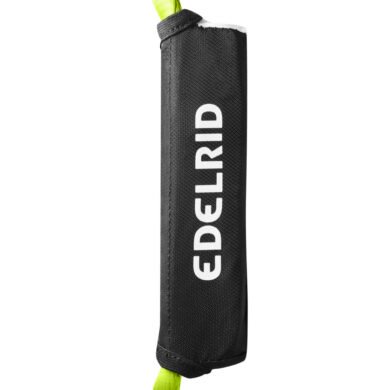
Edelrid Shockstop Pro 140
€ 41,00 Ex VAT -

LightSpeed Impact Zip Line Trolley
Sale! Price range: € 189,00 through € 369,00 Ex VAT Select options This product has multiple variants. The options may be chosen on the product page