Carabiners & Connectors
Screw-lock, auto-lock and steel carabiners, screw links, swivels and rings for ropes courses, work at height and climbing.
Carabiners connect harness, lanyard, pulley and anchor on ropes courses, zip lines, climbing walls and in work at height. This category covers aluminium and steel carabiners with screw, twist and triple-lock gates, plus screw links (quick links) for semi-permanent connections.
Locking connectors to EN 362 are PPE against falls from a height; the class shows the intended use: B (basic), M (multi-use), T (terminal), A (anchor) and Q (screw link). Non-locking climbing carabiners certified only to EN 12275 are meant for quickdraws and gear in climbing gyms – do not use them on lifelines, lanyards or for work at height. Use the filters below to narrow down by type, locking system, material, strength and application.
How to choose a carabiner
- Standard: EN 362 covers connectors for PPE against falls from a height; EN 12275 covers mountaineering connectors. Many models carry both.
- Gate: a screw gate for connections that are rarely opened; a twist or triple-lock (auto-locking) gate where guests or staff open the carabiner often.
- Strength: compare the major axis, minor axis and gate-open values in kN – typically 25 kN on the major axis for aluminium and 30–55 kN for steel.
- Material: aluminium is light; steel resists wear from steel cables and trolleys; Bulletproof models combine an aluminium body with a steel insert where the rope runs.
Popular choices: the Edelrid HMS Bulletproof Triple (25 kN, EN 362 and EN 12275), the Edelrid Oval Power Steel Triple (30 kN, EN 362) and the 10 mm oval screw link (55 kN).
Frequently asked questions
Screw gate or auto-locking carabiner?
Choose auto-locking (twist or triple lock) where a carabiner is opened and closed many times a day, such as on guest lanyards. A screw gate suits fixed connections that are only opened for inspection or maintenance.
When should I use a steel carabiner?
Where the carabiner runs on or touches steel cable, pulleys or trolleys. Steel wears much more slowly than aluminium and is stronger, but heavier.
When must a carabiner be replaced?
After a severe fall or impact, when the gate no longer closes and locks by itself, or when it shows cracks, sharp edges, corrosion or wear grooves beyond the limit given by the manufacturer.
What does EN 362 class M mean?
Class M (multi-use) connectors may be loaded along both the major and the minor axis. That makes them suitable for permanent connections at a harness attachment point, where the direction of load can change.
Why use a swivel carabiner?
A swivel lets the connected device rotate freely. This prevents twisted lanyards and ropes and reduces cross-loading, for example between a harness and a pulley or descender.
Showing 1–12 of 62 results
-
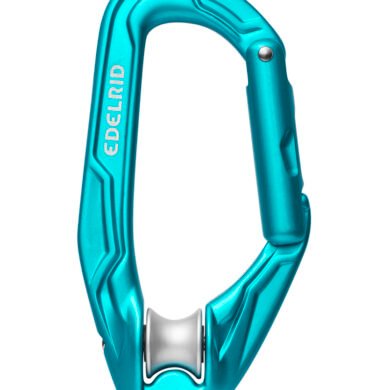
Edelrid Axiom | Carabiner with pulley
€ 28,00 Ex VAT -

Edelrid Bulletproof Screw | Offset D carabiner with steel insert, screw lock
€ 17,00 Ex VAT Select options This product has multiple variants. The options may be chosen on the product page -
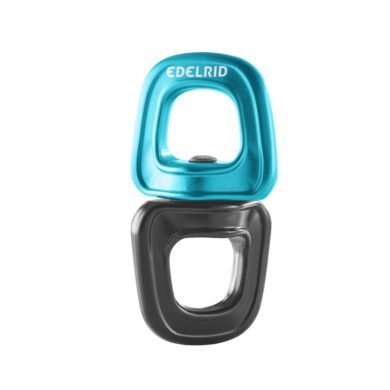
Edelrid Cupid Swivel Mini | Compact ball-bearing swivel
€ 46,00 Ex VAT -
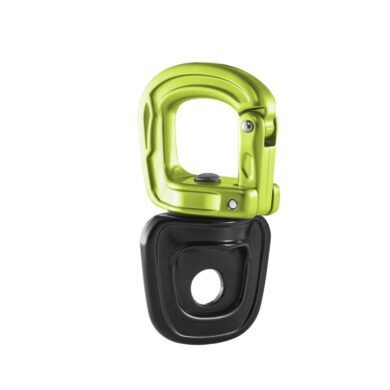
Edelrid Cupid Swivel Mix | Ball-bearing swivel, closed and openable eye
€ 58,00 Ex VAT -
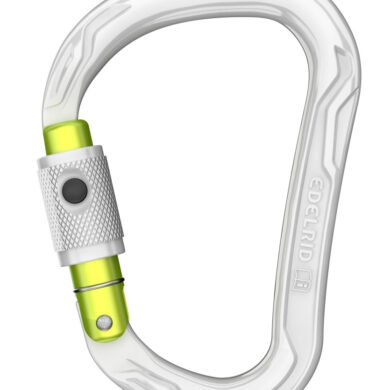
Edelrid HMS Big Bo PermaLock | Large HMS carabiner, PermaLock
€ 23,00 Ex VAT Select options This product has multiple variants. The options may be chosen on the product page -

Edelrid HMS Big Bo Screw | Large HMS carabiner, screw lock
€ 15,00 Ex VAT Select options This product has multiple variants. The options may be chosen on the product page -
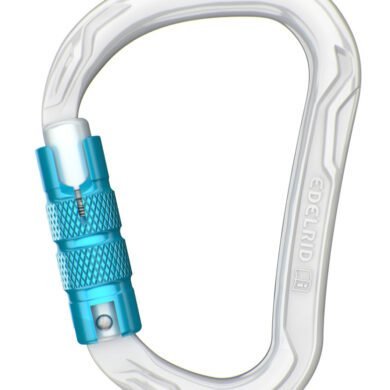
Edelrid HMS Big Bo Triple | Large HMS carabiner, triple lock
€ 21,00 Ex VAT Select options This product has multiple variants. The options may be chosen on the product page -

Edelrid HMS Bullet Screw RFID | HMS carabiner with RFID chip, screw lock
€ 20,00 Ex VAT -
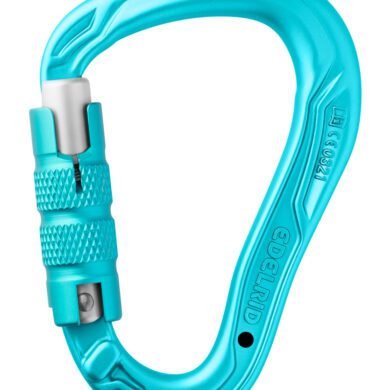
Edelrid HMS Bullet Triple RFID | HMS carabiner with RFID chip, triple lock
€ 24,00 Ex VAT -

Edelrid Kiwi Screw | Oval carabiner, screw lock
€ 13,00 Ex VAT -
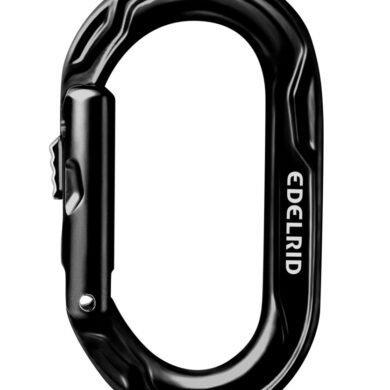
Edelrid Kiwi Slider | Oval carabiner, slider
€ 17,00 Ex VAT Select options This product has multiple variants. The options may be chosen on the product page -
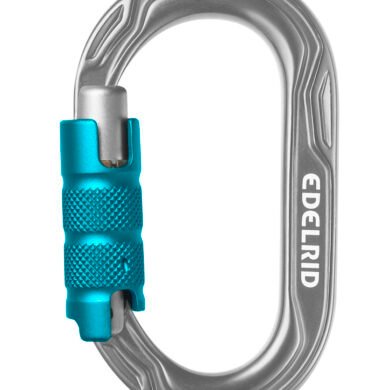
Edelrid Kiwi Triple | Oval carabiner, triple lock
€ 18,00 Ex VAT Select options This product has multiple variants. The options may be chosen on the product page
Showing 1–12 of 62 results
Categories
-

Zipline Safety Solutions (34)
-

Auto Belay Systems for Climbing Walls (18)
-

Free Fall Devices (11)
-

Ropes Course Belay Systems (36)
-

Adventure & Ropes Course Equipment (63)
-

Carabiners & Connectors (62)
-

Ropes (21)
-

Professional Equipment (69)
-

Services (10)
-

Sports Climbing Equipment (42)
-
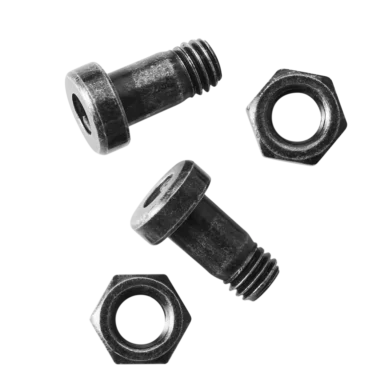
Spare Parts & Accessories (25)
We Recommend
-

LockD Clips Swivel | Continuous Self-Belay
€ 389,00 Ex VAT -
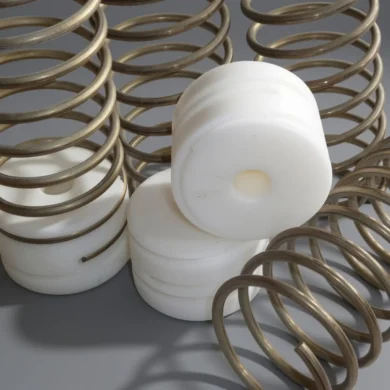
Zipline Spring Brake | Passive Emergency Arrest Device (EAD)
€ 90,00 Ex VAT -
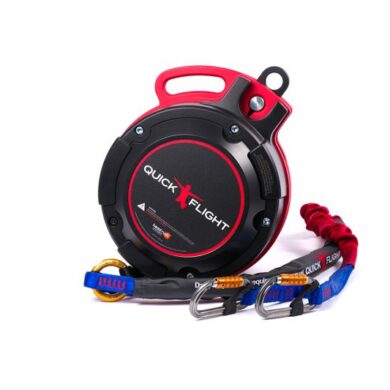
QuickFlight Free Fall Device | High-Throughput Thrill
Sale! Price range: € 4.036,00 through € 4.321,00 Ex VAT Select options This product has multiple variants. The options may be chosen on the product page -
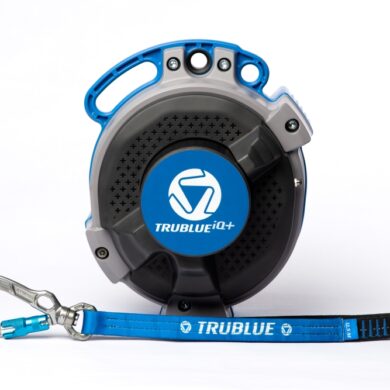
TRUBLUE iQ Auto Belay – Magnetic Auto Belay System for Climbing Walls
Sale! Price range: € 2.845,00 through € 3.465,00 Ex VAT Select options This product has multiple variants. The options may be chosen on the product page
Best Sellers
-
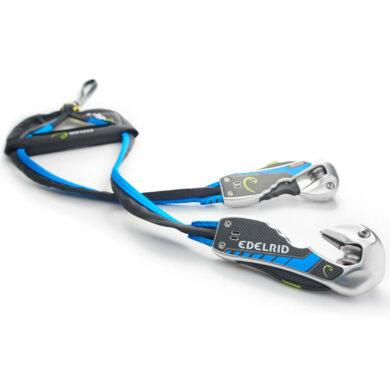
Edelrid Smart Belay X | Intelligent Smart Belay System
Price range: € 476,00 through € 549,00 Ex VAT Select options This product has multiple variants. The options may be chosen on the product page -
Zipline Spring Brake | Passive Emergency Arrest Device (EAD)
€ 90,00 Ex VAT -
Edelrid Shockstop Pro 140
€ 41,00 Ex VAT -
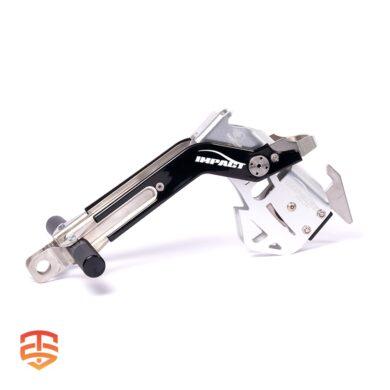
LightSpeed Impact Zip Line Trolley
Sale! Price range: € 189,00 through € 369,00 Ex VAT Select options This product has multiple variants. The options may be chosen on the product page