Executing a flawless ropes course safety inspection is the most critical step in protecting your guests and your bottom line. Regulatory compliance requires a deep understanding of structural testing and operational safety protocols. Mastering these standardized checks ensures your aerial adventure park remains a trusted destination for years to come.
The vital role of independent verification
True safety requires objective oversight from unbiased experts during a ropes course safety inspection.
Why do you need an independent ropes course safety inspection?
An independent ropes course safety inspection guarantees that no corners were cut during the build phase. You cannot rely on the original builders to grade their own work accurately. Bringing in an unbiased auditor provides a clear baseline for your operational safety.
Understanding Type A inspection bodies
These elite specialists handle your initial compliance audits with zero financial conflict of interest. They evaluate everything from heavy structural anchors to the specific belay mechanics your visitors use. This dual expertise ensures the physical build handles the dynamic stress of human participants.
What are the advantages of third-party compliance audits?
Utilizing neutral experts establishes unshakeable credibility for your recreational facility.
- Eliminates dangerous conflicts of interest during evaluations.
- Provides a holistic review of active zip lines and platforms.
- Acts as your primary defense during insurance negotiations.
Categorizing your facility for compliance
Applying the correct regulations starts with defining your specific attraction type before your ropes course safety inspection.
How does layout affect your ropes course safety inspection?
Your required ropes course safety inspection changes drastically whether guests use self-belay systems or rely on top-rope group security. Self-guided aerial parks demand rigorous mechanical checks on user-operated hardware. Top-rope setups shift the focus toward staff supervision and group management protocols.
How do adventure parks differ from public playgrounds?
Controlled access is the defining feature that separates professional adventure facilities from open playgrounds. Guests must face physical barriers or require specialized gear to access your high elements. Therefore, standard playground regulations simply do not apply to your specialized vertical structures.
What are the benefits of proper site classification?
Accurate classification streamlines your adventure park maintenance and legal obligations.
- Defines the precise staffing ratios you must maintain.
- Prevents wasted resources on irrelevant safety standards.
- Clarifies exactly which EN 15567 rules govern your site.
Mastering the standards and inspection cycles
Strict schedules and a recurring ropes course safety inspection keep your infrastructure secure and your business legal.
When should you schedule a ropes course safety inspection?
You must pass an initial ropes course safety inspection by an independent auditor before your grand opening. After that, annual acceptance testing becomes a mandatory requirement to maintain your operating license. Skipping these cycles exposes your business to massive liability and operational shutdowns.
What are the daily maintenance checks for aerial parks?
Your staff must perform a comprehensive visual check of all equipment before the first guest clips in. Finding frayed webbing or loose hardware early prevents minor issues from becoming catastrophic failures. Documenting these daily routines proves your commitment to ongoing operational safety.
Why are operational safety logs so critical?
Meticulous record-keeping is the backbone of your defense in any legal or insurance dispute.
- Proves that routine maintenance happens on schedule.
- Tracks the lifespan of heavily used safety gear.
- Satisfies auditors reviewing your EN 15567 compliance.
Operator responsibility and staff competence
Your internal team is the actual engine driving daily risk management ahead of any ropes course safety inspection.
Who is liable for passing a ropes course safety inspection?
The facility owner carries the ultimate legal burden for every ropes course safety inspection and daily protocol. You cannot transfer this liability to your seasonal instructors or third-party builders. Active management of your safety manuals and rescue plans is entirely your responsibility.
Why is site-specific training mandatory?
General outdoor experience does not translate to competent adventure park management. A certified mountain guide still needs specific training on your exact belay systems and evacuation routes. Your instructors must master the unique mechanics of your specific vertical environment.
What makes a highly competent park instructor?
Investing in dedicated staff development creates a proactive safety culture on your course.
- Deep knowledge of specific automatic belay systems.
- Ability to execute rapid rescues using dedicated hardware.
- Clear understanding of daily visual equipment checks.
Navigating EN 15567 standards
These specific industry rules dictate the structural and operational integrity evaluated during a ropes course safety inspection.
How does EN 15567 impact your ropes course safety inspection?
A professional ropes course safety inspection strictly evaluates your facility against both halves of the EN 15567 standard. Part one focuses entirely on the engineering, cable tension, and structural materials. Part two scrutinizes your management plans, emergency procedures, and staff training logs.
Why do operational failures cause the most accidents?
Most modern climbing structures are over-engineered, meaning human error is the usual culprit in emergencies. Poor participant briefings or lax supervision frequently lead to preventable falls. Auditing your operational documents is just as vital as checking your steel cables.
How can you streamline your compliance audits?
Organizing your documentation in advance makes annual acceptance testing highly efficient.
- Keep all daily maintenance logs in one accessible binder.
- Update your site-specific rescue plans before the auditor arrives.
- Maintain clear records of all staff training and certifications.
Upgrading your adventure park maintenance strategy
Preventive care dramatically extends the life of your expensive hardware and ensures a smooth ropes course safety inspection.
How do routine checks improve a ropes course safety inspection?
Consistently replacing worn components guarantees you will breeze through your annual ropes course safety inspection. Waiting for an auditor to point out frayed lanyards means you are already operating unsafely. A proactive replacement schedule minimizes downtime and protects your brand reputation.
What is the true cost of neglected equipment?
Ignoring minor wear and tear inevitably leads to expensive emergency repairs and lost weekend revenue. A single broken zip line trolley can shut down your most profitable route for days. Strategic maintenance budgets actually save you significant capital over the long term.
What are the best practices for gear management?
Implementing strict tracking systems ensures flawless operational readiness at all times.
- Log the exact purchase and retirement dates of all harnesses.
- Store hardware in dry, temperature-controlled environments.
- Quarantine any damaged gear immediately to prevent accidental use.
Preparing for your annual compliance audit
Organization and foresight turn a stressful ropes course safety inspection into a simple validation of your hard work.
How should you prepare for a ropes course safety inspection?
Thorough preparation for your ropes course safety inspection begins months before the auditor steps on your property. You must review all incident reports, near-miss logs, and corrective actions taken over the past year. Presenting a highly organized safety portfolio demonstrates your absolute commitment to risk management.
What happens if you fail structural testing?
Failing a major structural test results in an immediate operational shutdown of the affected elements. You must hire specialized contractors to replace compromised cables or failing anchors before reopening. The independent body will then return to verify that all corrections meet strict engineering thresholds.
What documents are required for auditors?
Maintaining flawless paperwork proves that your daily safety routines are actually happening.
- Manufacturer manuals for all belay devices and harnesses.
- Signed participant agreements and risk acknowledgments.
- Detailed rescue plans tailored to your specific tree layouts.
The business value of unshakeable safety
Exceptional risk management and a flawless ropes course safety inspection directly fuel your marketing and profitability.
Does a ropes course safety inspection boost revenue?
Advertising your successful ropes course safety inspection builds massive trust with schools, corporate groups, and parents. Guests actively seek out facilities that clearly prioritize their physical well-being over cutting corners. This visible commitment to excellence allows you to command premium ticket prices.
How does safety culture reduce insurance premiums?
Providers offer significantly better rates to operators who prove their proactive risk mitigation strategies. A pristine audit record shows actuaries that your facility is a low-risk investment. Those reduced overhead costs directly increase your end-of-year profit margins.
Why is continuous improvement essential?
Evolving your protocols ensures you stay ahead of shifting industry regulations and new technologies.
- Upgrading to magnetic braking systems reduces human error.
- Attending industry seminars keeps your management team sharp.
- Reviewing near-miss data helps you redesign tricky course sections.
Maintaining a rigorous ropes course safety inspection schedule is the absolute foundation of a thriving, profitable adventure park. By embracing independent audits and empowering your staff through targeted training, you eliminate preventable hazards. Commit to these unwavering safety standards to guarantee your guests experience the thrill of a lifetime without ever compromising their security.
Frequent asked questions
What is the difference between Type A, B, and C inspection bodies?
Type A bodies are completely independent entities with zero financial ties to the design or construction of your facility. Type B and C bodies have varying levels of connection to the operator but maintain strict internal separations of duty. Using a Type A auditor for your initial ropes course safety inspection ensures total impartiality.
How often does a ropes course need a formal inspection?
Facilities require a massive, formal ropes course safety inspection by an accredited external body once every single year. However, you are still legally obligated to conduct daily visual checks and periodic operational audits every few months. This multi-layered approach guarantees that minor wear never escalates into a major hazard.
Can a certified mountain guide automatically work as a ropes course instructor?
No, alpine certifications do not automatically qualify someone to manage a commercial aerial adventure park. These guides still require site-specific operational training to understand your unique hardware and emergency descent protocols. Safe operations demand expertise tailored exactly to your specific infrastructure.
Does the playground standard EN 1176 apply to adventure parks?
Professional adventure facilities do not fall under playground standards because they utilize restricted access and specialized gear. Commercial climbing environments are governed by EN 15567, which outlines much stricter engineering and supervision rules. If your site requires harnesses and staff instruction, playground rules are entirely irrelevant.
Why can’t the construction company perform the initial safety inspection?
Allowing the original builders to grade their own work creates a massive conflict of interest that jeopardizes public safety. Independent verification proves that no corners were cut to save money during the construction phase. This separation of duties is legally required to establish a valid baseline for your operations.
Gearing Up for Success: Expert Insights on the Adventure Business
The adventure business is booming, offering thrilling experiences and fostering a love for the outdoors. But navigating this exciting industry requires knowledge and expertise. To delve deeper and gain valuable insights from seasoned professionals, explore our additional resources below…
- How to startup a Successful Zip Line Business
- Implementing a Safety and Quality Management System
- ROI at Climbing Walls and Family Entertainment Centers
- Using Technology to Make Your Climbing Gym Accessible and Inclusive
- The Secret to Better Resource Management and Customer Satisfaction
- Every modern climbing gym should have these 5 features
- Considerations when designing ropes courses and adventure parks
- Leading the Way in profitable and safe climbing
- Increase Revenue and Customer Satisfaction for Family Entertainment Centers
- Creating Value for Customers by Using an Auto Belay
- Adventure parks’ logistics essential to customer satisfaction, TO, and ROI.
- Drive Revenue and Customer Satisfaction with Auto Belays
- Considering operating and investing in a zipline?
- Competitive Advantage of an Auto Belay
- Why using Auto Belays Boosts your Business
- ROI at Climbing Walls and Family Entertainment Centers
- Everything You Need to Know about Buying Auto Belays
-
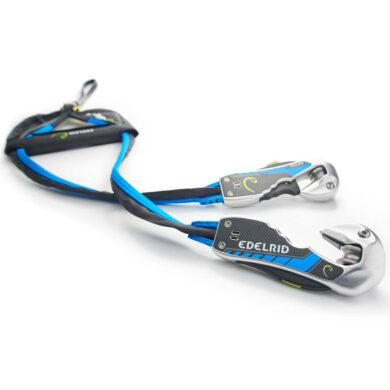
 Edelrid Smart Belay X | Intelligent Smart Belay SystemPrice range: € 544,00 through € 623,00 Ex VAT
 -
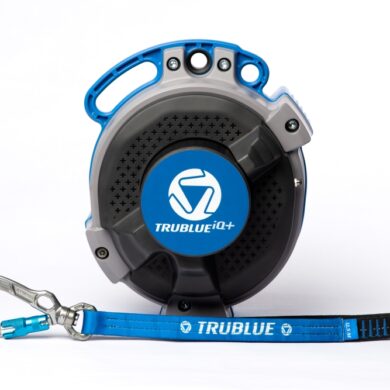
Product on saleTRUBLUE iQ Auto Belay | Intelligent Magnetic Descent SystemPrice range: € 2.845,00 through € 3.465,00 Ex VAT
-
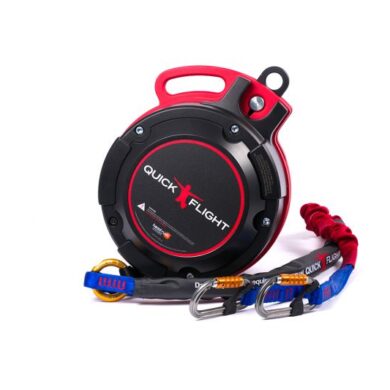
Product on saleQuickFlight Free Fall Device | High-Throughput ThrillPrice range: € 4.036,00 through € 4.321,00 Ex VAT