Posted on — Leave a comment

Rescue kits for adventure parks: Safe Descent or Megawatt rescue set

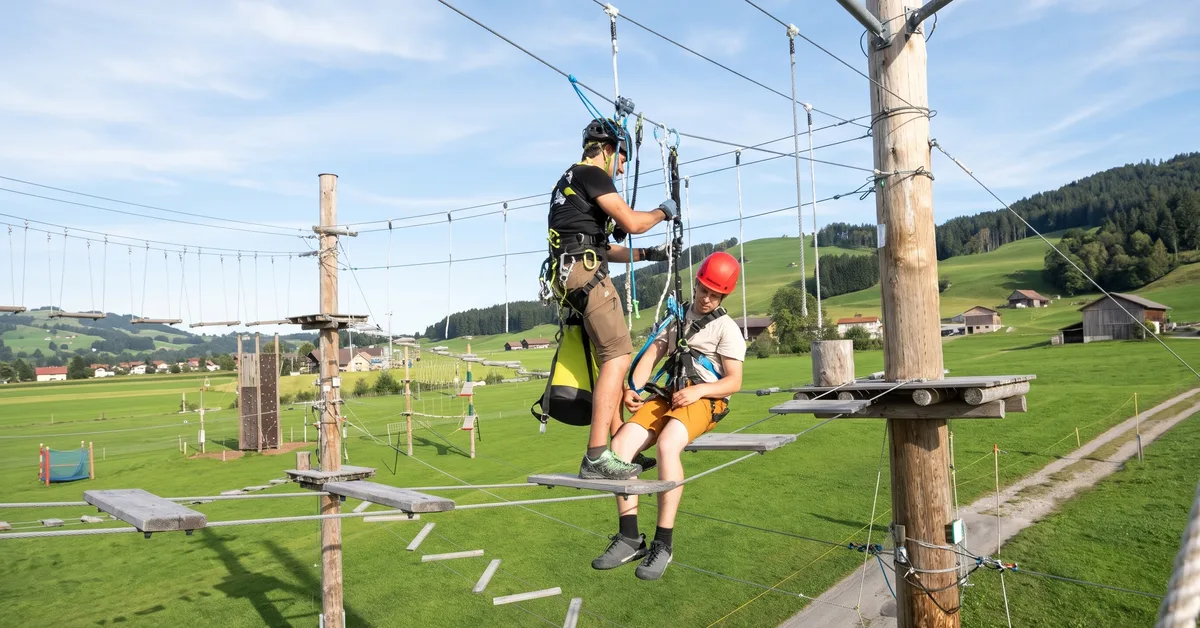
Megawatt rescue kit – rescuer lowering a guest from a ropes course element in an adventure park

Every adventure park needs a fast, practised way to bring a guest down from any element. This article explains what a complete rescue kit contains and how to choose between our two kits: the Safe Descent Rescue Kit as the standard for parks, and the Megawatt Rescue Kit for experienced rescuers.

Continue reading Rescue kits for adventure parks: Safe Descent or Megawatt rescue set
Posted on — Leave a comment

Rope Rescue Equipment for Mountain Rescue Teams: A Buyer’s Guide

Struggling with industrial rescues? Discover user-friendly rescue lifting devices for warehouses & wind turbines. Easy operation, automatic descent - ensure worker safety in unique situations.

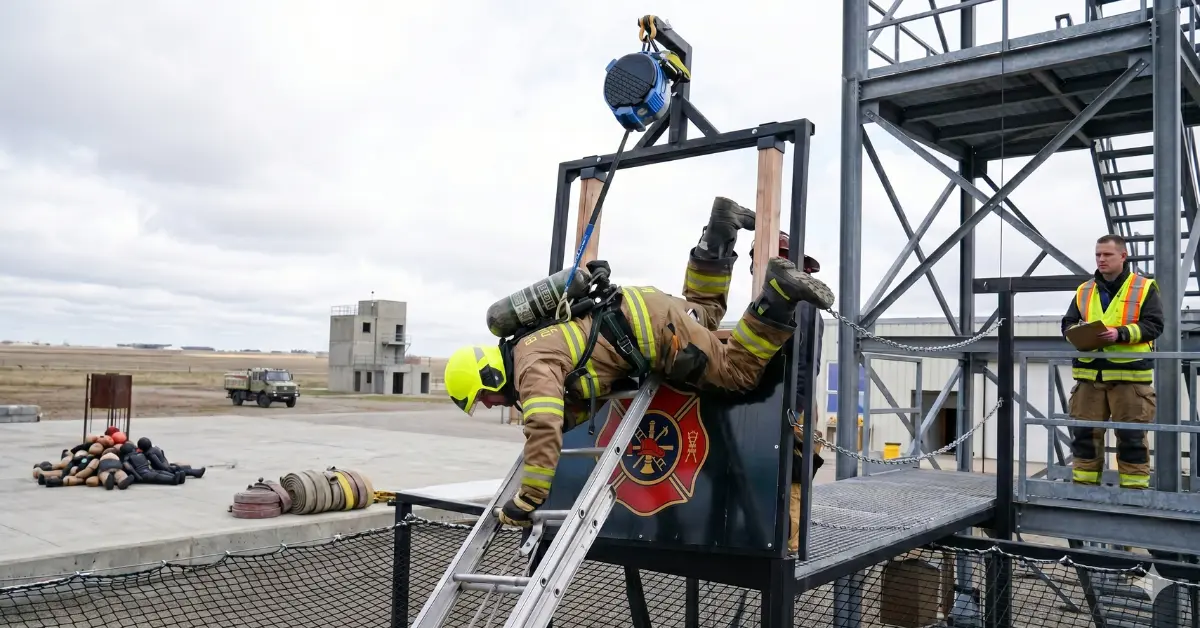
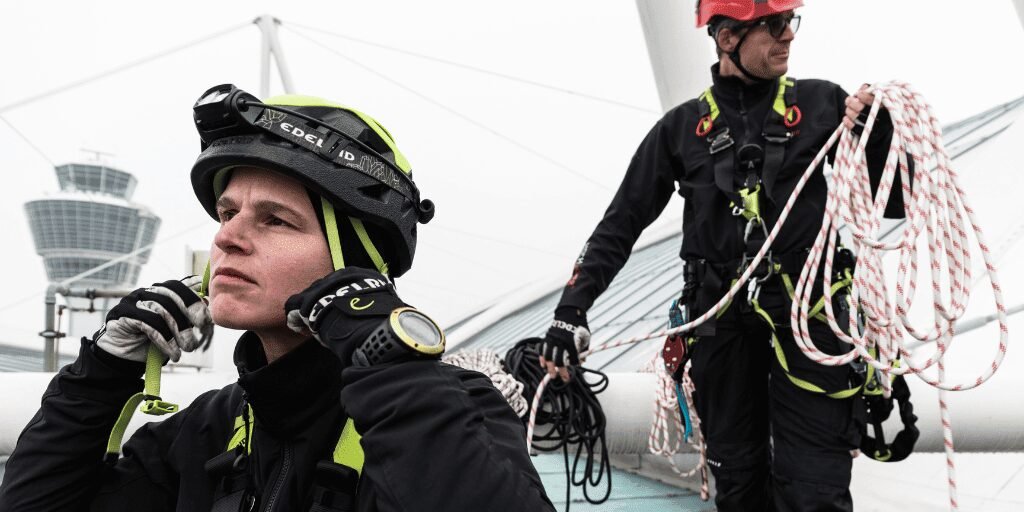
When a rescuer or a casualty hangs on a rope, the equipment has to work the first time, under load, in the hands of whoever is on shift. Mountain rescue teams, fire brigade height rescue units and adventure park rescue teams ask the same three things of a rope system: reliability under load, speed of set-up, and devices that every team member operates the same way.

Continue reading Rope Rescue Equipment for Mountain Rescue Teams: A Buyer’s Guide
Posted on — Leave a comment

Climbing Gym Technology: What Operators Need in 2027

Concerned about webbing slack? Learn how the auto belay retraction system works and how to prevent issues through proper maintenance and inspection.

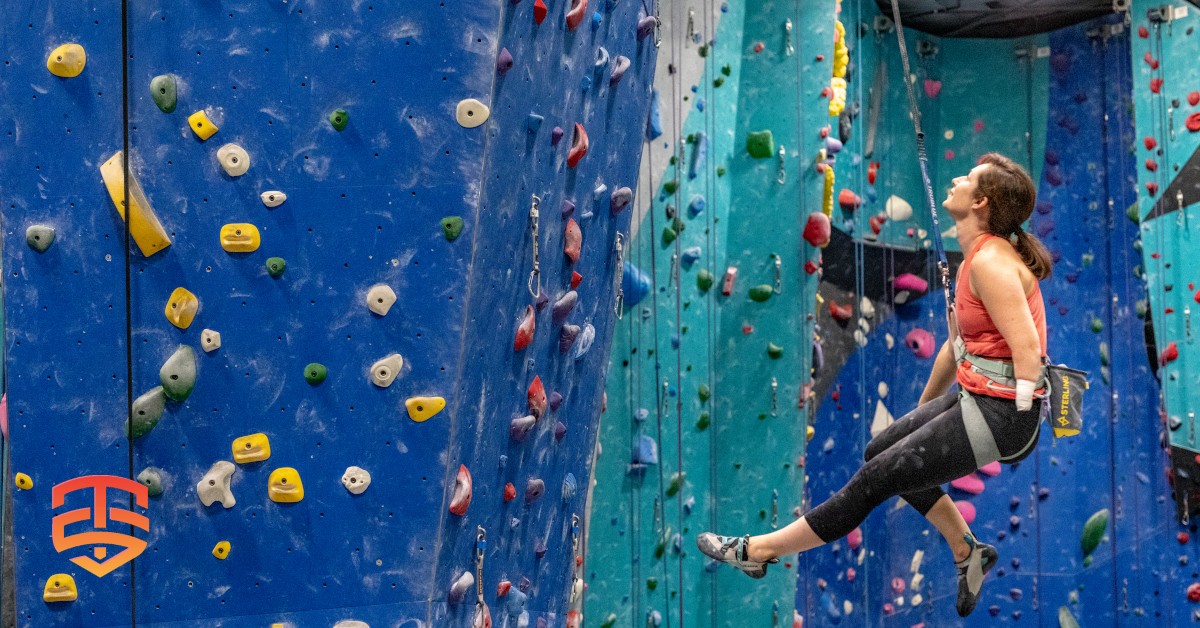
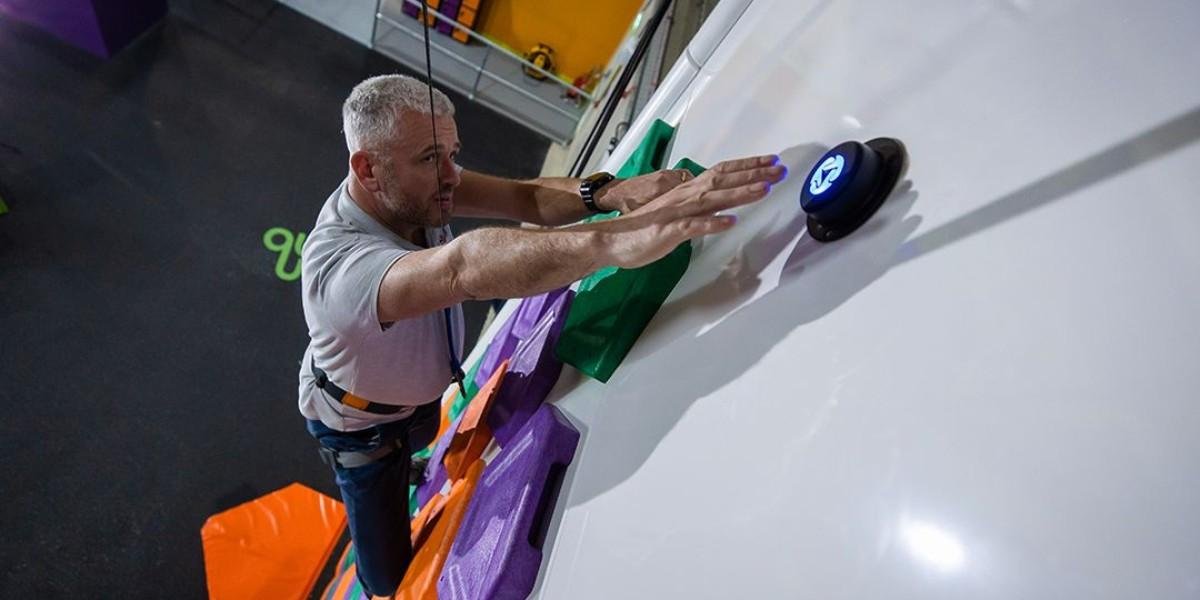
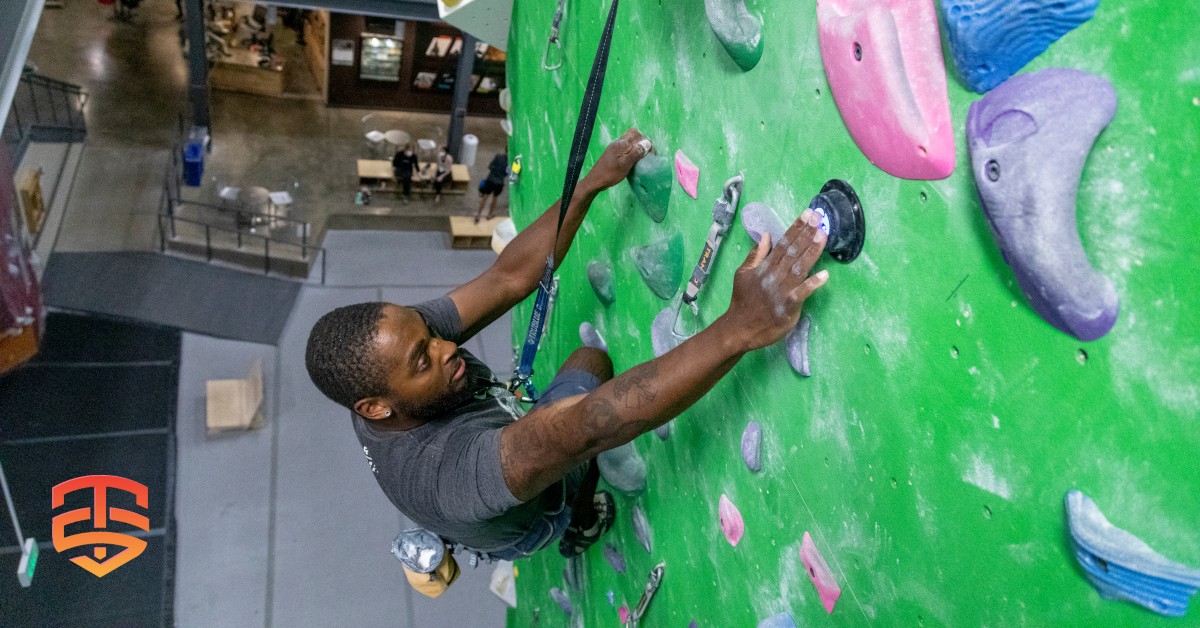
In a climbing gym, technology decides how many climbers one member of staff can serve safely. Every rope that needs a belayer ties up a person; every device that works without one frees capacity. This guide looks at climbing gym technology the way an operator has to: what each piece does for safety, staffing and throughput, and what it takes to keep it running.

Continue reading Climbing Gym Technology: What Operators Need in 2027
Posted on

Ropes Course Belay Systems Compared: Costs and Selection Guide

Don't risk liability. meaningful ropes course safety inspection requires independent experts. Learn the difference between Type A, B, and C bodies now.

Choosing a belay system decides how many participants a ropes course handles per hour, how many staff it needs and how much the installation costs. This guide compares four systems sold by Thrill Syndicate: Saferoller Trolley V3, Speedrunner Kanhook Ultimate, LockD Clips Swivel and Edelrid Smart Belay X. It covers how each works, where it fits and current list prices.

All prices are Thrill Syndicate list prices excluding VAT, November 2026. For a broader comparison of the two approaches, read smart belay vs continuous belay.

Continue reading Ropes Course Belay Systems Compared: Costs and Selection Guide
Posted on

Free Fall Device Price Guide: QuickFlight and FlightLine Costs

A free fall jump is one of the cheapest headline attractions to add to an existing tower, but the device price is only part of the budget. Operators also pay for mounting hardware, replacement webbing and annual service. This guide sets out current list prices for QuickFlight, QuickFlight XL and FlightLine, so you can budget a free fall jump from start to finish.

All prices are Thrill Syndicate list prices excluding VAT, November 2026. Your final price depends on configuration, quantities and delivery country.

Continue reading Free Fall Device Price Guide: QuickFlight and FlightLine Costs
Posted on

zipSTOP vs zipSTOP IR vs zipSTOP SPEED: Zipline Brake Guide

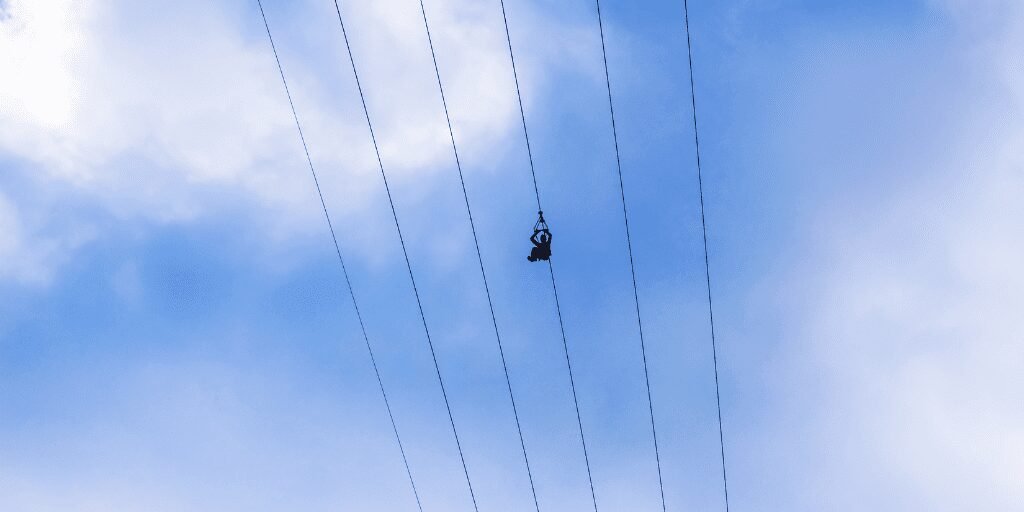
Choosing a zipline brake starts with one number: the rider’s arrival speed at the landing. zipSTOP, zipSTOP IR and zipSTOP SPEED all use eddy current magnetic braking for riders from 15 to 150 kg, but each covers a different speed range and installation set-up. This comparison helps you match the brake to your line and budget for it.

All prices are Thrill Syndicate list prices excluding VAT, November 2026. Your final price depends on configuration, quantities and delivery country.

Continue reading zipSTOP vs zipSTOP IR vs zipSTOP SPEED: Zipline Brake Guide
Posted on

Auto Belay Cost: TRUBLUE Price Guide for Climbing Walls

Want to improve your gym? Explore the auto belay benefits that make climbing accessible for beginners and help experienced members train harder.

Auto belay cost is more than the price of the device. Operators budgeting a climbing wall also pay for connectors, mounting hardware, belay gates and the annual service that keeps each lane certified. This guide sets out current list prices for TRUBLUE iQ, TRUBLUE iQ+ and TRUBLUE SPEED so you can budget a wall lane by lane.

All prices are Thrill Syndicate list prices excluding VAT, November 2026. Your final price depends on quantities, configuration and delivery country.

Continue reading Auto Belay Cost: TRUBLUE Price Guide for Climbing Walls
Posted on

Specifying TRUBLUE Auto Belay for Your Climbing Facility

The TRUBLUE iQ PLUS allows climbers of all ages and abilities to rest, project routes, and push their limits, even when they don’t have a partner.

Choosing an auto belay system isn’t just about picking a device. It’s about matching your facility’s operational reality—wall height, climber volume, safety protocols, and staffing model—to equipment that will perform reliably for years. The wrong choice creates bottlenecks, increases downtime, and erodes your margin. The right one becomes invisible: climbers clip in, climb, and descend without friction.

Continue reading Specifying TRUBLUE Auto Belay for Your Climbing Facility
Posted on

Controlled Descent Device vs SRL: How to Choose at Height

Worker lowered on a controlled descent device during work at height

At a glance, a controlled descent device and a self-retracting lifeline can look like the same piece of equipment: both hang overhead, both pay out and take up line. They are built for opposite jobs. One is designed to arrest a fall; the other is designed to lower a person under control. For anyone planning work at height, that difference is not academic — it shapes the rescue plan, the user’s experience, and whether the system you have specified actually matches the hazard in front of you.

Continue reading Controlled Descent Device vs SRL: How to Choose at Height
Posted on

Auto Belay Accidents: How Operators Prevent No-Clip Falls

TRUBLUE iQ Auto Belay for gym climbing, climbing training, speed climbing, challenge courses or any form of partnerless climbing

Auto belays let a climbing wall run more lanes with fewer staff, but they introduce a failure mode that conventional belaying does not: a climber can leave the ground without being attached to anything. These “no-clip” falls are uncommon on a per-session basis and entirely preventable, yet they account for the most serious auto belay incidents on record. For an operator, the question is not whether a climber will eventually forget — it is how many independent layers stand between that single lapse and an injury.

Continue reading Auto Belay Accidents: How Operators Prevent No-Clip Falls