
Choosing a zipline brake starts with one number: the rider’s arrival speed at the landing. zipSTOP, zipSTOP IR and zipSTOP SPEED all use eddy current magnetic braking for riders from 15 to 150 kg, but each covers a different speed range and installation set-up. This comparison helps you match the brake to your line and budget for it.
All prices are Thrill Syndicate list prices excluding VAT, November 2026. Your final price depends on configuration, quantities and delivery country.
zipSTOP vs zipSTOP IR vs zipSTOP SPEED at a glance
| Model | Arrival speed | Reduction | Rider weight | Price from (ex VAT) |
|---|---|---|---|---|
| zipSTOP | Up to 36 km/h (1:1); up to 60 km/h (2:1) | External 2:1 line above 36 km/h | 15–150 kg | €5.334 |
| zipSTOP IR | 24–60 km/h | Internal, no external lines | 15–150 kg | €5.742 |
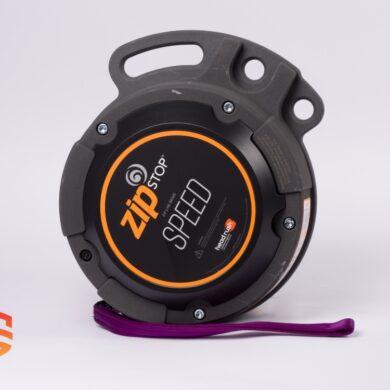
| zipSTOP SPEED | Up to 72 km/h | External 2:1 line required | 15–150 kg | €6.198 |
Which zipline brake fits your arrival speed?
zipSTOP: canopy tours and standard ziplines
The zipSTOP is the standard magnetic zipline brake for canopy tours and park ziplines. It handles arrival speeds up to 36 km/h at a 1:1 ratio, with a braking line extension of up to 12,5 m. With an external 2:1 reduction line, it covers up to 60 km/h. It lists ASTM F2959-18 among its certifications.
zipSTOP IR: mid- to high-speed lines without external reduction
The zipSTOP IR builds the reduction into the brake. It covers arrival speeds from 24 to 60 km/h without external reduction lines, which means fewer components to install and inspect. The braking line retracts after each rider dismounts, so the next rider can follow without staff resetting the brake.
zipSTOP SPEED: high-velocity ziplines
The zipSTOP SPEED is built for long, fast lines with arrival speeds up to 72 km/h. It must be installed with an external 2:1 reduction line assembly. With no brake pads, there is nothing to burn out or glaze, even at high cycle counts.
What do the brake options cost?
| Configuration | Price (ex VAT) |
|---|---|
| zipSTOP, no trolley | €5.334 |
| zipSTOP with 16 mm or 19 mm brake trolley | €5.438 |
| zipSTOP IR, no trolley | €5.742 |
| zipSTOP IR with trolley and catch accessory | €5.894 |
| zipSTOP SPEED, no trolley | €6.198 |
| zipSTOP SPEED with 16 mm or 19 mm brake trolley | €6.270 |
Select the brake trolley that matches your cable diameter. If you already run zipSTOP brake trolleys, order the brake without one.
What else should you budget for?
- Emergency arrest device: zipline spring brake system from €90, or the zipline airbag EAD at €2.500
- Replacement braking lines: zipSTOP replacement braking line €246; zipSTOP IR/SPEED and zipBACK line €318
- Installation: the zipSTOP Pivot Mount at €300 simplifies mounting the brake
- Return to the start: the zipBACK zipline retraction device at €1.699 brings trolleys back without a staff member walking them
- Annual service: zipSTOP annual service from €509
Magnetic brake vs spring brake: when is each the right choice?
A magnetic zipSTOP brake adjusts to each rider’s speed and weight, so light and heavy riders stop in a similar, controlled way and no staff are needed at the landing for braking. A spring brake is a lower-cost passive option, used as primary braking on slower lines or as the emergency arrest device behind a magnetic brake. For the technology behind both, read understanding zip line braking technologies.
Frequently asked questions
Which zipSTOP brake do I need?
Choose by arrival speed. The zipSTOP covers arrival speeds up to 36 km/h without reduction, or up to 60 km/h with an external 2:1 reduction line. The zipSTOP IR covers 24 to 60 km/h with internal reduction. The zipSTOP SPEED handles up to 72 km/h with an external 2:1 reduction line.
How much does a zipline brake cost?
A zipSTOP magnetic zipline brake starts at €5.334 ex VAT. The zipSTOP IR starts at €5.742 and the zipSTOP SPEED at €6.198. A brake trolley adds about €70 to €150, depending on model and cable size.
What is the difference between zipSTOP and zipSTOP IR?
The zipSTOP IR has internal reduction, so it does not need the external reduction lines the zipSTOP uses above 36 km/h. That simplifies installation and maintenance on mid- to high-speed lines.
Do I still need an emergency arrest device?
Yes. Plan an emergency arrest device (EAD) behind the primary brake. The zipline spring brake system and the zipline airbag EAD both serve as a backup if the primary brake does not stop the rider.
Does a zipSTOP brake need annual service?
Yes. Budget for annual inspection as part of the cost of ownership. The zipSTOP annual service starts at €509 ex VAT, and replacement braking lines are available separately.
Get a quote for your zipline
Send your line length, drop, expected arrival speed and cable diameter through the request a quote form. You get a brake recommendation and one quote for the brake, trolley, EAD and service. Compare all options in the zipline braking systems category.
The Hardware Behind a Safe, High-Volume Zipline Operation
The products below are used and specified in the techniques described above. Click any item to explore full specifications and request a quote.
How Automatic Reset Braking Keeps High-Volume Ziplines Running
Magnetic eddy-current braking with automatic reset — ideal for high-throughput commercial courses where minimising staff intervention between riders matters.
Why Modular Spring Braking Is the Operator’s Safety Baseline
The modular go-to for operators who need reliable primary and emergency arrest capability. Configurable to your specific rider weight range and arrival speed.
What It Takes to Safely Stop a Rider Arriving at 72 km/h
Engineered for mega-ziplines running at up to 72 km/h. The benchmark high-velocity arrest device for operators running the fastest commercial lines.
The Prone Position: How Superman Ziplines Demand Specialist Harnessing
The specialist prone harness for headfirst Superman configurations — redesigned for faster guest harnessing and a more comfortable ride position.
Trolley Longevity vs. Arrival Speed: Why You Don’t Have to Choose
Built to absorb the impact at landing without compromising speed on the line. The choice for courses where trolley longevity and smooth arrival are both non-negotiable.
Heavy Loads, Long Runs: Specifying Trolleys for Serious Commercial Operations
ISC’s large-capacity trolley for high-load commercial operations — built to the bearing quality and durability standards that serious operators expect.
Browse the full Zipline Safety Solutions range →
-
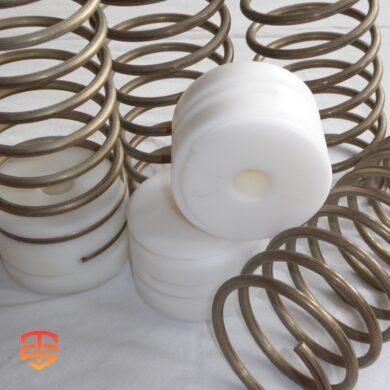 Zipline Spring Brake System | Primary & EAD Braking€ 90,00 Ex VAT
-
Product on sale
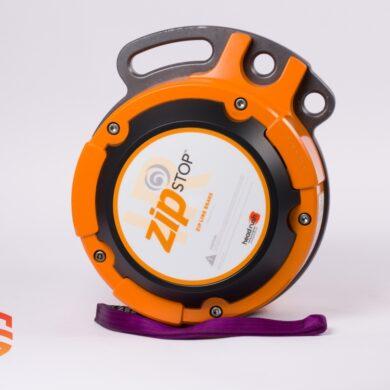 zipSTOP IR Zip Line Brake | Internal Reduction for High-Speed ArrivalPrice range: € 5.742,00 through € 5.894,00 Ex VAT
-
Product on sale
 zipSTOP SPEED | High-Velocity Magnetic Braking SystemPrice range: € 6.198,00 through € 6.455,00 Ex VAT