Posted on — Leave a comment

zipSTOP vs zipSTOP IR vs zipSTOP SPEED: Zipline Brake Guide

Choosing a zipline brake starts with one number: the rider’s arrival speed at the landing. zipSTOP, zipSTOP IR and zipSTOP SPEED all use eddy current magnetic braking for riders from 15 to 150 kg, but each covers a different speed range and installation set-up. This comparison helps you match the brake to your line and budget for it.

All prices are Thrill Syndicate list prices excluding VAT, November 2026. Your final price depends on configuration, quantities and delivery country.

zipSTOP vs zipSTOP IR vs zipSTOP SPEED at a glance

ModelArrival speedReductionRider weightPrice from (ex VAT)
zipSTOPUp to 36 km/h (1:1); up to 60 km/h (2:1)External 2:1 line above 36 km/h15โ€“150 kgโ‚ฌ5.334
zipSTOP IR24โ€“60 km/hInternal, no external lines15โ€“150 kgโ‚ฌ5.742
zipSTOP SPEEDUp to 72 km/hExternal 2:1 line required15โ€“150 kgโ‚ฌ6.198

Which zipline brake fits your arrival speed?

zipSTOP: canopy tours and standard ziplines

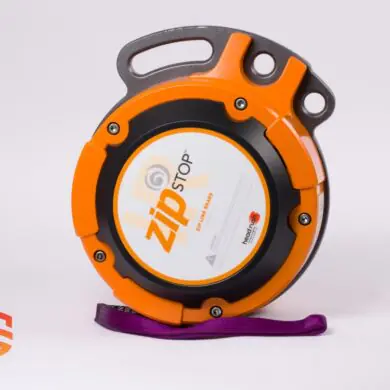
The zipSTOP is the standard magnetic zipline brake for canopy tours and park ziplines. It handles arrival speeds up to 36 km/h at a 1:1 ratio, with a braking line extension of up to 12,5 m. With an external 2:1 reduction line, it covers up to 60 km/h. It lists ASTM F2959-18 among its certifications.

zipSTOP IR: mid- to high-speed lines without external reduction

The zipSTOP IR builds the reduction into the brake. It covers arrival speeds from 24 to 60 km/h without external reduction lines, which means fewer components to install and inspect. The braking line retracts after each rider dismounts, so the next rider can follow without staff resetting the brake.

zipSTOP SPEED: high-velocity ziplines

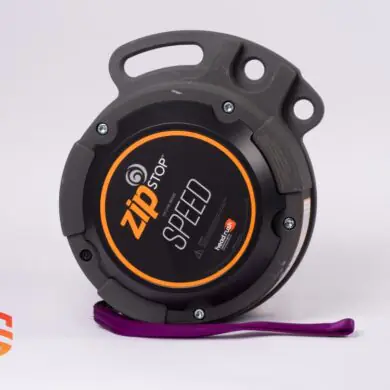
The zipSTOP SPEED is built for long, fast lines with arrival speeds up to 72 km/h. It must be installed with an external 2:1 reduction line assembly. With no brake pads, there is nothing to burn out or glaze, even at high cycle counts.

What do the brake options cost?

ConfigurationPrice (ex VAT)
zipSTOP, no trolleyโ‚ฌ5.334
zipSTOP with 16 mm or 19 mm brake trolleyโ‚ฌ5.438
zipSTOP IR, no trolleyโ‚ฌ5.742
zipSTOP IR with trolley and catch accessoryโ‚ฌ5.894
zipSTOP SPEED, no trolleyโ‚ฌ6.198
zipSTOP SPEED with 16 mm or 19 mm brake trolleyโ‚ฌ6.270

Select the brake trolley that matches your cable diameter. If you already run zipSTOP brake trolleys, order the brake without one.

What else should you budget for?

Magnetic brake vs spring brake: when is each the right choice?

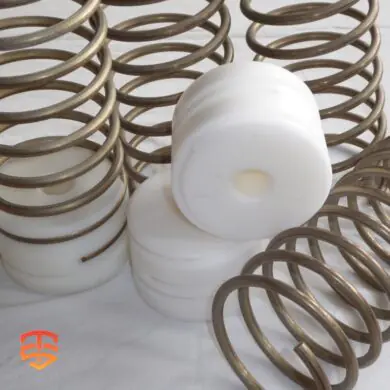
A magnetic zipSTOP brake adjusts to each rider’s speed and weight, so light and heavy riders stop in a similar, controlled way and no staff are needed at the landing for braking. A spring brake is a lower-cost passive option, used as primary braking on slower lines or as the emergency arrest device behind a magnetic brake. For the technology behind both, read understanding zip line braking technologies.

Frequently asked questions

Which zipSTOP brake do I need?

Choose by arrival speed. The zipSTOP covers arrival speeds up to 36 km/h without reduction, or up to 60 km/h with an external 2:1 reduction line. The zipSTOP IR covers 24 to 60 km/h with internal reduction. The zipSTOP SPEED handles up to 72 km/h with an external 2:1 reduction line.

How much does a zipline brake cost?

A zipSTOP magnetic zipline brake starts at โ‚ฌ5.334 ex VAT. The zipSTOP IR starts at โ‚ฌ5.742 and the zipSTOP SPEED at โ‚ฌ6.198. A brake trolley adds about โ‚ฌ70 to โ‚ฌ150, depending on model and cable size.

What is the difference between zipSTOP and zipSTOP IR?

The zipSTOP IR has internal reduction, so it does not need the external reduction lines the zipSTOP uses above 36 km/h. That simplifies installation and maintenance on mid- to high-speed lines.

Do I still need an emergency arrest device?

Yes. Plan an emergency arrest device (EAD) behind the primary brake. The zipline spring brake system and the zipline airbag EAD both serve as a backup if the primary brake does not stop the rider.

Does a zipSTOP brake need annual service?

Yes. Budget for annual inspection as part of the cost of ownership. The zipSTOP annual service starts at โ‚ฌ509 ex VAT, and replacement braking lines are available separately.

Get a quote for your zipline

Send your line length, drop, expected arrival speed and cable diameter through the request a quote form. You get a brake recommendation and one quote for the brake, trolley, EAD and service. Compare all options in the zipline braking systems category.

The Hardware Behind a Safe, High-Volume Zipline Operation

The products below are used and specified in the techniques described above. Click any item to explore full specifications and request a quote.


How Automatic Reset Braking Keeps High-Volume Ziplines Running

Magnetic eddy-current braking with automatic reset โ€” ideal for high-throughput commercial courses where minimising staff intervention between riders matters.


Why Modular Spring Braking Is the Operator’s Safety Baseline

The modular go-to for operators who need reliable primary and emergency arrest capability. Configurable to your specific rider weight range and arrival speed.


What It Takes to Safely Stop a Rider Arriving at 72 km/h

Engineered for mega-ziplines running at up to 72 km/h. The benchmark high-velocity arrest device for operators running the fastest commercial lines.


The Prone Position: How Superman Ziplines Demand Specialist Harnessing

The specialist prone harness for headfirst Superman configurations โ€” redesigned for faster guest harnessing and a more comfortable ride position.


Trolley Longevity vs. Arrival Speed: Why You Don’t Have to Choose

Built to absorb the impact at landing without compromising speed on the line. The choice for courses where trolley longevity and smooth arrival are both non-negotiable.


Heavy Loads, Long Runs: Specifying Trolleys for Serious Commercial Operations

ISC’s large-capacity trolley for high-load commercial operations โ€” built to the bearing quality and durability standards that serious operators expect.


Browse the full Zipline Safety Solutions range โ†’

Posted on

Scaling facility revenue utilizing autonomous zipline technology

Upgrading to autonomous zipline technology is the definitive way for modern commercial adventure parks to maximize operational throughput and visitor safety. By removing outdated manual retrieval processes, facility managers can instantly slash labor costs while keeping lines moving smoothly. Implementing this equipment transforms a standard attraction into a highly predictable, revenue-generating asset.

Continue reading Scaling facility revenue utilizing autonomous zipline technology
Posted on

Maximize throughput with advanced zipline safety solutions

Implementing reliable zipline safety solutions is the foundation of any highly successful and profitable adventure park operation. Our advanced systems replace outdated friction methods with self-regulating magnetic deceleration to dramatically reduce liability and staff workload. Park operators can now secure a seamless, high-throughput experience from dispatch to the landing zone.

Continue reading Maximize throughput with advanced zipline safety solutions
Posted on

Maximizing Zip Wire Park Revenue with a Speed-regulating zipline trolley

Improve guest safety and arrival consistency using a Speed-regulating zipline trolley. Find out why autonomous logistics are the future of adventure parks.

Zipline operators frequently face logistical hurdles involving manual gear retrieval and inconsistent arrival speeds. Moving equipment back to the launch point by hand is a labor-intensive process that creates bottlenecks and increases operating expenses. The development of a Speed-regulating zipline trolley addresses these challenges by integrating autonomous movement with intelligent energy management. This technology allows the device to control its own velocity during descent through friction while storing the generated energy to power its return journey. For a professional facility, this shift represents a move toward a more sustainable and efficient business model where throughput is maximized and manual retrieval is eliminated.

Continue reading Maximizing Zip Wire Park Revenue with a Speed-regulating zipline trolley
Posted on

Before You Build: Why a Zipline Feasibility Study Saves You Time and Money

You have the perfect location. A hillside with a stunning view, a valley ready to be crossed, or an open space in your adventure park just waiting for a new anchor attraction. The vision is clear: a thrilling, high-capacity zipline that draws crowds and boosts revenue. But between that vision and a grand opening lies a path filled with technical questions, engineering challenges, and significant financial risk. How do you know if the slope is right? Will riders arrive at the end platform safely and consistently? What forces will the anchors need to withstand? Answering these questions on a construction site is a recipe for budget overruns and delays. The smart move is to answer them first, with a comprehensive Zipline Feasibility Study. Itโ€™s the essential first step that transforms a great idea into a viable, data-backed project plan.

Continue reading Before You Build: Why a Zipline Feasibility Study Saves You Time and Money
Posted on

New Zippey Clipโ€™nโ€™Zip Trolley Accessories for Spring 2025

Enhance rider safety with our new Zippey Clipโ€™nโ€™Zip Trolley accessories. These durable guards prevent finger trapping and hand injuries. Retrofit today.

Spring 2025 ushers in an exciting update for the Zippey Clipโ€™nโ€™Zip Trolley and Anti-Rollback Cam (ARC) with the launch of three innovative safety accessories. Designed to enhance user protection and reduce the risk of finger trapping, these new additions are crafted from impact-modified nylon for maximum durability. Whether youโ€™re upgrading your existing fleet or purchasing new trolleys, these accessories offer a seamless way to improve safety and compliance.

Continue reading New Zippey Clipโ€™nโ€™Zip Trolley Accessories for Spring 2025
Posted on

The Future of Zip Lines: Safer, Faster, and More Thrilling with Magnetic Braking

Ensure Smooth and Safe Zip Line Rides: Learn about the importance of spring brakes and how they impact rider experience and throughput. Dive into our expert article for all the details. Read now!

For zipline operators, creating a faster and more thrilling ride without compromising safety is the ultimate goal. The zipSTOP magnetic zip line brake is a revolutionary system that makes this possible. Using patented, frictionless technology inspired by roller coasters, this brake provides a consistently smooth and soft stop for riders of all weights, in any weather condition. This low-maintenance design significantly reduces wear and tear, lowering your long-term operational costs. With features like automatic reset for higher throughput and hands-free braking to reduce human error, the zipSTOP magnetic zip line brake is a smart investment to enhance your course, boost your ROI, and deliver an unparalleled guest experience.

Continue reading The Future of Zip Lines: Safer, Faster, and More Thrilling with Magnetic Braking
Posted on

Trends in Commercial Ziplining

An operator's guide to modern zipline braking systems. Learn how automated brakes improve safety, streamline operations, and enhance the rider experience.

For zipline operators, the right braking technology is crucial for ensuring safety, maximizing throughput, and delivering an exceptional guest experience. This comprehensive guide explores the evolution of zipline braking systems, from the limitations of outdated gravity and hand brakes to the benefits of today’s advanced solutions. We compare the most common types, including highly reliable magnetic brakes, spring brakes used as Emergency Arrest Devices (EADs), and the gold standardโ€”fully automated systems. Learn how investing in modern zipline braking systems can reduce human error, perform reliably in all weather, and enhance your course’s safety and profitability.

Continue reading Trends in Commercial Ziplining
Posted on

The Ultimate Guide to Zipline Safety: Ensuring Thrills Without Spills

Riders getting stuck? Boost your zipline efficiency and throughput with modern magnetic braking systems. Learn how this tech reduces delays.

For zipline park operators, providing a thrilling adventure and ensuring guest well-being go hand-in-hand. This ultimate guide to zipline safety offers a comprehensive overview of the best practices for your operation. We go beyond the basics to cover every critical component, from the engineering and materials of the zipline itself to the rigorous safety standards and daily inspection rituals that form the backbone of a secure park. Learn about the importance of staff training, creating a strong safety culture, and leveraging technological innovations like magnetic braking systems. We also cover weather protocols, guest education, and emergency preparedness to help you manage risk.

Continue reading The Ultimate Guide to Zipline Safety: Ensuring Thrills Without Spills
Posted on

Zipline Design: A Journey of Precision and Safety

An operator's guide to professional zipline design. Learn how to balance thrill with safety, efficiency, and profitability for a successful ride.

A successful zipline attraction is built on a foundation of meticulous engineering and planning. This comprehensive guide to professional zipline design walks you through the critical factors for creating a safe, thrilling, and profitable ride. We cover the entire process, from initial structural force analysis and calculating rider velocities to selecting the correct cable specifications and tensions. Learn the importance of accounting for wind forces, implementing effective emergency arrest devices, and conducting a thorough throughput analysis to optimize rider flow. This guide provides the essential knowledge needed to navigate the complexities of zipline design and ensure a successful operation.

Continue reading Zipline Design: A Journey of Precision and Safety