There is no single best zipline trolley. The right one depends on five things: line length, gradient, rider weight range, the speed riders should travel at, and throughput. Short, even lines run well on a standard trolley. Long or steep lines with a wide spread of rider weights often need speed regulation on the line. Lines where trolleys must get back to the start without staff need a return system or a trolley that returns itself. This guide compares the trolley types in one table and ends with a checklist.
What is the best trolley for a zipline?
The best zipline trolley is the one that keeps every rider, from the lightest to the heaviest, inside the speed range your line and end brake are designed for, at the throughput you need. Decide on these points first:
- Line length and gradient: they set how fast riders get.
- Rider weight range: heavier riders go faster; a wide range means a wide spread in arrival speed.
- Speed on the line: some lines are meant to be fast, others need a controlled ride.
- Arrival speed at the end brake: it has to stay inside the brake’s working range for every rider.
- Throughput: riders per hour, dispatch interval and how trolleys return to the start.
Standard trolleys cover most lines. Speed-regulating (magnetic) trolleys help where the spread in arrival speed is too wide. Autonomous trolleys hold a set speed and return themselves. The sections below explain each type.
Zipline trolley types compared
| Type | Best for | Line profile | Speed control | End brake needed | Maintenance |
|---|---|---|---|---|---|
| Standard trolley | Most commercial and recreational lines | Arrival speeds of light and heavy riders both fit the end brake’s range | None: speed follows gradient, weight, posture, wind | Yes | Daily check of sheaves, bearings, side plates, connection points |
| Speed-regulating magnetic trolley | Long or steep lines, wide rider weight range | Spread in arrival speed too wide for a standard trolley | Passive: eddy-current braking rises with speed | Yes, always | Daily check; housing and magnets; sheaves as wear parts |
| Autonomous bi-directional trolley | Lines where the trolley must hold a set speed and return itself | Assessed per project | Active: holds a set maximum speed | Assessed per project | Per manufacturer, set in the project |
| Tandem or Superman configuration | Pairs side by side; head-first flying rides | Line designed for that load case | Depends on the trolley used | Yes | As for the trolley, plus the harness |
| Return or retrieval system | High throughput, no staff at the far end | Within the device’s length and extension limits | None (not a brake) | Yes | Daily check of webbing, nozzle, redirect parts |
Standard zipline trolleys
A standard trolley rolls on the cable on two or more sheaves (wheels), and the rider hangs from it with a primary and a secondary lanyard. It has no speed control of its own: rider speed follows the gradient, rider weight, body position, wind and whether the cable is wet or dry. That makes it simple, light and easy to inspect, and it is the right choice whenever the end brake can handle the arrival speed of both your lightest and your heaviest rider.
Models differ in weight, wheel size, bearings, the cable range they fit and how they behave in the brake zone. In the range: the LightSpeed Impact (designed for smooth impact braking with the zipSTOP, according to the manufacturer), the compact LightSpeed Micro, the LightSpeed EZ Clip with one-handed fitting, and the ISC trolleys Zippey Clip’n’Zip, ZipSpeed-S, ZipSpeed-L and ZipSpeed XTREME. For the ISC model choice, with weight, wheel diameter, breaking strength and cable diameter side by side, see the ISC zipline trolley comparison.
Useful additions: the ISC ARC anti-rollback cam stops a trolley from rolling back down the line, which shortens rescues, and trolleys that keep the rider’s weight forward in the brake zone reduce wear on sheaves and cable (see the overturning moment).
Speed-regulating magnetic trolleys (self-braking)
A speed-regulating or self-braking magnetic trolley carries magnets that create eddy currents as the trolley moves. The braking force rises with speed, so the trolley acts on the line itself, not only at the end. The control is passive: the result depends on the magnet setup, the rider weight (heavier riders go faster, so they are braked more) and the line profile. A magnetic trolley narrows the spread in arrival speed between riders, but it does not equalise it.
The braking energy becomes heat in the trolley housing. The cable is not a braking surface, so magnetic braking adds no extra wear on the line. A magnetic trolley never stops the rider and does not return itself to the start. It controls speed on the line; the end brake stops the rider at the platform, so it is always paired with an end brake. Why both are needed and how they work together is explained in Magnetic trolley vs. end brake.
One option is the MAG Brake Trolley: eddy-current magnetic braking, rated to 140 km/h, for riders from 25 to 125 kg on cables from 10 to 18 mm, with an aluminium body of up to 5,6 kg. It comes as a single, tandem or Superman version, with options for a zipSTOP catch plate, a camera mount and branding. The speed reduction is on request and depends on the zipline profile. Minimum order: 10 pieces. How to set one up for your line is covered in the configuration guide; the physics behind it in the science of eddy-current braking.
Autonomous bi-directional trolleys
An autonomous bi-directional trolley controls speed actively: it holds a set maximum speed, by mechanical speed reduction or by speed maintaining, and it returns itself to the start after the ride. That makes it a fit for lines where the ride speed has to be the same at every run, or where there are no staff or retrieval systems at the far end.
One example is ZipTronik, an autonomous bi-directional zipline trolley. It is a project sale with a technical assessment of the line, not a stock item: the line profile, the rider range and the operation are checked before a configuration is offered.
Tandem and Superman options
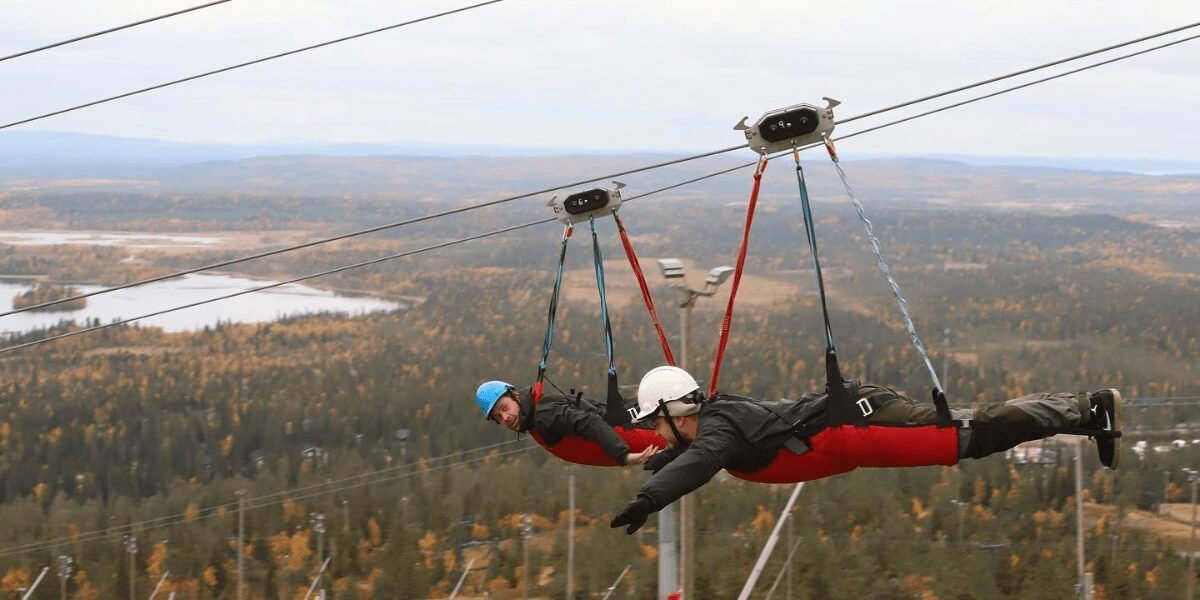
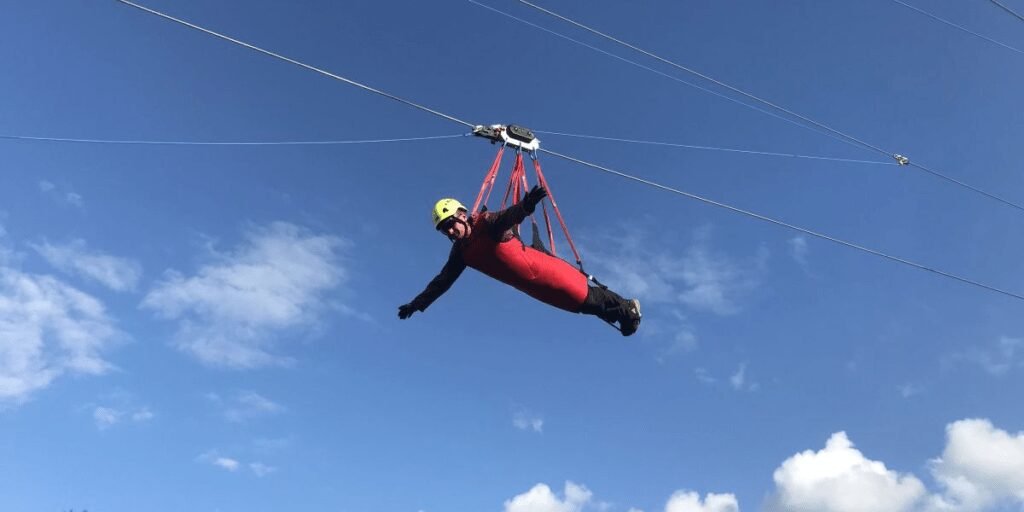
Tandem set-ups let two riders race or ride side by side. Superman rides put the rider head-first in a horizontal position and need a dedicated harness such as the Superman Zipline Harness. Both change the load on the trolley and the line, and both change the arrival speed. Use a trolley and harness made for that configuration, and have the line engineer check the design for it. The MAG Brake Trolley is available in single, tandem and Superman versions.
Return and retrieval systems
On a busy line the trolleys have to get back to the start. There are three ways: staff carry or send them back, a retrieval device pulls them back, or the trolley returns itself (autonomous trolleys). The zipBACK retraction device returns the trolley to the top of the line in a couple of seconds after the rider unclips, within its length and extension limits; installation and limits are explained in the zipBACK article. A retrieval device is not a brake: the line still needs its end brake.
How to choose a zipline trolley: checklist
- Line profile from your engineer: length, gradient, sag and cable tension.
- Lightest and heaviest rider you allow.
- Target speed on the line and maximum arrival speed at the end brake.
- Measured arrival speeds across the rider range, dry and wet, with a radar gun such as the Bushnell Velocity.
- Cable diameter, compared with the trolley’s rated range.
- Ride type: seated, tandem or Superman.
- End brake type and its working range.
- Harness and lanyard connection.
- Throughput: riders per hour, dispatch interval and how trolleys return.
- Inspection routine and spare parts.
Rule of thumb: if the spread in arrival speed between your lightest and heaviest rider is wider than the end brake’s working range, a speed-regulating trolley is worth a look. If every rider already arrives within range, a standard trolley keeps things simple. More on the factors that drive speed: zip line rider speed and arrival speed.
Compatibility: cable, harness and end brake
- Cable: each trolley fits a specified cable diameter range (on the product page; MAG Brake Trolley 10–18 mm). Sheaves must sit correctly on the cable you have.
- Harness and lanyards: connect the rider with a primary and a secondary lanyard. Lanyard kits exist for the ZipSpeed-L and the LightSpeed Impact; Superman rides need a Superman harness.
- End brake: the zipSTOP IR handles arrival speeds up to 60 km/h and the zipSTOP SPEED up to 72 km/h, according to the manufacturer. A zipline spring brake can serve as the primary brake or as an EAD once the braking system is engineered and tested for the installation. The landing is always designed for the worst-case arrival speed.
Comparing brake types in more detail: see the zip line brake buyer’s guide.
Inspection and wear
Check every trolley before opening: sheaves turn freely and show no flat spots or grooves, bearings run quietly, side plates, axles and fasteners are tight, connection points and lanyards are undamaged, and an anti-rollback cam (if fitted) works. On a magnetic trolley, also check that the housing is intact and free of debris. Record checks and arrival-speed measurements per trolley serial number in the logbook, replace wear parts at the manufacturer’s interval, and take a trolley out of service when in doubt. Book a yearly check of the whole line with Annual Zipline Inspections.
Request a quote
Send your line profile (length, gradient, cable diameter, rider weight range, target arrival speed and end brake) with your quote request, and the trolley options are matched to your line. Browse all zipline trolleys.
Frequently asked questions
What is the best trolley for a zipline?
There is no single best zipline trolley. The right trolley depends on line length, gradient, the rider weight range, the speed riders should travel at and the throughput the line has to reach. A standard trolley suits lines where the arrival speeds of the lightest and heaviest rider both stay inside the end brake’s working range. A speed-regulating magnetic trolley suits long or steep lines with a wide rider weight range. An autonomous bi-directional trolley suits lines where the trolley has to hold a set speed and return to the start on its own.
What is the difference between a magnetic trolley and a standard trolley?
A standard trolley only rolls: rider speed follows the gradient, rider weight, posture, wind and cable condition. A magnetic (self-braking) trolley adds eddy-current braking that rises with speed, so it slows fast riders more than slow riders. It narrows the spread in arrival speed between riders, but it does not equalise it and it does not stop the rider.
Do I need an end brake with a magnetic trolley?
Yes. A magnetic trolley controls speed on the line; the end brake stops the rider at the platform. A magnetic trolley is always paired with an end brake. The full explanation is in Magnetic trolley vs. end brake: do you need both?.
Does a magnetic zipline trolley make all riders arrive at the same speed?
No. The braking force rises with speed, so heavier riders, who go faster, are braked more. That narrows the difference in arrival speed between light and heavy riders, but the result still depends on the magnet setup, the rider weight and the line profile. The landing is always designed for the worst-case arrival speed.
Which zipline trolley returns to the start by itself?
An autonomous bi-directional trolley such as ZipTronik returns itself to the start. A magnetic trolley does not. On lines with standard or magnetic trolleys, a retrieval device such as the zipBACK pulls the trolley back after the rider unclips, within the device’s limits.
Which cable diameter does a zipline trolley fit?
Every trolley fits a specified cable diameter range, listed on its product page. The MAG Brake Trolley fits cables from 10 to 18 mm. Check the cable diameter of your line, including any change after years of use, before choosing a trolley.
Does a magnetic trolley wear the zipline cable?
The cable is not a braking surface for an eddy-current trolley, so magnetic braking adds no extra wear on the line. The braking energy does not disappear: it becomes heat in the trolley housing. The sheaves still roll on the cable like on any trolley and are inspected as wear parts.
Can a zipline use tandem or Superman trolleys?
Yes, if the trolley, harness and line are designed for it. Tandem rides put two riders side by side, and Superman rides need a head-first harness such as the Superman Zipline Harness. The line engineer checks the load case and the arrival speed for that configuration.
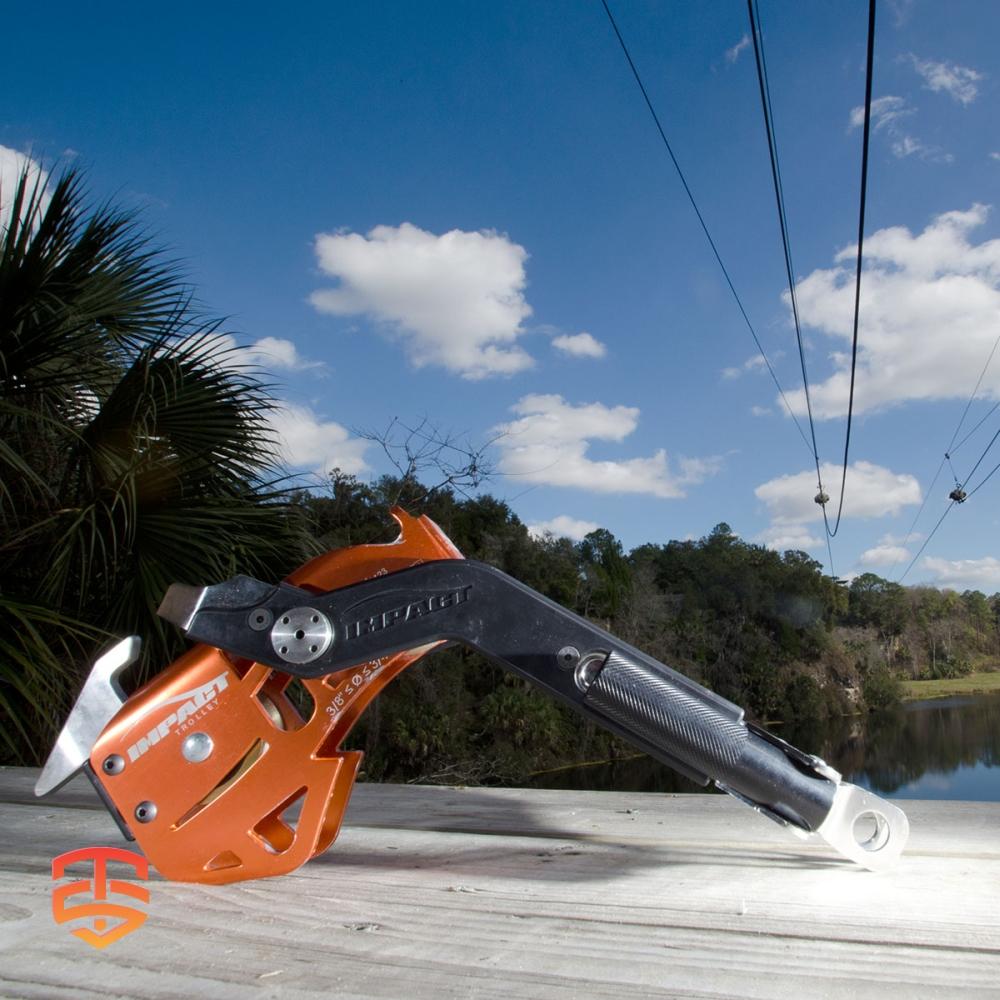
Commercial Zipline Trolleys
The right trolley decides how fast you can dispatch riders and how much wear your line and brakes take. Every trolley here is built for commercial use, with high-speed bearings and housings designed for repeated impact braking.
Choose the LightSpeed Impact Trolley for high-throughput lines, the ISC ZipSpeed range for everything from Clip’n’Zip parks to high-speed XTREME lines, or the EZ Clip and Micro Trolley for fast one-handed clipping on shorter lines. Handlebars, lanyard kits and anti-rollback cams are listed below. Request a quote with your cable diameter, line length and expected speed.
The Hardware Behind a Safe, High-Volume Zipline Operation
The products below are used and specified in the techniques described above. Click any item to explore full specifications and request a quote.
How Automatic Reset Braking Keeps High-Volume Ziplines Running
Magnetic eddy-current braking with automatic reset — ideal for high-throughput commercial courses where minimising staff intervention between riders matters.
Why Modular Spring Braking Is the Operator’s Safety Baseline
The modular passive brake for operators who use it as primary brake or as emergency arrest device (EAD), once engineered and tested for the installation. Sizing for rider weight range and arrival speed is done by your zipline engineer.
What It Takes to Safely Stop a Rider Arriving at 72 km/h
Engineered for mega-ziplines running at up to 72 km/h. The benchmark high-velocity arrest device for operators running the fastest commercial lines.
The Prone Position: How Superman Ziplines Demand Specialist Harnessing
The specialist prone harness for headfirst Superman configurations — redesigned for faster guest harnessing and a more comfortable ride position.
Trolley Longevity vs. Arrival Speed: Why You Don’t Have to Choose
Built to absorb the impact at landing without compromising speed on the line. The choice for courses where trolley longevity and smooth arrival are both non-negotiable.
Heavy Loads, Long Runs: Specifying Trolleys for Serious Commercial Operations
ISC’s large-capacity trolley for high-load commercial operations — built to the bearing quality and durability standards that serious operators expect.
Browse the full Zipline Safety Solutions range →
-
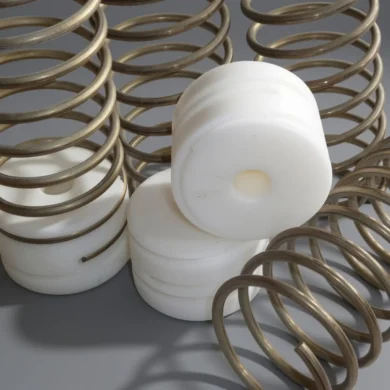 Zipline Spring Brake | Primary or Emergency Brake (EAD)€ 90,00
-
Product on sale
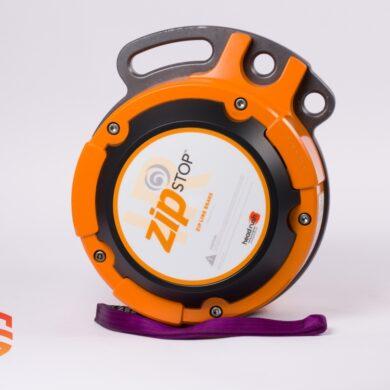 zipSTOP IR Zip Line Brake | Internal Reduction for High-Speed ArrivalPrice range: € 5.742,00 through € 5.894,00
-
Product on sale
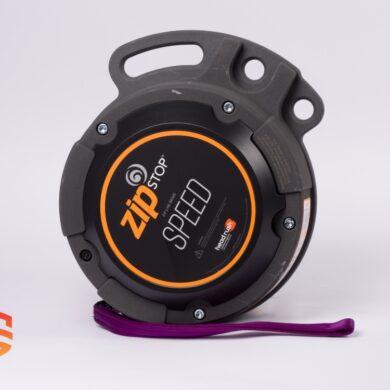 zipSTOP SPEED | High-Velocity Magnetic Braking SystemPrice range: € 6.198,00 through € 6.455,00