Posted on

Before You Build: Why a Zipline Feasibility Study Saves You Time and Money

You have the perfect location. A hillside with a stunning view, a valley ready to be crossed, or an open space in your adventure park just waiting for a new anchor attraction. The vision is clear: a thrilling, high-capacity zipline that draws crowds and boosts revenue. But between that vision and a grand opening lies a path filled with technical questions, engineering challenges, and significant financial risk. How do you know if the slope is right? Will riders arrive at the end platform safely and consistently? What forces will the anchors need to withstand? Answering these questions on a construction site is a recipe for budget overruns and delays. The smart move is to answer them first, with a comprehensive Zipline Feasibility Study. Itโ€™s the essential first step that transforms a great idea into a viable, data-backed project plan.

Continue reading Before You Build: Why a Zipline Feasibility Study Saves You Time and Money
Posted on

The Future of Zip Lines: Safer, Faster, and More Thrilling with Magnetic Braking

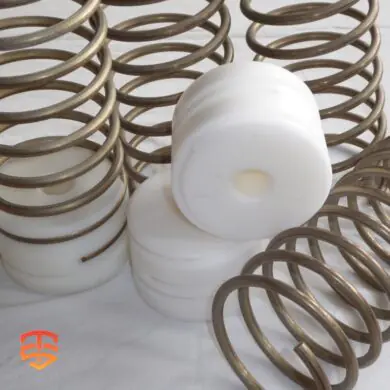
Ensure Smooth and Safe Zip Line Rides: Learn about the importance of spring brakes and how they impact rider experience and throughput. Dive into our expert article for all the details. Read now!

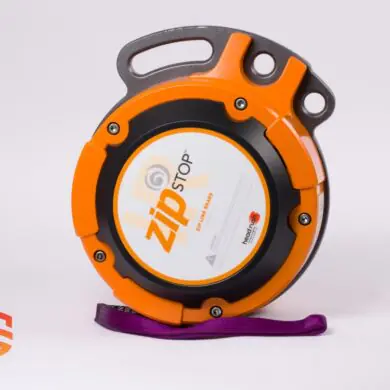
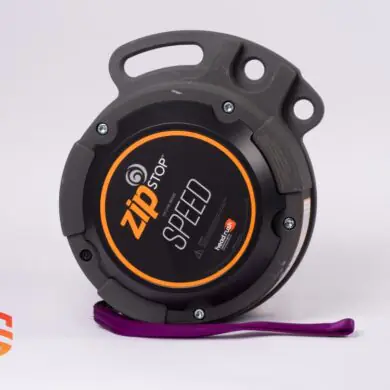
For zipline operators, creating a faster and more thrilling ride without compromising safety is the ultimate goal. The zipSTOP magnetic zip line brake is a revolutionary system that makes this possible. Using patented, frictionless technology inspired by roller coasters, this brake provides a consistently smooth and soft stop for riders of all weights, in any weather condition. This low-maintenance design significantly reduces wear and tear, lowering your long-term operational costs. With features like automatic reset for higher throughput and hands-free braking to reduce human error, the zipSTOP magnetic zip line brake is a smart investment to enhance your course, boost your ROI, and deliver an unparalleled guest experience.

Continue reading The Future of Zip Lines: Safer, Faster, and More Thrilling with Magnetic Braking
Posted on

Trends in Commercial Ziplining

An operator's guide to modern zipline braking systems. Learn how automated brakes improve safety, streamline operations, and enhance the rider experience.

For zipline operators, the right braking technology is crucial for ensuring safety, maximizing throughput, and delivering an exceptional guest experience. This comprehensive guide explores the evolution of zipline braking systems, from the limitations of outdated gravity and hand brakes to the benefits of today’s advanced solutions. We compare the most common types, including highly reliable magnetic brakes, spring brakes used as Emergency Arrest Devices (EADs), and the gold standardโ€”fully automated systems. Learn how investing in modern zipline braking systems can reduce human error, perform reliably in all weather, and enhance your course’s safety and profitability.

Continue reading Trends in Commercial Ziplining
Posted on

The Ultimate Guide to Zipline Safety: Ensuring Thrills Without Spills

Riders getting stuck? Boost your zipline efficiency and throughput with modern magnetic braking systems. Learn how this tech reduces delays.

For zipline park operators, providing a thrilling adventure and ensuring guest well-being go hand-in-hand. This ultimate guide to zipline safety offers a comprehensive overview of the best practices for your operation. We go beyond the basics to cover every critical component, from the engineering and materials of the zipline itself to the rigorous safety standards and daily inspection rituals that form the backbone of a secure park. Learn about the importance of staff training, creating a strong safety culture, and leveraging technological innovations like magnetic braking systems. We also cover weather protocols, guest education, and emergency preparedness to help you manage risk.

Continue reading The Ultimate Guide to Zipline Safety: Ensuring Thrills Without Spills
Posted on

Zipline Design: A Journey of Precision and Safety

An operator's guide to professional zipline design. Learn how to balance thrill with safety, efficiency, and profitability for a successful ride.

A successful zipline attraction is built on a foundation of meticulous engineering and planning. This comprehensive guide to professional zipline design walks you through the critical factors for creating a safe, thrilling, and profitable ride. We cover the entire process, from initial structural force analysis and calculating rider velocities to selecting the correct cable specifications and tensions. Learn the importance of accounting for wind forces, implementing effective emergency arrest devices, and conducting a thorough throughput analysis to optimize rider flow. This guide provides the essential knowledge needed to navigate the complexities of zipline design and ensure a successful operation.

Continue reading Zipline Design: A Journey of Precision and Safety
Posted on

Motorized Zipline Trolley: The ZipTronik Bi-Directional System

Discover why the zipstop zip line brake is the top choice for professional operators worldwide. Learn about magnetic braking today.

ZipTronik is a motorized, bi-directional zipline trolley: it travels down and back up the same cable under its own control. That removes the trolley and gear retrieval step from your operation, so one operator at the launch platform can run the line. Every ZipTronik installation is a project, configured for your cable, your site and your ride concept. This page explains how it works, where it fits and what we need from you to assess your line.

Discuss your ZipTronik project โ†’

Eliminate the need for a separate cart lift system with our bi-directional zipline trolley. A revolutionary solution for modern zipline management.

What a motorized zipline trolley changes

On a gravity zipline the trolley stays at the landing platform until someone brings it back: by hand, by ATV or on a secondary line. That takes time, staff and planning. A ZipTronik cart returns itself, which changes four things for the operator:

  • No operator at the landing zone. One operator at the launch platform handles dispatch, harness fitting and monitoring. On parks with parallel lines, the saving repeats on every cable.
  • No cart lift or retrieval line. You also need a smaller trolley fleet, because each cart cycles back to the start.
  • Gear comes back with the cart. Harnesses and helmets can return to the launch point after each ride, removing one of the most common bottlenecks at peak hours.
  • New course designs. Lines are no longer limited to downhill-only routes, so you can plan courses that a gravity system cannot run.

How ZipTronik works

ZipTronik combines mechanics, electronics, computing and communication in one autonomous, programmable cart. You program routes, speeds and the return to the start point, and the cart runs them without manual handling of the pulley.

Energy recovery

The cart stores energy during the descent and uses it to power the ascent. This regenerative charging lets it run many cycles autonomously and reduces the need for external power.

Speed regulation and braking

Speed is regulated continuously, and automatic braking brings each rider in under control. You can offer slow, medium or fast descent profiles, with consistent performance regardless of rider weight or weather.

Control, position detection and data

Depending on model and application, carts run fully autonomous, semi-automatic or manual, and can be operated remotely. Position detection tracks each cart on the cable for accurate targeting, and certain models pass intermediate pylons. Real-time data shows how the line is used, and the cart can run periodic cable inspections at reduced speed.

Our bi-directional zipline trolley combines passenger transport and gear retrieval in one autonomous unit. The ultimate tool for efficient park operations.

Three cart types

  • ZipTronik LOADER for equipment transport: motorized trolley with automatic lift, interchangeable battery for continuous operation, remote control and position detection. It handles intermediate pylons and varying slopes.
  • ZipTronik for passenger transport: self-regenerative charging, speed regulation, automatic lift, advanced position detection, remote control and intermediate pylon passage.
  • ZipTronik-SPEED for passenger transport where a lightweight, compact cart fits best: regenerative charging and speed regulation, suitable for a wide range of installations and rider weights and heights.

Where it fits

  • Rider return on single lines, so trolleys never have to be carried back.
  • Gear retrieval of harnesses, helmets and other equipment.
  • Cargo transport across a course or site with the LOADER.
  • Several ride profiles on one cable: a fast ride for adults and a slower scenic ride for families, from the same platform. A programmed pause at a viewpoint can support a 360ยฐ photo or video product.
  • Branded attractions: carts can be finished in your logo and colours.

Retrofit or new build

Many cables built for passive trolleys can carry a motorized unit, but a conversion needs checking first: cable tension, anchor loads, platform clearances and the power arrangement. A design and engineering review before you choose a system avoids costly surprises. A retrofit on an already-rated cable can be done in days once the equipment is on site. New infrastructure with structural work typically takes several weeks, plus the design phase.

How a ZipTronik project runs

  1. You send us your line data (see the list below).
  2. We check feasibility: cable, platforms, power and the ride concept.
  3. You receive a proposal with cart type, configuration and price.
  4. Delivery and commissioning, with manufacturer training for your operators.

What we need from you

  • Application: rider return, gear retrieval, cargo or a ride experience
  • Line length, height difference and number of lines
  • Cable type and diameter
  • Existing line or new build
  • Location and climate, including the lowest operating temperature
  • Expected riders per hour and your season
  • Planned timing

Send these details to sales@thrillsyndicate.com and we will come back with a first feasibility check.

Frequently asked questions

Can a motorized zipline trolley go uphill?

Yes. ZipTronik travels in both directions on the same cable. Energy recovered during the descent powers the ascent.

Is ZipTronik remote controlled?

Yes, ZipTronik carts can be operated remotely. Depending on the model and application, they run fully autonomous, semi-automatic or manual.

What power supply does a motorized zipline trolley need?

It depends on the model and the line. The LOADER uses an interchangeable battery for continuous operation, and the passenger carts recover energy on each descent. Settle the power set-up early in the project, because it affects both the infrastructure cost and the daily workflow.

Does it work in cold or wet weather?

ZipTronik carts are built for a wide range of weather conditions. Check the rated operating temperature against your site, and plan for cable icing, condensation on sensors and cold-weather lubrication in your maintenance plan before the first winter.

Which standards apply to a motorized zipline?

EN 13796 covers cableway installations, including motorized systems. Your insurer will want evidence of compliance and regular inspection, and some insurers ask for extra documentation on failsafe braking and dispatch interlocks. Confirm these requirements before installation.

Do staff need special qualifications?

Staff no longer need manual braking skills at the landing zone; the focus moves to system monitoring, harness fitting and guest management at the launch platform. The operator running the control interface needs manufacturer training, and the EN 13796 inspection requirements stay in place.

Contact us to discuss a tailored solution that uses programmable, autonomous technology to revolutionize your visitor experience!

Get in touch Today

The Hardware Behind a Safe, High-Volume Zipline Operation

The products below are used and specified in the techniques described above. Click any item to explore full specifications and request a quote.


How Automatic Reset Braking Keeps High-Volume Ziplines Running

Magnetic eddy-current braking with automatic reset โ€” ideal for high-throughput commercial courses where minimising staff intervention between riders matters.


Why Modular Spring Braking Is the Operator’s Safety Baseline

The modular go-to for operators who need reliable primary and emergency arrest capability. Configurable to your specific rider weight range and arrival speed.


What It Takes to Safely Stop a Rider Arriving at 72 km/h

Engineered for mega-ziplines running at up to 72 km/h. The benchmark high-velocity arrest device for operators running the fastest commercial lines.


The Prone Position: How Superman Ziplines Demand Specialist Harnessing

The specialist prone harness for headfirst Superman configurations โ€” redesigned for faster guest harnessing and a more comfortable ride position.


Trolley Longevity vs. Arrival Speed: Why You Don’t Have to Choose

Built to absorb the impact at landing without compromising speed on the line. The choice for courses where trolley longevity and smooth arrival are both non-negotiable.


Heavy Loads, Long Runs: Specifying Trolleys for Serious Commercial Operations

ISC’s large-capacity trolley for high-load commercial operations โ€” built to the bearing quality and durability standards that serious operators expect.


Browse the full Zipline Safety Solutions range โ†’

Posted on

Ziplines 2.0: The Magnetic Shift Towards Enhanced Efficiency

Riders getting stuck? Boost your zipline efficiency and throughput with modern magnetic braking systems. Learn how this tech reduces delays.

This guide explores the key to modern zipline efficiency and profitability. For any successful zipline business, maximizing throughputโ€”the rate at which customers move through your courseโ€”is essential. We explain how outdated braking systems can cause significant delays and hurt your bottom line. Discover how a strategic investment in innovative technology like magnetic braking trolleys and automatic braking systems can revolutionize your operations. Learn how these systems enhance zipline efficiency by automating the braking process, reducing the chance of riders getting stuck, minimizing staffing needs, and delivering a consistently safe and enjoyable experience for every guest.

Continue reading Ziplines 2.0: The Magnetic Shift Towards Enhanced Efficiency
Posted on

The Importance of Optimizing Zip Line Design for Rider Speed

Understand the physics behind zip line rider speed. This article covers all the variables, from rider weight and drag to cable tension and temperature.

Controlling zip line rider speed is one of the most critical aspects of safe and successful zip line design. This designer’s guide explores the complex variables that determine how fast a rider travels. We go beyond simple gravity and slope to analyze the crucial environmental factors that can alter arrival speeds, including rider drag, headwinds and tailwinds, trolley friction, and rider weight. Learn how temperature fluctuations can change cable tension and impact performance. Understanding these elements is key to creating speed envelopes that ensure a consistent, safe, and exhilarating experience for every rider, every time. This is essential reading for any zip line designer or engineer.

Continue reading The Importance of Optimizing Zip Line Design for Rider Speed
Posted on

Consider operating and investing in a zipline?

Thinking of operating a zipline? Learn the key considerations for a safe and profitable investment, from initial design to ongoing upkeep.

This expert guide covers everything you need to know to run a safe, successful, and profitable attraction. We go beyond the basics to explore the critical professional aspects of the business. Learn about the fundamentals of proper zipline design, the essential engineering calculations for managing rider speed, and the different types of braking systems available. This article stresses why professional installation is non-negotiable and outlines the ongoing responsibilities of regular, thorough inspections and maintenance. Get the foundational knowledge you need to turn an exciting idea into a world-class adventure.

Continue reading Consider operating and investing in a zipline?
Posted on

How to startup a Successful Zip Line Business

Dreaming of how to start a zip line business? Learn the 7-step professional process, from initial concept to a profitable, safe operation.

Thinking about how to start a zip line business? This comprehensive guide for 2025 covers every critical step to launching a successful and safe attraction. We walk you through the entire process, from the initial site discovery and business plan to the complex technical stages of design, engineering, and calculating cable sag. Learn why professional installation, thorough staff training, and regular safety inspections are non-negotiable. We also explore the latest in zip line technology, including advanced magnetic braking systems like the zipSTOP, which are essential for ensuring rider safety and maximizing throughput. Turn your exciting idea into a profitable reality with our expert advice.

Continue reading How to startup a Successful Zip Line Business