
Posted on

Motorized Zipline Trolley: The ZipTronik Bi-Directional System

Discover why the zipstop zip line brake is the top choice for professional operators worldwide. Learn about magnetic braking today.

ZipTronik is a motorized, bi-directional zipline trolley: it travels down and back up the same cable under its own control. That removes the trolley and gear retrieval step from your operation, so one operator at the launch platform can run the line. Every ZipTronik installation is a project, configured for your cable, your site and your ride concept. This page explains how it works, where it fits and what we need from you to assess your line.

Continue reading Motorized Zipline Trolley: The ZipTronik Bi-Directional System
Posted on

Zip Line Brakes: A Buyer’s Guide to Active, Passive and Emergency Braking

A complete guide to active vs passive zip line brakes. Understand the pros, cons, and safety implications of each system before you choose.

The brake decides three things on a commercial zipline: how safely every rider stops, how many riders you get through per hour, and how much you spend on wear parts. This guide compares the main options (active braking, gravity, spring and magnetic brakes, plus emergency arrest devices) so you can choose the right system for your line.

Continue reading Zip Line Brakes: A Buyer’s Guide to Active, Passive and Emergency Braking
Posted on

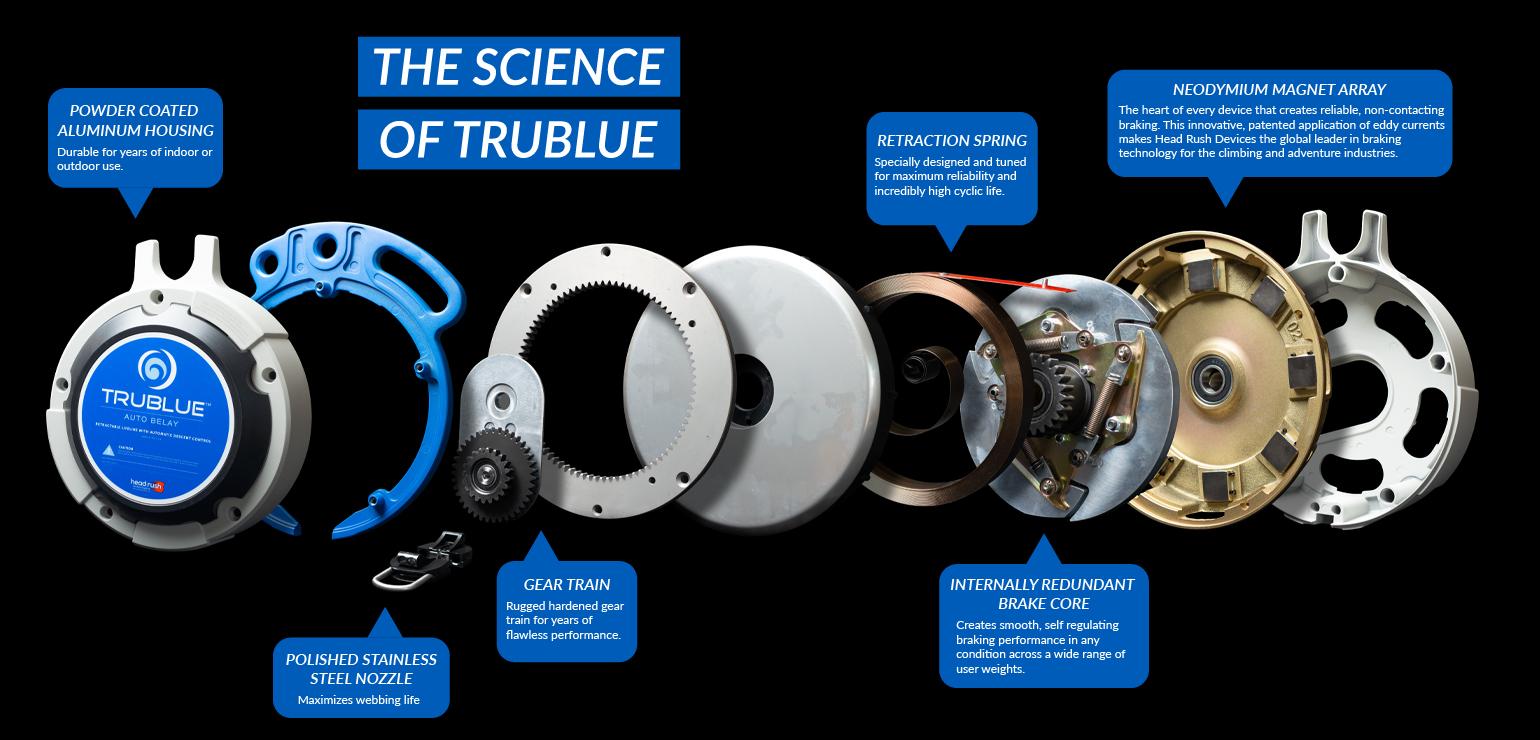
The Science of Eddy Current Magnetic Braking

What is eddy current magnetic braking? Explore the advanced science of this system used in climbing auto belays & zip lines for a controlled descent.

Passive braking — where the system manages deceleration automatically without input from the rider or a staff member — is the operational standard across auto belays, zipline brakes, and free fall devices. All three rely on the same underlying mechanism: eddy current magnetic braking. Understanding how the technology works helps operators evaluate equipment claims, specify the right device for a given application, and explain the maintenance model to insurers and inspection bodies.

Continue reading The Science of Eddy Current Magnetic Braking
Posted on

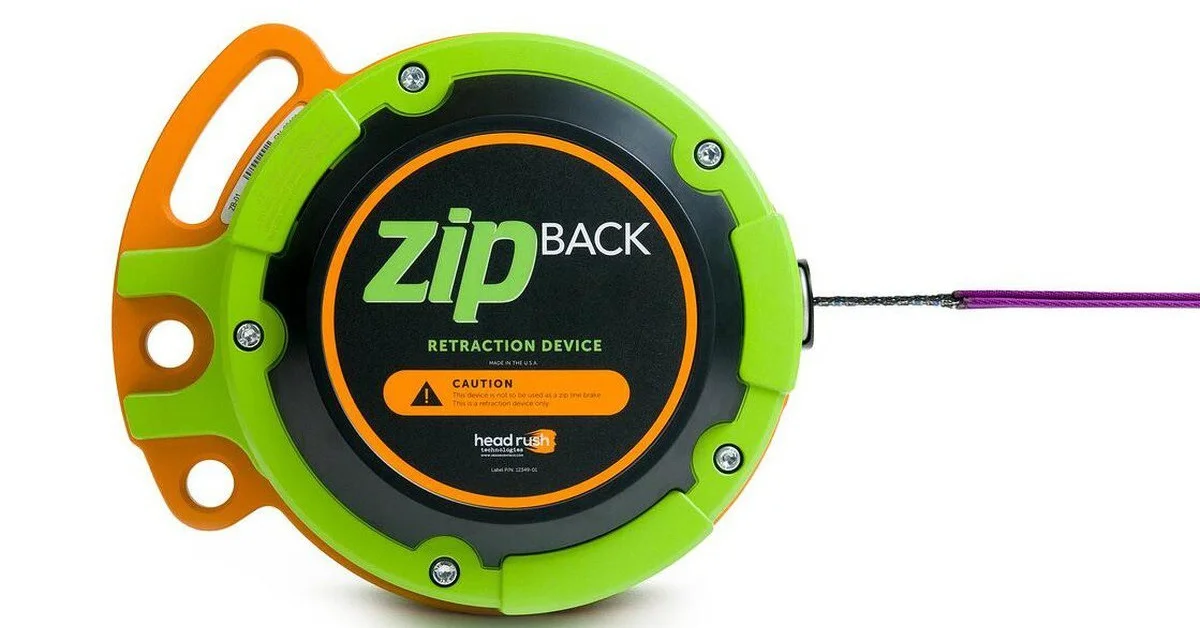
zipBACK Zip Line Retraction: Installation, Limits and Upkeep

zipBACK Zip Line Retraction Device wide

A zipBACK pulls the rider’s trolley back to the start platform automatically, so staff no longer walk or haul trolleys up the line. It suits short zip lines that are ridden without a harness and end in a fall-attenuation zone. Before you order one, check three things: the length of the line, how the redirection system will be routed, and where the device can be anchored. This guide covers all three, based on the manufacturer’s installation manual.

Continue reading zipBACK Zip Line Retraction: Installation, Limits and Upkeep
Posted on

Zip Line Design: The Complete System, Component by Component

Considering a zip line installation? This overview of professional zip line design breaks down the key parts you need for a safe and effective system.

Specifying a commercial zipline means making decisions about a system, not a product. The cable, the trolley, the primary brake, the emergency arrest device, the platforms, and the inspection programme all interact — a choice made at one point affects what is possible at another. This overview covers each component in sequence, with the decisions and constraints operators need to understand before committing to a design. Use it as a checklist before you request quotes or brief an engineer.

Continue reading Zip Line Design: The Complete System, Component by Component
Posted on

Zip Line Rider Speed: Design Factors and Arrival Speed

Understand the physics behind zip line rider speed. This article covers all the variables, from rider weight and drag to cable tension and temperature.

Arrival speed is where zip line design meets daily operation. If riders arrive too fast, the brake works outside its rated range. If they arrive too slowly, they stop short of the platform and need a rescue. This guide explains what sets zip line rider speed, which everyday variables push it up or down, and how to choose trolleys and brakes for the full speed range of your line.

Continue reading Zip Line Rider Speed: Design Factors and Arrival Speed
Posted on

How to prevent many Zipline mistakes that you’re not aware of

From braking errors to improper engineering, avoid these critical zipline mistakes. Our guide shows how to reduce risk and improve the rider experience.

Are you making common zipline mistakes without even realizing it? This guide identifies and provides solutions for the nine most critical errors in zip line operations, particularly for high-speed courses using impact braking. Many of these issues can significantly increase risk, diminish the customer experience, and ultimately hurt your profitability. You will learn how to address crucial variables, from operating without an Emergency Arrest Device (EAD) and requiring manual braking to improper engineering and failing to inspect equipment. By preventing these common pitfalls, you can dramatically reduce participant risk, increase throughput, and ensure every rider has a thrilling and safe experience that encourages them to come back again and again.

Continue reading How to prevent many Zipline mistakes that you’re not aware of
Posted on

The Ultimate Guide to Zip Line Spring Brakes

Choosing zip line brakes? Compare the pros and cons of active vs. passive systems to improve throughput, customer experience, and safety on your course.

Zip lining is an exhilarating activity that offers an adrenaline rush like no other. But behind the scenes, there’s a lot of engineering and safety measures that ensure every ride is both thrilling and secure. One of the most critical components in a zip line setup is the braking system. In this comprehensive guide, we’ll dive deep into spring brakes, exploring their functionality, advantages, and drawbacks. Whether you’re a zip line operator or an enthusiast, this article will provide you with valuable insights.

Continue reading The Ultimate Guide to Zip Line Spring Brakes
Posted on

The Ultimate Guide to Zipline Safety: Ensuring Thrills Without Spills

Riders getting stuck? Boost your zipline efficiency and throughput with modern magnetic braking systems. Learn how this tech reduces delays.

For zipline park operators, providing a thrilling adventure and ensuring guest well-being go hand-in-hand. This ultimate guide to zipline safety offers a comprehensive overview of the best practices for your operation. We go beyond the basics to cover every critical component, from the engineering and materials of the zipline itself to the rigorous safety standards and daily inspection rituals that form the backbone of a secure park. Learn about the importance of staff training, creating a strong safety culture, and leveraging technological innovations like magnetic braking systems. We also cover weather protocols, guest education, and emergency preparedness to help you manage risk.

Continue reading The Ultimate Guide to Zipline Safety: Ensuring Thrills Without Spills
Posted on

Adventure parks’ logistics are essential to customer satisfaction, TO, and ROI.

A guide for park operators on improving adventure park logistics. Discover strategies to reduce wait times, manage crowds, and enhance guest satisfaction.

Effective adventure park logistics is the secret to a successful and profitable operation. This ultimate guide explores how to manage and coordinate all the crucial components of your park, from transportation and facilities to visitor services and emergency planning. Learn how a well-designed logistics model can directly increase your park’s throughput—the rate at which visitors can enjoy your attractions. We cover strategies like online ticketing, fast pass systems, and real-time information apps to reduce wait times, eliminate bottlenecks, and streamline the guest experience. Master your park’s operations to improve customer satisfaction and boost your bottom line.

Continue reading Adventure parks’ logistics are essential to customer satisfaction, TO, and ROI.