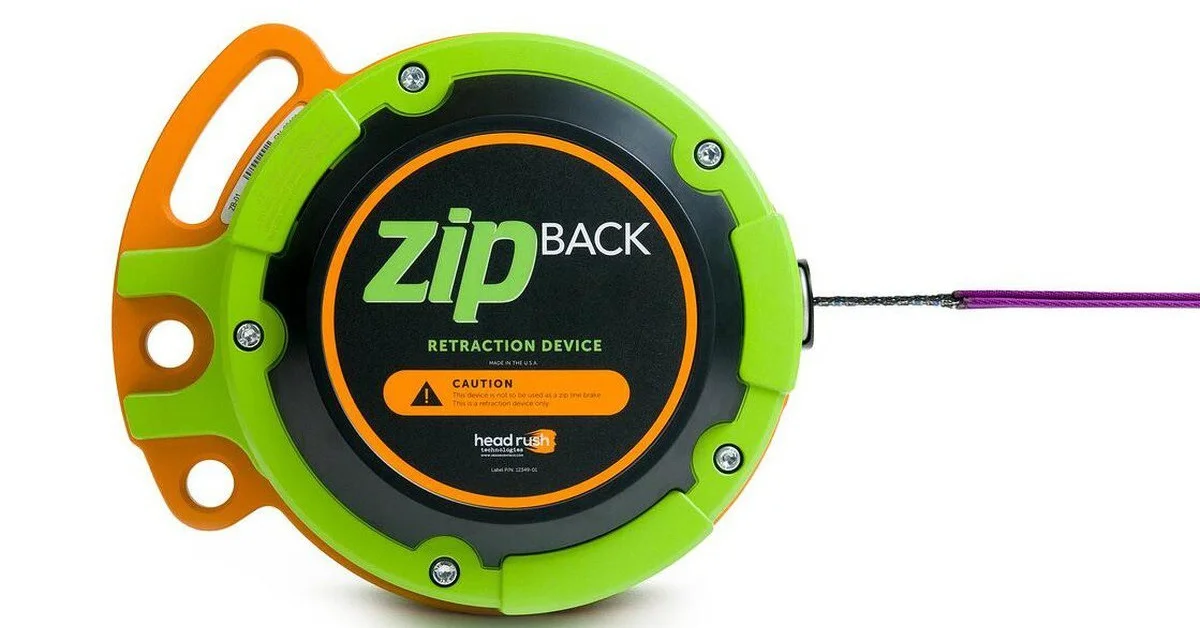
A zipBACK pulls the rider’s trolley back to the start platform automatically, so staff no longer walk or haul trolleys up the line. It suits short zip lines that are ridden without a harness and end in a fall-attenuation zone. Before you order one, check three things: the length of the line, how the redirection system will be routed, and where the device can be anchored. This guide covers all three, based on the manufacturer’s installation manual.
What the zipBACK does, and what it doesn’t
The zipBACK is a spring-loaded webbing retractor. The webbing is connected to the trolley through a redirection rope. When the rider lets go at the end of the line, the device winds the webbing back and returns the trolley to the start in a few seconds. The trolley stays on the cable the whole time.
The zipBACK does not brake the rider, and it is never part of a life safety system. That is why, unlike an auto belay or a zip line brake, it needs no annual recertification. It does need a daily inspection by a trained person (see below). Braking and end-of-line protection must come from the zip line design itself: a brake such as a zipSTOP brake trolley, or a fall-attenuation zone with padding, foam, airbags or water.
Does a zipBACK fit your zip line?
| Check | Limit or requirement |
|---|---|
| Maximum zip line length | 40 m, with a 2:1 reduction system |
| Maximum webbing extension | 20 m |
| Braking function | None: the zip line needs its own braking or fall attenuation |
| Annual recertification | Not required (not a life safety device) |
| Inspection | Daily, by a trained person |
| Anchor | Terminal structure at the start: flat or round (pole) surface |
| Warranty | 1 year on materials and workmanship (wear parts excluded) |
Longer lines need a different solution. Ask us, because the trolley, brake and retrieval method have to be chosen together.
The 2:1 reduction system explained
The webbing never runs directly to the trolley. A redirection rope runs through a pulley at the end of the webbing. For every 2 m the trolley travels, the webbing comes out only 1 m, at half the speed. The rider feels less resistance, and the retraction is more controlled. An alternative layout uses a fixed redirection point. The components:
- The webbing assembly in the zipBACK
- A redirection rope (the manufacturer recommends its own low-stretch rope)
- Redirection, reduction and traveler pulleys such as the Precision Pulley
- A quick link or carabiner to the trolley
- Optional: an overhead line with a traveler assembly to stop the rope sagging
Alignment is critical. Pulleys must be the right size for the rope (no gap between the side plates where the rope can jam), the rope must run cleanly in line, and the webbing must pull straight out of the device nozzle. Misalignment is the most common cause of fast webbing wear.
Mounting the device
- The zipBACK comes with a mounting base for a flat or round anchor on the start structure.
- Fix the base with 3 × M12 hex bolts, or strap it around a pole (straps run under the base supports).
- RattleSTOP elastomeric bushings reduce vibration and noise.
- The device is pinned to the base with mounting pins and lynch pins. A padlock can replace the lynch pins to prevent tampering.
- With an overhead line, place the anchor just below and close to that line.
Commissioning tests before opening
Test the installation and record the results as your inspection body or authority requires. The manufacturer lists these checks:
- The zip line works safely both with and without the zipBACK connected.
- The retraction resistance does not slow or stop the rider.
- A disconnected or failed zipBACK does not create an unsafe situation.
- Retraction speed and force are safe for staff and guests near the line.
- There is no risk of entanglement for riders or bystanders.
- Results are the same across rider weights and in the weather you operate in.
Daily inspection and wear parts
- Pull out and check the full length of the webbing.
- Check the nozzle for wear; never operate without the stainless nozzle insert.
- Check all redirection components: rope, pulleys, connectors.
- Do a retraction test.
Take the device out of service if it does not work properly or if wear is excessive. The webbing assembly and the nozzle are field-replaceable wear parts. Fit a new replacement line with a new shackle pin and single-use thread lock. A broken retraction spring must go to an authorised service agent.
Troubleshooting
| Symptom | Likely cause and fix |
|---|---|
| Trolley comes back too fast | Add a bumper or spring near full retraction, or more tension in the redirection system |
| Rope or webbing tangles | The trolley rotates on the cable: add a secondary rider cable or a trolley that cannot spin |
| Rope sags into the riding zone | Add an overhead line with a traveler assembly and remove the slack |
| Retraction is unreliable | Check the rope routing and the webbing alignment at the nozzle |
Everything for the installation, from one supplier
Thrill Syndicate is a full-service supplier. Besides the zipBACK itself, we deliver everything the installation needs: redirection rope, pulleys, connectors and mounting hardware. Combine it with an annual zip line inspection, and the zipSTOP annual service if your line uses a zipSTOP brake.
Request a quote with your line length, start structure and rider numbers, and we will put together the complete retraction set.
Frequently asked questions
How long can a zip line be with a zipBACK?
Up to 40 m with a 2:1 reduction system. The maximum webbing extension of the device is 20 m. For longer lines, ask for a different retrieval solution.
Does a zipBACK brake the rider?
No. The zipBACK only returns the empty trolley. Braking or end-of-line protection must come from the zip line itself, for example a zipSTOP brake or a fall-attenuation zone.
Does the zipBACK need an annual service or recertification?
No. It is not a life safety device, so there is no mandatory annual recertification. It does need a daily inspection, and worn webbing or nozzles must be replaced.
What do I need besides the zipBACK?
A redirection rope, pulleys, a quick link or carabiner, mounting hardware and, on some lines, an overhead line with a traveler. Thrill Syndicate supplies the complete set.
The Hardware Behind a Safe, High-Volume Zipline Operation
The products below are used and specified in the techniques described above. Click any item to explore full specifications and request a quote.
How Automatic Reset Braking Keeps High-Volume Ziplines Running
Magnetic eddy-current braking with automatic reset — ideal for high-throughput commercial courses where minimising staff intervention between riders matters.
Why Modular Spring Braking Is the Operator’s Safety Baseline
The modular passive brake for operators who use it as primary brake or as emergency arrest device (EAD), once engineered and tested for the installation. Sizing for rider weight range and arrival speed is done by your zipline engineer.
What It Takes to Safely Stop a Rider Arriving at 72 km/h
Engineered for mega-ziplines running at up to 72 km/h. The benchmark high-velocity arrest device for operators running the fastest commercial lines.
The Prone Position: How Superman Ziplines Demand Specialist Harnessing
The specialist prone harness for headfirst Superman configurations — redesigned for faster guest harnessing and a more comfortable ride position.
Trolley Longevity vs. Arrival Speed: Why You Don’t Have to Choose
Built to absorb the impact at landing without compromising speed on the line. The choice for courses where trolley longevity and smooth arrival are both non-negotiable.
Heavy Loads, Long Runs: Specifying Trolleys for Serious Commercial Operations
ISC’s large-capacity trolley for high-load commercial operations — built to the bearing quality and durability standards that serious operators expect.
Browse the full Zipline Safety Solutions range →
-
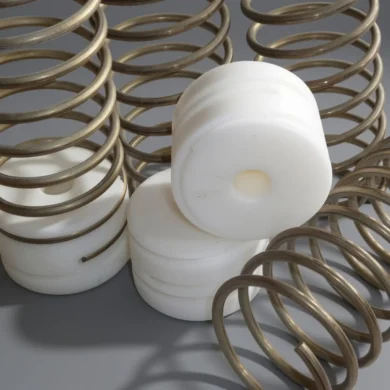 Zipline Spring Brake | Primary or Emergency Brake (EAD)€ 90,00
-
Product on sale
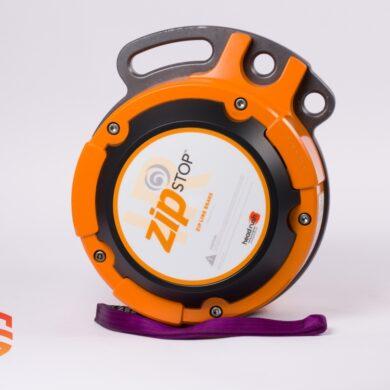 zipSTOP IR Zip Line Brake | Internal Reduction for High-Speed ArrivalPrice range: € 5.742,00 through € 5.894,00
-
Product on sale
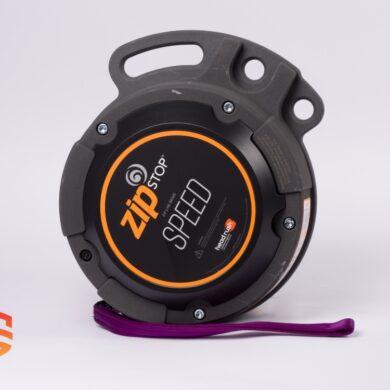 zipSTOP SPEED | High-Velocity Magnetic Braking SystemPrice range: € 6.198,00 through € 6.455,00