
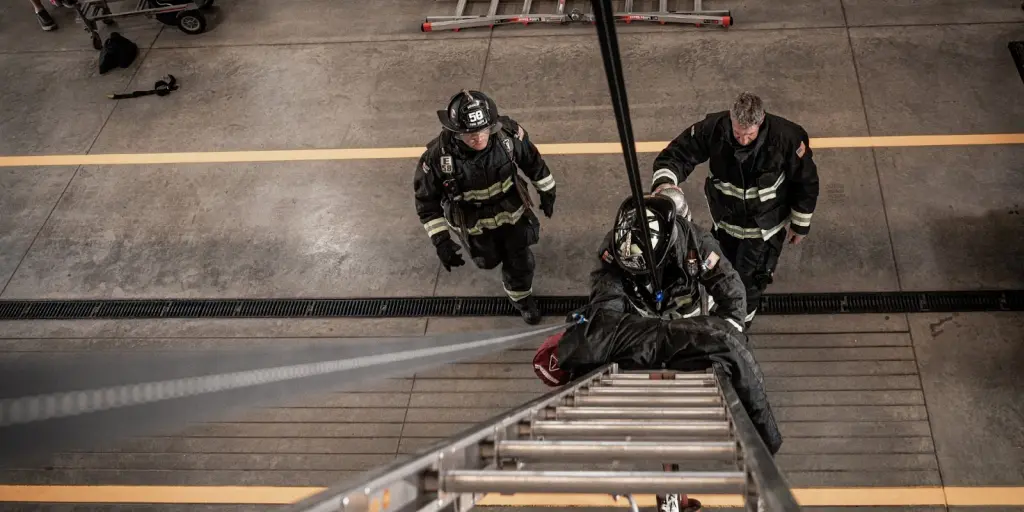
Modern training environments require equipment that balances high-level safety with operational speed. Using a controlled descent device allows operators to focus on skill development without the risks associated with manual belaying. This technology ensures a consistent experience for every user while maximizing facility efficiency.
The technology behind a modern controlled descent device
The core of this system is a self-regulating magnetic braking mechanism that manages speed effectively. This eddy current technology provides a smooth experience without relying on friction-based parts that wear down quickly. It adapts to the weight of the user to ensure a consistent descent rate for everyone.
Advanced engineering allows these units to handle repeat descents without the overheating issues found in traditional brakes. This makes the controlled descent device ideal for high-volume environments where downtime is not an option. You get a highly durable solution that stands up to rigorous daily use.
How does a magnetic braking system function?
Magnetic braking uses non-contact force to create resistance during a descent. This means there are no pads to replace and the braking force is always reliable regardless of weather conditions. The system automatically adjusts to the user’s weight to provide a safe and smooth landing.
What are the advantages of non-friction braking?
- Reduced maintenance costs due to fewer wearing parts.
- Consistent performance in wet or dry environments.
- Smooth descents that eliminate jerky movements.
Choosing the right technology is the first step toward building a safer and more productive facility.
Operational benefits for professional facilities
A primary goal for any operator is to increase throughput while maintaining a high safety margin. Integrating a controlled descent device removes the need for manual belaying, which often causes bottlenecks during busy sessions. This allows your staff to focus on instruction and supervision rather than manual labor.
By automating the descent process, you significantly reduce the risk of human error. This device provides predictable performance that builds confidence in both students and instructors. It is a cost-effective investment that pays for itself through increased efficiency and reduced staffing needs.
Can a controlled descent device increase training efficiency?
Yes, by allowing users to quickly clip in and out without waiting for a manual belayer. This leads to more repetitions per hour and faster skill progression for trainees. Operators can manage larger groups of people with fewer staff members on the ground.
How does the device improve the user experience?
- Provides a realistic training feel without the upward pull of some systems.
- Allows for natural movement without nuisance lockups during ascent.
- Ensures a gentle descent that minimizes the fear of falling.
Efficiency is further enhanced when equipment is built to withstand the toughest environmental conditions.
Safety certifications and industry standards
Safety is the highest priority in the recreation and industrial sectors. A high-quality controlled descent device is engineered to meet or exceed international safety standards for fall protection. Rigorous testing by independent bodies ensures that the equipment performs flawlessly under pressure.
These units are often tested to multiple standards to ensure versatility across different applications. Look for equipment that carries certifications for both descender devices and fall arresters. This dual-purpose engineering provides a comprehensive safety net for all types of vertical activities.
What safety standards should a descent device meet?
High-end devices are typically certified under standards like EN 341 and EN 360. These certifications prove the device can handle repeated descents and fall arrest scenarios safely. Always verify that your equipment is third-party tested for the specific tasks you perform.
Why is third-party testing important for operators?
- It provides independent verification of all safety claims.
- It ensures the device meets global quality benchmarks.
- It gives operators legal peace of mind in high-risk industries.
Reliability is the foundation of trust between an operator and their trainees or customers.
Versatility in industrial and emergency training
The application of this technology extends far beyond simple recreation. A controlled descent device is a vital tool for firefighter training, emergency bailouts, and line worker safety. It allows professionals to practice high-stakes maneuvers in a controlled environment.
Whether it is practicing a window escape or a ladder rescue, the device provides the necessary backup. It accommodates a wide weight range, ensuring that a fully geared professional descends at the same safe speed as a cadet. This versatility makes it the standard for professional safety across many sectors.
Is a controlled descent device suitable for firefighter training?
Absolutely, as it allows firefighters to practice rappelling and victim removals safely. The device eliminates the need for manual belays during ladder and window exercises. This creates a safer training ground where teams can focus on life-saving techniques.
How do industrial workers benefit from this technology?
- Allows line workers to practice self-arrest skills safely.
- Provides protection for down-climbing and equipment handling.
- Reduces the risk of injury during emergency evacuation drills.
Maintaining safety across all these applications requires a clear understanding of best practices.
Improving safety with a magnetic controlled descent device
Investing in high-quality equipment is the best way to ensure long-term safety and operational success. A controlled descent device provides the reliability needed for professional training and recreational applications. Contact a specialist today to find the perfect safety solution for your specific needs.
Considering controlled descent device in training? Need information on the operational benefits for professional facilities
Get in touch Today
Frequent Asked Questions
What is a controlled descent device used for?
It is primarily used to provide a safe and consistent descent for individuals at height. It is common in climbing gyms, firefighter training, and industrial safety applications to prevent falls.
How often should a controlled descent device be serviced?
Most professional units require a formal inspection and service once per year. This ensures all internal components are functioning correctly for maximum user safety.
Can a controlled descent device be used outdoors?
Yes, high-quality units are designed with durable construction for both indoor and outdoor use. They are engineered to perform reliably in various weather conditions.
What are the weight limits for a controlled descent device?
Most devices are designed to support a range from low user weights to high capacities. This ensures a consistent descent speed for almost any person using the system.
How does a controlled descent device reduce training time?
It removes the need for manual belaying, which allows for faster transitions between users. This increases the number of repetitions a person can complete in a single session.
What to Consider Before You Spec an Auto Belay System
The systems and accessories discussed above are used on professional climbing walls worldwide. Explore each to find the right fit for your wall configuration and operational setup.
Auto Belay Buying Guide: What to Look For Before You Spec a Climbing Wall
Wall height, expected cycle counts, and your inspection regime all influence which auto belay system belongs on your wall. Browse the full range of certified vertical auto belay systems for commercial climbing operations.
Why the TruBlue IQ Is the Default Choice for High-Traffic Climbing Walls
The TruBlue IQ combines magnetic braking with a speed-sensing mechanism that adjusts descent rate to the climber’s weight — delivering a smooth, controlled lowering experience for every rider regardless of size.
Speed Climbing and Auto Belay: What Changes When Every Second Counts
Speed climbing demands a faster retraction rate than recreational walls require. The TruBlue Speed is engineered specifically for competition and training walls where rapid reset between attempts is part of the format.
When to Replace Your Auto Belay Webbing — and What Happens If You Wait Too Long
Webbing is the most wear-exposed component in any auto belay system. Browse certified TruBlue replacement webbing and understand the inspection intervals that keep your units in service and your liability in check.
The Connector Your Climbers Use Every Single Session: Why It Deserves More Attention
The Tru-Clip is the interface between your climber and the auto belay system — designed for one-handed connection, misuse resistance, and the thousands of attach-detach cycles a busy wall puts it through every month.
The Sensor That Catches What Staff Can’t Always See
The Tru-Alert height sensor monitors climber position and triggers an alert when someone reaches the top unclipped. It is the operational safety net for busy walls where staff cannot maintain a direct sightline to every route at all times.
Browse all Vertical Auto Belay Systems →
-
Product on sale
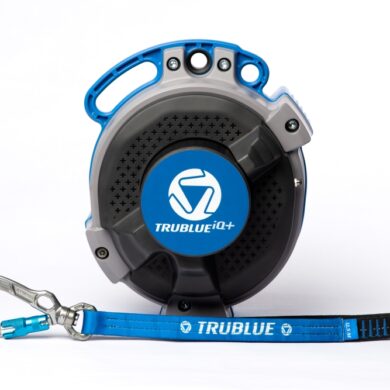 TRUBLUE iQ+ Auto Belay | Catch-and-Hold Projecting TechnologyPrice range: € 4.465,00 through € 5.157,00 Ex VAT
 -
Product on sale
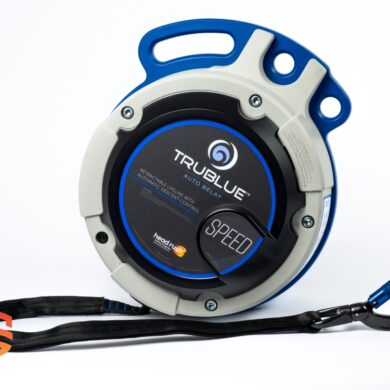 TRUBLUE Speed Auto Belay | Competition-Grade Speed Climbing SystemPrice range: € 2.845,00 through € 3.360,00 Ex VAT
 -
Product on saleTRUBLUE iQ Auto Belay – Magnetic Auto Belay System for Climbing WallsPrice range: € 2.845,00 through € 3.465,00 Ex VAT