Implementing robust zipline safety protocols is the foundation of any successful and profitable aerial recreation business. Operators must balance heart-pounding thrills with absolute security to build lasting visitor trust. Standardizing these essential practices protects your guests while dramatically improving your operational efficiency.
Understanding the mechanics behind zipline safety protocols
Mastering the physics of aerial rides is essential for effective risk management.
Why is structural tensioning critical for rider security?
Gravity drives the rider, but precise structural tensioning dictates the speed and smoothness of the descent. Without proper tension, cables can sag dangerously and compromise your zipline safety protocols. Correctly calibrated lines guarantee guests reach the end platform without stalling or arriving too fast.
What materials ensure maximum durability and compliance?
Constructing a course with high-grade steel cables offers a massive safety margin against weather and daily wear. Operators must source materials that easily exceed baseline weight capacity requirements. High-quality infrastructure is the backbone of all reliable aerial adventure safety operations.
How to improve zipline safety protocols through engineering
Proactive engineering assessments prevent structural failures before they ever happen.
Why are comprehensive engineering assessments necessary?
Every platform and pulley must undergo rigorous stress testing to evaluate long-term structural integrity against wind and weight. Professional engineers help operators validate their structural tensioning by identifying hidden environmental stressors. This proactive evaluation keeps the entire course running smoothly during peak seasons.
What advantages do standardized engineering checks provide?
Standardized engineering checks provide distinct advantages for operators managing high-volume aerial courses:
- Catching structural fatigue early to reduce unexpected downtime.
- Ensuring consistent alignment with modern zipline safety protocols.
- Lowering long-term repair costs by extending equipment lifespans.
-
 Zipline TYRO Sit-harness€ 299,00 Ex VAT
 -
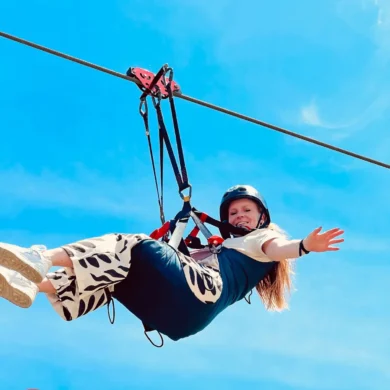 Zipline Sit Comfort Harness€ 557,00 Ex VAT
 -
 Superman Zipline Harness€ 499,00 Ex VAT
Establishing regular maintenance for zipline cables
Consistent course maintenance routines drastically reduce the risk of mid-air emergencies.
How should daily inspections be structured?
Staff must perform visual checks every morning to spot immediate wear or environmental damage on the cables. Documenting these daily checks is a mandatory step in proper zipline safety protocols. Finding a frayed wire before opening protects your visitors and your business reputation.
What components require weekly evaluations?
Checking pulleys, connections, and hardware for metal fatigue prevents mid-season equipment failures. These mid-level audits support your course maintenance routines by catching corrosion before it threatens structural stability. Consistently logging these weekly reviews protects operators from future liability claims.
When should you schedule professional third-party reviews?
While daily checks handle immediate issues, comprehensive annual professional inspections uncover microscopic metal fatigue or anchor shifting. Independent experts verify that your site aligns with the highest industry standards. These external audits are non-negotiable for updating your risk management effectively.
Training staff for aerial adventure safety
A highly trained team is your best defense against operational hazards.
What is the baseline for operator certification?
Mandatory operator certification guarantees that guides understand precise gear operation and hands-on rescue techniques. A knowledgeable team naturally enforces strict zipline safety protocols without compromising the guest experience. Continued education keeps staff sharp and ready to handle high-stress situations.
How does staff readiness boost operational efficiency?
Investing in continuous staff education yields measurable business improvements:
- Speeding up harnessing processes through confident gear handling.
- Maintaining flawless execution of daily risk management strategies.
- Increasing positive guest reviews by projecting professional authority.
Why are communication skills vital for operators?
Guides must relay clear instructions over long distances and loud environmental noise. Strong verbal command is a core component of effective aerial adventure safety because it keeps nervous guests calm. Confident communication prevents user errors right at the launch platform.
Creating emergency response plans for ziplines
Preparation for worst-case scenarios is the bedrock of aerial adventure safety.
How do you build a responsive emergency framework?
Park owners need comprehensive procedures detailing swift mid-line rescues and medical evacuations. Testing these strategies through scheduled drills ensures your zipline safety protocols actually work under pressure. A rapid, coordinated team response can prevent a minor incident from escalating into a major crisis.
Why is continuous drill practice vital for staff?
Simulating emergencies builds muscle memory, allowing guides to execute safe evacuation maneuvers automatically. When adrenaline spikes, staff rely entirely on practiced rescue steps rather than panicked guesswork. Regular training keeps the entire crew aligned on life-saving communication channels.
Advancing automatic braking systems and gear
Upgrading your hardware instantly elevates the reliability of your rider deceleration process.
How do modern brakes improve rider experiences?
Installing automatic braking systems removes the burden of manual stopping from the guest, ensuring consistent and comfortable deceleration. This technological upgrade is a massive leap forward for standard zipline safety protocols. It accommodates varying rider weights seamlessly while extending the lifespan of your trolleys.
What benefits do upgraded harnesses provide?
Modernizing your guest equipment offers distinct operational advantages:
- Reducing user error with fail-safe locking mechanisms.
- Integrating flawlessly with advanced aerial adventure safety hardware.
- Maximizing comfort so guests focus purely on the thrill.
Enhancing visitor education and safety awareness
An informed guest is a safe guest, making pre-flight education absolutely crucial.
What should a pre-flight safety briefing include?
Guides must clearly demonstrate proper riding posture, hand placement, and what to expect during deceleration. Engaging briefings ensure participants actively cooperate with your established zipline safety protocols. Clear communication up front eliminates confusion and prevents dangerous mid-ride behaviors.
How do demonstration lines prepare nervous riders?
Using a low-to-the-ground practice cable allows guests to test their riding posture and braking response safely. This hands-on practice embeds your aerial adventure safety expectations into their muscle memory before they hit extreme heights. It drastically reduces mid-ride panic and operational delays.
How do waivers reinforce participant responsibility?
Signing liability documents transparently outlines the inherent risks of aerial recreation for every visitor. This paperwork legally supports your operational rules by setting clear behavioral expectations. It establishes a mutual agreement that safety requires teamwork between the operator and the rider.
Prioritizing reliable zipline safety protocols transforms a risky outdoor attraction into a highly profitable business model. Operators who invest in rigorous training, advanced equipment, and daily inspections will consistently outpace competitors in both security and guest satisfaction. Commit to these fundamental practices to ensure every thrilling descent ends with a safe, smiling visitor.
-
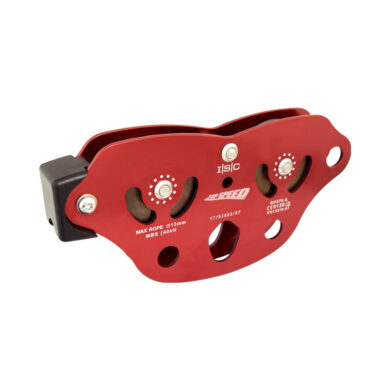 ISC ZipSpeed-L TrolleyPrice range: € 231,00 through € 326,00 Ex VAT
 -
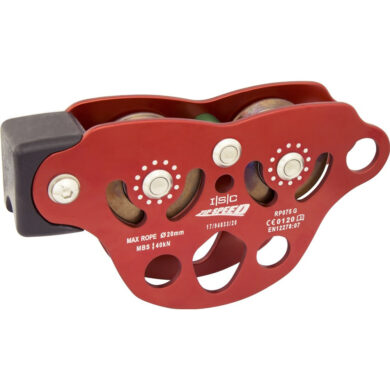 ISC Zipspeed-S TrolleyPrice range: € 191,00 through € 283,00 Ex VAT
 -
Product on sale
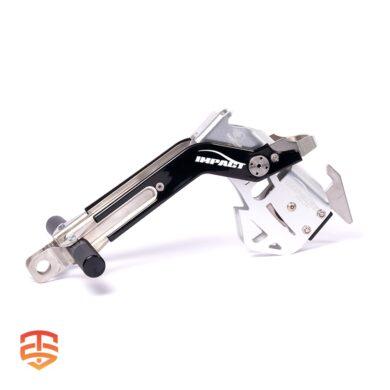 LightSpeed Impact Zip Line TrolleyPrice range: € 189,00 through € 369,00 Ex VAT
Frequent asked questions
What are the safety standards for zipline cable tension?
The ideal cable tension relies entirely on the length and expected weight load of the specific ride. Operators must calibrate lines precisely to match their internal aerial adventure safety guidelines and prevent dangerous sagging. Maintaining correct tension ensures riders arrive safely without losing momentum.
How often should zipline equipment be inspected?
Guides must perform daily visual checks on all cables, harnesses, and braking hardware before opening the course. Following strict zipline safety protocols also requires weekly, monthly, and comprehensive annual audits by independent professionals. Consistent documentation of these inspections is critical for maintaining long-term structural integrity.
What training is required for zipline operators?
Staff need extensive instruction in gear handling, guest communication, and rescue techniques. Securing an official operator certification ensures your guides can confidently manage high-stress environments. Well-trained personnel are the frontline defense against accidents and operational inefficiencies.
What emergency procedures should be in place for zipline accidents?
Facilities must establish actionable zipline safety protocols for mid-line rescues and rapid medical evacuations. Practicing these scenarios regularly ensures staff react instantly rather than hesitating during a crisis. Clear communication channels are vital for coordinating a swift and effective response.
How do weather conditions affect zipline operation?
High winds, lightning, and heavy rain drastically alter the braking dynamics and structural stress of the course. Operators must utilize live weather monitoring to know exactly when to suspend activities. Pausing operations during severe weather is a non-negotiable aspect of responsible risk management.
The Hardware Behind a Safe, High-Volume Zipline Operation
The products below are used and specified in the techniques described above. Click any item to explore full specifications and request a quote.
How Automatic Reset Braking Keeps High-Volume Ziplines Running
Magnetic eddy-current braking with automatic reset — ideal for high-throughput commercial courses where minimising staff intervention between riders matters.
Why Modular Spring Braking Is the Operator’s Safety Baseline
The modular go-to for operators who need reliable primary and emergency arrest capability. Configurable to your specific rider weight range and arrival speed.
What It Takes to Safely Stop a Rider Arriving at 72 km/h
Engineered for mega-ziplines running at up to 72 kph. The benchmark high-velocity arrest device for operators running the fastest commercial lines.
The Prone Position: How Superman Ziplines Demand Specialist Harnessing
The specialist prone harness for headfirst Superman configurations — redesigned for faster guest harnessing and a more comfortable ride position.
Trolley Longevity vs. Arrival Speed: Why You Don’t Have to Choose
Built to absorb the impact at landing without compromising speed on the line. The choice for courses where trolley longevity and smooth arrival are both non-negotiable.
Heavy Loads, Long Runs: Specifying Trolleys for Serious Commercial Operations
ISC’s large-capacity trolley for high-load commercial operations — built to the bearing quality and durability standards that serious operators expect.
Browse the full Zipline Safety Solutions range →
-
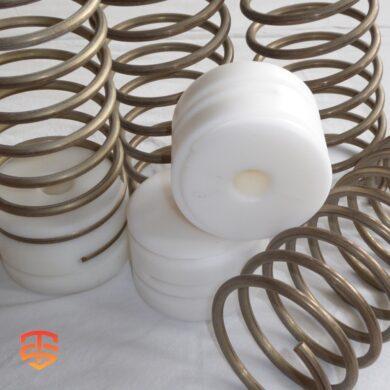 Zipline Spring Brake System | Primary & EAD Braking€ 90,00 Ex VAT
 -
Product on sale
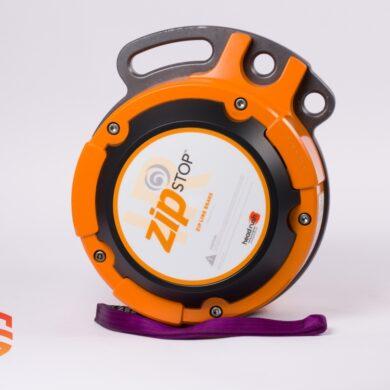 zipSTOP IR Zip Line Brake | Internal Reduction for High-Speed ArrivalPrice range: € 5.742,00 through € 5.894,00 Ex VAT
 -
Product on sale
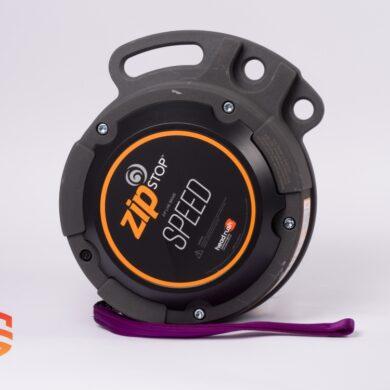 zipSTOP SPEED | High-Velocity Magnetic Braking SystemPrice range: € 6.198,00 through € 6.455,00 Ex VAT