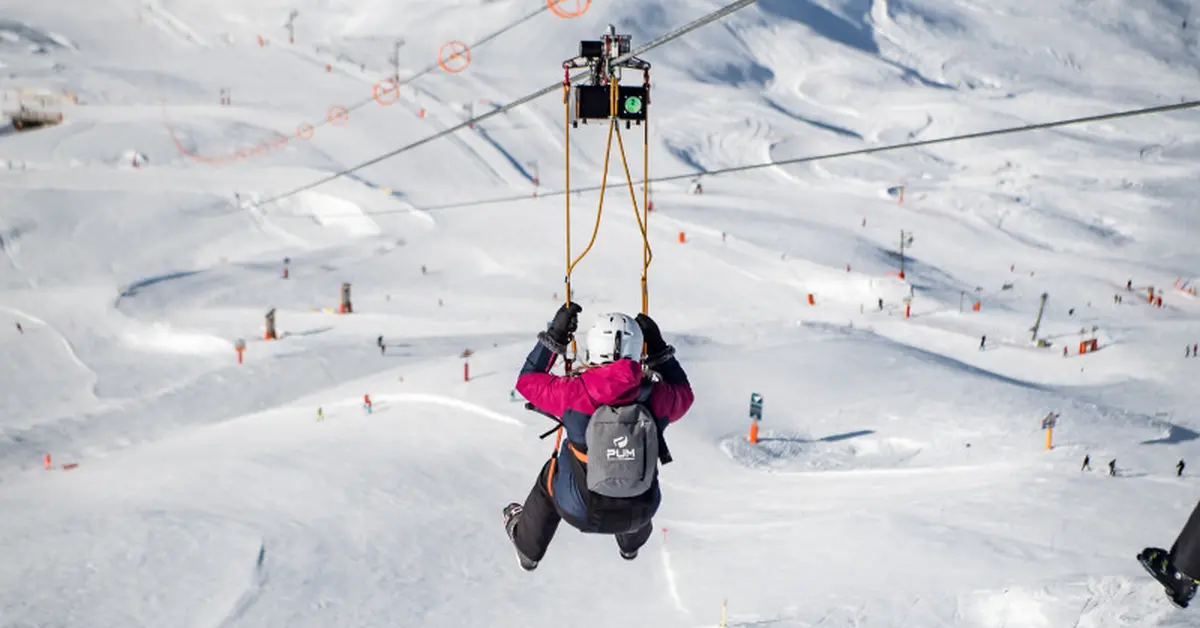
Zipline operators frequently face logistical hurdles involving manual gear retrieval and inconsistent arrival speeds. Moving equipment back to the launch point by hand is a labor-intensive process that creates bottlenecks and increases operating expenses. The development of a Speed-regulating zipline trolley addresses these challenges by integrating autonomous movement with intelligent energy management. This technology allows the device to control its own velocity during descent through friction while storing the generated energy to power its return journey. For a professional facility, this shift represents a move toward a more sustainable and efficient business model where throughput is maximized and manual retrieval is eliminated.
Automating Logistics and Eliminating Manual Retrieval
The primary advantage of autonomous technology in adventure parks is the elimination of manual labor dedicated to equipment handling.
Traditional operations require staff to spend significant time transporting trolleys and gear from the landing area back to the start point. By utilizing a Speed-regulating zipline trolley, the equipment can traverse the cable in both directions without human intervention. This self-retrieval capability streamlines the entire workflow and ensures that gear is always where it is needed.
- Autonomous systems free up staff to focus on guest engagement and safety rather than repetitive retrieval tasks.
- Continuous flow is achieved because the equipment can return to the launch point immediately after a rider dismounts.
- Point-to-point systems become much simpler to operate as there is no need for dedicated return paths or ground transportation for gear.
- The reduction in manual handling minimizes the potential for human error and equipment damage during transport.
- Operators can design more complex loop courses that provide a seamless adventure for the participants.
- High-capacity solutions allow for more participants to experience the course in the same timeframe.
Energy Harvesting through Friction-Based Braking
The engineering behind this autonomous system relies on converting mechanical resistance into usable power.
Unlike standard devices that rely purely on external braking, a Speed-regulating zipline trolley uses friction to regulate descent velocity. This internal resistance is engineered to function as a mobile generator. As the self‑braking zipline trolley maintains a safe speed for the rider, it stores the energy generated by that friction in an onboard battery system.
- Self-regenerative charging allows the device to complete numerous cycles without requiring an external power source.
- The system harnesses the weight difference between the downhill ride and the uphill return to manage energy reserves efficiently.
- Internal braking mechanisms ensure that every rider maintains a controlled speed even on steep or high-velocity lines.
- Programmable settings allow operators to customize the descent speed based on the specific requirements of the site.
- Motorized trolley components facilitate the automated return, even when hauling additional equipment.
- Advanced position detection ensures the trolley stops exactly where needed at both ends of the cable.
Enhancing Safety and System Durability
Safety is the cornerstone of risk management for any recreation business, and autonomous speed control provides a vital layer of protection.
A self‑braking zipline pulley ensures consistent arrival speeds regardless of external variables like wind or rider weight. Environmental factors can cause traditional trolleys to arrive too quickly, increasing the risk of impact injuries. Because the Speed-regulating zipline trolley automatically adjusts its resistance, it provides a safe arrival for every guest.
- Constant speed regulation ensures a predictable and safe landing for both children and adults regardless of weight.
- The internal braking mechanism reduces wear and tear on the main cable by eliminating harsh impact stops.
- Automation reduces the chance of human error during the critical landing and gear retrieval phases.
- Durable construction allows the device to handle heavy commercial use with minimal daily maintenance needs.
- Real-time data insights into usage patterns allow for more precise maintenance scheduling and proactive safety checks.
- Automatic braking systems engage consistently at both ends of the ride for maximum security.
Boosting Throughput and Revenue Potential
Improving the efficiency of a zipline operation is the most direct path to increasing a facility’s total revenue.
A Speed-regulating zipline trolley directly impacts profitability by increasing the number of participants a facility can handle per hour. Shorter turnaround times mean shorter lines for customers, leading to higher satisfaction and more frequent repeat visits. When retrieval bottlenecks are removed, the entire operation can function at a much higher capacity.
- Increased capacity allows the park to handle more guests during peak hours without adding more staff.
- Operating costs are significantly lowered by reducing the manpower required at landing platforms.
- Innovative technology serves as a unique selling point that helps a facility stand out in a competitive market.
- Higher profit margins are realized by cutting the labor and logistical expenses associated with traditional retrieval.
- A smoother, high-tech experience justifies premium pricing for the attraction compared to standard ziplines.
- The system allows for easier adaptation and expansion of the course as the business grows.
Self-Braking Speed-regulating zipline trolley
Adopting an autonomous Speed-regulating zipline trolley is a vital upgrade for professional operators who want to maximize facility efficiency. By utilizing the friction of the descent to power the return of the equipment, this technology creates a highly efficient and self-sufficient logistical cycle. The benefits go beyond simple automation; they include improved safety standards through consistent velocity control, higher guest throughput, and a significant reduction in operational overhead. In a modern recreation market, using a self‑braking zipline trolley allows a business to focus on delivering a superior guest experience while the technology handles the heavy lifting of gear logistics.
Contact us to discuss a tailored solution that uses programmable, autonomous technology to revolutionize your visitor experience!
Get in touch Today
FAQs
How does the trolley generate power for its return journey?
The device acts as a generator during the descent by using friction to regulate the rider’s speed. This mechanical resistance is converted into electrical energy and stored in an internal battery to power the motorized return trip.
Can the system transport additional equipment back to the start?
Yes, specific models are engineered for transporting both passengers and equipment. This means gear left at the landing platform can be retrieved automatically by the trolley, further reducing manual labor requirements.
Does the system work the same for riders of different weights?
The braking experience is self-regulating. The system automatically adjusts its internal resistance based on the momentum of the rider, ensuring that a lightweight child and a heavy adult both arrive at the landing zone at a consistent and safe speed.
How does this technology reduce staffing costs?
Because the Speed-regulating zipline trolley handles its own retrieval and speed management, the need for staff at the landing platform is greatly reduced. This allows facilities to run at much leaner ratios without compromising operational flow.
Is the autonomous trolley reliable in different weather conditions?
This technology is designed to maintain the programmed speed regardless of external factors like headwinds or wet cables. The internal braking mechanism provides predictable and safe arrivals throughout the entire operating day.
Beyond the Basics: Unveiling Zipline Technology with Expert Analysis
Intrigued by the potential of Zipline technology? You’ve come to the right place! This article provides a solid foundation. But if you’re eager to delve deeper and gain insights from industry experts, keep reading…
- Two-Way Adventure: Bi-Directional Zipline Trolley Solutions
- Considering operating and investing in a zipline?
- 9 Zipline Mistakes You Don’t Know You’re Making
- Magnetic Zipline Braking: A Revolutionary Way to Ensure Safe Rides
- Pros and Cons of Different Zip Line Brakes
- Maximizing Zip Wire Park Revenue with a Speed-regulating zipline trolley
- White Paper on Zipline Emergency Arrest Devices (EAD)
- The Importance of Optimizing Zip Line Design for Rider Speed
- Does your zip line need an emergency arrest device?
- The Magnetic Self-braking Zipline pulley
- Zipline Braking and landing considerations
- Why Zip Line Trolley Bearings Matter
- Whitepaper: Zipline Braking Dynamics
- Zip Line Installation: Give them the Best Ride
- How to startup a Successful Zip Line Business
-
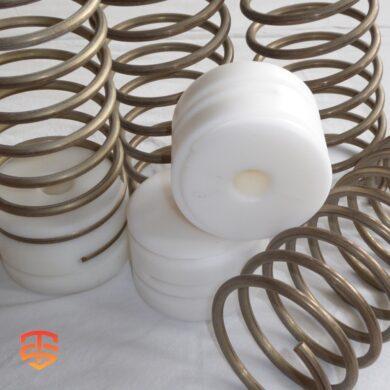
 Zipline Spring Brake System | Primary & EAD Braking€ 80,00 Ex VAT
 -
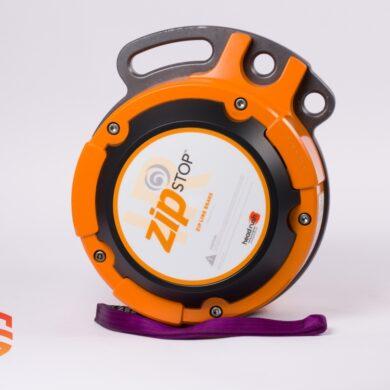
Product on salezipSTOP IR Zip Line Brake | Internal Reduction for High-Speed ArrivalPrice range: € 5.742,00 through € 5.894,00 Ex VAT
-
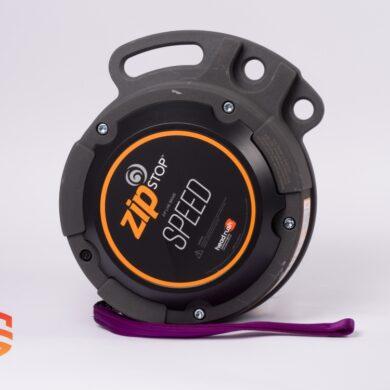
Product on salezipSTOP SPEED | High-Velocity Magnetic Braking SystemPrice range: € 6.198,00 through € 6.455,00 Ex VAT