
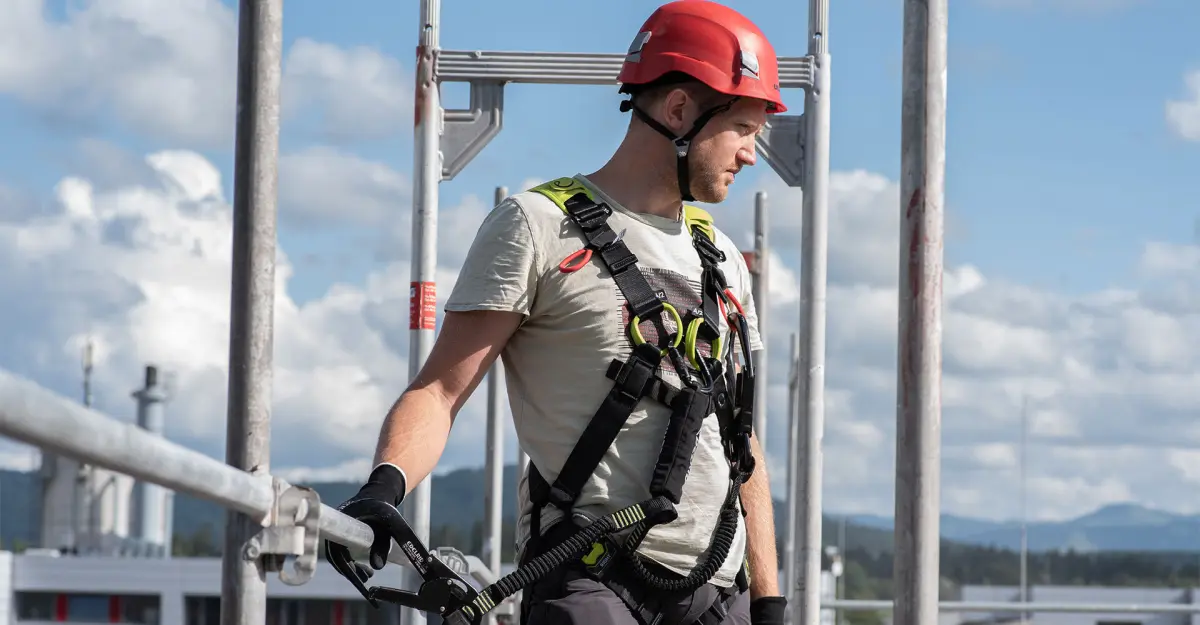
Working at height requires unwavering safety protocols, especially on elevated worksites. This guide covers the essential components of fall protection for scaffolding, ensuring worker wellbeing on any vertical project. We explore the critical elements of a personal fall arrest system (PFAS), including full-body harnesses, energy-absorbing lanyards, lifelines, and secure anchorage points. Beyond the PFAS, we also detail other crucial gear such as head and eye protection, safety footwear, and emergency rescue devices. Understand the equipment that works in unison to prevent accidents and create a secure work environment for your entire team.
Scaffolding construction presents a unique working environment, demanding a specific set of safety measures. When navigating this vertical work zone, personal fall protection equipment (PFPE) becomes paramount.
Fall Arrest Fundamentals
Personal fall arrest systems are the cornerstone of safety on scaffolding. These systems typically comprise several key components:
- Harnesses: These full-body harnesses (EN 361) distribute fall impact forces comfortably across the wearer’s thighs, chest, and shoulders. Look for features like breathable materials and adjustable straps to ensure a secure and comfortable fit throughout the workday.
- Lanyards: Connecting the harness to a secure anchorage point, lanyards (EN 354) come in various lengths and configurations to offer freedom of movement while arresting falls. Double lanyards provide an extra layer of redundancy in case one lanyard fails. Self-retracting lanyards automatically take up slack, reducing the risk of tripping and offering greater mobility.
- Lifelines: These anchor lines (EN 353-1) provide a connection point for lanyards, often used in conjunction with fall arresters for guided descent. They are particularly useful for horizontal movement along a structure.
- Connectors: These secure links (EN 362) seamlessly join harnesses, lanyards, and lifelines, ensuring a strong and reliable connection. Inspect connectors regularly for signs of wear and tear, and replace them when necessary.
- Anchorages: Scaffolding itself often serves as the anchorage point, with specific connection points designated by the manufacturer. Double-check the weight capacity of the chosen anchorage point to ensure it can safely support a fall.
-
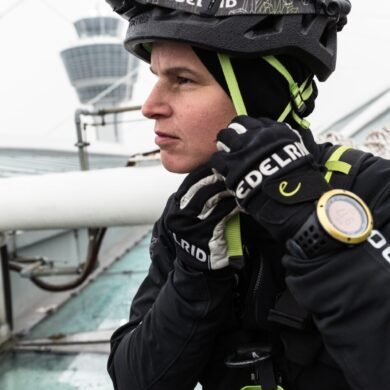 Edelrid SALATHE | Softshell helmet€ 77,00 Ex VAT
 -
 Edelrid OMBILIX ADJUST | Adjustable LanyardPrice range: € 85,00 through € 88,00 Ex VAT
 -
 Edelrid FLEX PRO | Full Body Harness€ 255,00 Ex VAT
Beyond the Fall Arrest System
Head protection is crucial, so a sturdy hard hat that meets EN 397 standards is essential. It should fit comfortably and securely to prevent slipping during movement. Safety glasses with side shields (EN 166) shield your eyes from debris, dust, and flying objects. Work gloves made from durable yet breathable materials protect hands from cuts, scrapes, and blisters common in construction work. Proper safety footwear with good tread and slip resistance (EN 347) is vital to prevent slips and falls on uneven surfaces.
Preparedness is Key
Working at heights demands a plan for emergencies. A first-aid kit stocked with essential supplies should be readily available to address minor injuries. Additionally, having a lifting rescue device on hand simplifies the safe retrieval of a fallen worker. Look for devices that are easy to use and require minimal training for bystanders.
-
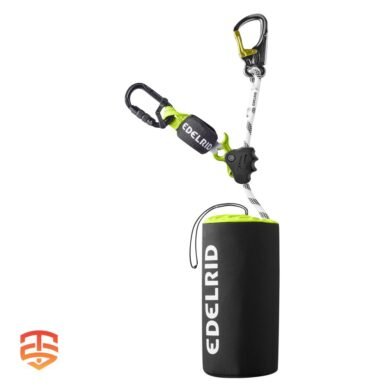 Edelrid OMBILIX 140 | Guided fall arresterPrice range: € 123,00 through € 157,00 Ex VAT
 -
 Edelrid Shockstop-I 140 Giant€ 108,00 Ex VAT
 -
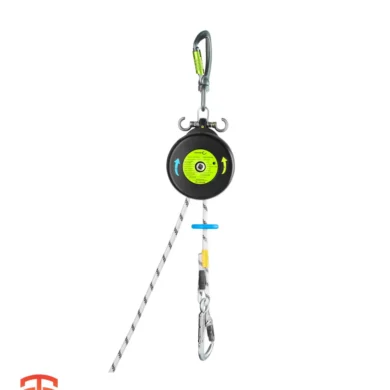 Edelrid Safe Descent Pro | Descent & Rescue devicePrice range: € 1.230,00 through € 1.777,00 Ex VAT
Remember:
- Regular training on the proper use and maintenance of PFPE is vital. This ensures workers understand how to inspect equipment for damage, wear it correctly, and perform rescue procedures.
- Scaffolding construction often requires specialized PFPE designed for the specific structure and working conditions. Consult with safety professionals or equipment manufacturers to ensure you have the right gear for the job.
- Always follow the manufacturer’s instructions for safe use of all equipment. Routine inspections and proper storage are essential to maintaining the integrity and effectiveness of your PFPE.
By incorporating these safety measures and prioritizing ongoing training, professional scaffolders can navigate this vertical world with confidence, ensuring a safe and productive work environment for themselves and their colleagues.
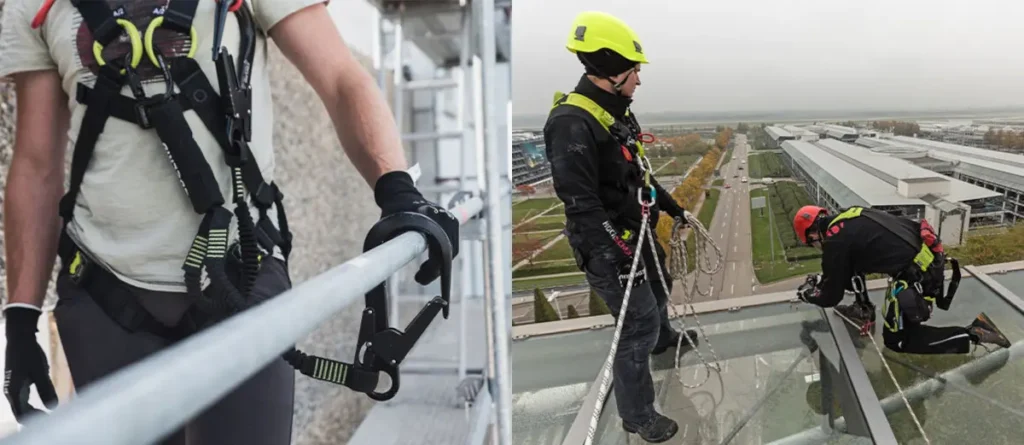
The Equipment Professionals Depend On When Working at Height
The gear discussed in this article is used by professionals operating at height, in rescue roles, and in technical environments where certified equipment is a non-negotiable. Explore each category to find what your work demands.
What Separates Professional Safety Gear From Adventure Park Equipment
Work-at-height and rescue gear operates under EN 363 and IRATA standards that differ from EN 15567 — different certification scope, inspection intervals, and load assumptions. Browse the full professional equipment range.
The Fall Arrest Decision: Why the Right Arrester Determines How a Rescue Begins
A fall arrester that locks on a dirty or wet rope under real load behaves differently to one tested in ideal conditions. Browse certified fall arresters rated for the environments your team works in.
Controlled Descent: Matching the Device to the Rescue Scenario
From single-person self-rescue to two-person load scenarios — descent device selection affects not just safety but speed of evacuation. Explore certified descenders for professional and rescue use.
Work Safety Harnesses: Why the Fit and Suspension Tolerance Matter More Than the Label
A harness that passes EN 361 may still cause suspension trauma in an arrest event if the fit is wrong for the wearer. Browse work safety harnesses built for extended wear, restricted access, and fall arrest compliance.
Lanyards for Working at Height: The Case for Adjustable Over Fixed
Fixed lanyards create slack in certain working positions; adjustable lanyards eliminate it. Browse work lanyards designed for the range of postures, anchor heights, and movement patterns your team encounters on site.
Canyoning Equipment: Where Technical Performance Meets Wet, Abrasive Conditions
Canyoning places different demands on harnesses, descenders, and ropes than most vertical environments — prolonged water exposure, abrasive rock, and loaded rope handling under guide supervision. Explore technical canyoning gear.
Browse all Professional Safety Equipment →
-
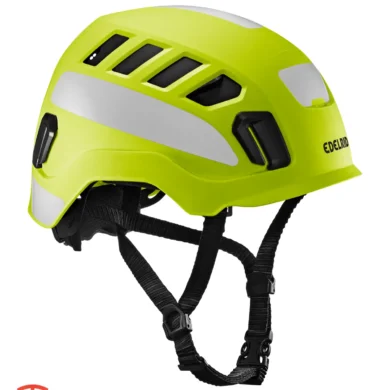 Edelrid Tectum Air Professional Work Safety HelmetPrice range: € 66,00 through € 69,00 Ex VAT
 -
Edelrid Safe Descent Pro | Descent & Rescue devicePrice range: € 1.230,00 through € 1.777,00 Ex VAT
-
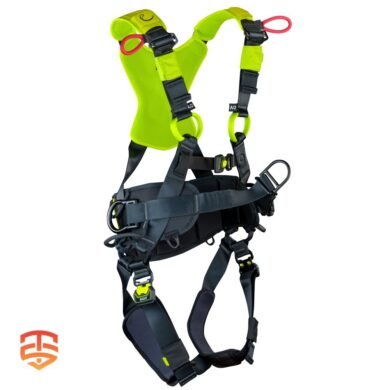 Edelrid FLEX PRO PLUS | Full Body Harness€ 240,00 Ex VAT