Implementing reliable zipline safety solutions is the foundation of any highly successful and profitable adventure park operation. Our advanced systems replace outdated friction methods with self-regulating magnetic deceleration to dramatically reduce liability and staff workload. Park operators can now secure a seamless, high-throughput experience from dispatch to the landing zone.
Why modern operations require dedicated safety systems
Upgrading outdated infrastructure is the fastest way to improve both safety and daily profitability.
What are the best zipline safety solutions?
The best zipline safety solutions prioritize predictable rider deceleration without relying on human intervention. Park owners see immense value when utilizing self-regulating magnetic systems to ensure consistent stops regardless of rider weight. This technology forms the backbone of reliable outdoor recreation facilities.
How do outdated methods limit high-throughput courses?
Old friction brakes require constant adjustments and heavily slow down operations on high-throughput courses. Relying on staff to manually brake riders introduces unnecessary liability risks and frequent bottlenecks at the landing platform. Modern zipline safety solutions eliminate these manual chokepoints entirely.
Why is self-regulating deceleration crucial for operators?
Self-regulating deceleration automatically adjusts to the kinetic energy of each incoming rider. This guarantees a smooth and controlled stop for children and heavy adults alike without requiring equipment swaps. Consistent stopping dynamics directly increase overall customer satisfaction.
How does upgraded hardware reduce staff workload?
Installing premium deceleration gear frees up guides to focus on customer service rather than physical braking tasks. Employees experience significantly less physical fatigue during busy summer peak seasons. A rested staff creates a much safer and more engaging park environment.
The power of magnetic braking zipline stop systems
Innovative magnetic technologies are changing how aerial adventure parks manage risk and throughput.
How do magnetic braking zipline stop systems work?
Magnetic braking zipline stop systems use eddy currents to create frictionless, opposing drag against the moving trolley. The faster a rider approaches, the stronger the magnetic resistance becomes to slow them down smoothly. This completely contactless process prevents heat buildup and mechanical wear.
What makes magnetic braking ideal for heavy usage?
Because there are no sacrificial wear parts grinding together, magnetic units easily handle thousands of consecutive cycles. High-volume operators rely on these zipline safety solutions to maintain uninterrupted dispatch rates all day long. Less downtime means more ticket sales and higher revenue.
Why are friction-based stops becoming obsolete?
Friction pads degrade rapidly and require frequent, costly replacements throughout the operating season. Advanced braking technology provides a superior total cost of ownership by eliminating these constant consumable expenses. Operators are actively phasing out friction rigs to stabilize their maintenance budgets.
How does climate impact magnetic braking performance?
Unlike traditional pads that lose grip when wet, magnetic resistance functions perfectly in rain, snow, or extreme heat. This weather independence ensures your zipline safety solutions deliver predictable deceleration dynamics in unpredictable environments. Parks can safely stay open longer when storms threaten the area.
-
 Zipline TYRO Sit-harness€ 299,00 Ex VAT
 -
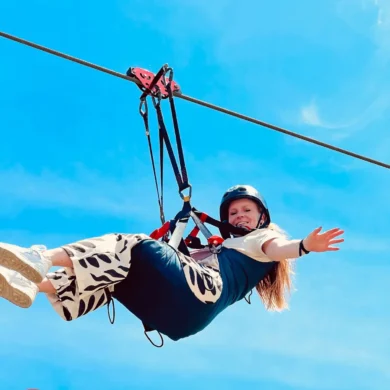 Zipline Sit Comfort Harness€ 557,00 Ex VAT
 -
 Superman Zipline Harness€ 499,00 Ex VAT
Upgrading legacy courses with zip wire braking systems
You do not need to rebuild your entire park to benefit from modern deceleration technology.
Why should operators buy a zip wire braking system?
Operators looking to buy a zip wire braking system want to modernize older lines without the expense of full reconstruction. Retrofitting your current setup with advanced zipline safety solutions instantly boosts hourly throughput capacity. It is a highly efficient way to modernize legacy infrastructure.
How does a zipline spring brake enhance landing zones?
A zipline spring brake serves perfectly as both an emergency arrest device and a primary stopping mechanism for moderate-speed lines. This heavy-duty compression spring absorbs kinetic energy directly to ensure riders experience a smooth, mechanical deceleration at the platform. Integrating these durable components into your zipline safety solutions provides a reliable failsafe that requires absolutely zero reset time.
Can modern components fit existing park anchor points?
Yes, premium hardware is specifically engineered to mount easily onto traditional wooden poles or steel structures. This flexibility means implementing new zipline safety solutions requires minimal structural modification to your current landing zones. Your engineering team can complete the installation quickly.
How do retrofits improve the rider experience?
Adding a modern magnetic catch eliminates the jarring, whiplash-inducing stops common on older courses. Guests enjoy a gentle, confidence-inspiring arrival that leaves them eager to ride again. High-quality zipline safety solutions directly translate into positive online reviews.
What is the return on investment for course upgrades?
By reducing consumable parts and speeding up cycle times, retrofitted hardware pays for itself rapidly. A faster queue means higher daily rider volumes and dramatically improved operational margins. You will notice the financial impact during the first busy weekend.
Integrating continuous belay-compatible zipline safety systems
Seamless movement between obstacles and flight lines maximizes the fluidity of your park.
Are continuous belay systems compatible with zipline safety solutions?
Yes, integrating continuous belay hardware with modern deceleration units creates a flawless safety loop for guests. These unified zipline safety solutions ensure riders never detach from the lifeline during complex course transitions. This closed-loop approach is the gold standard for aerial operations.
How does continuous belay hardware simplify park layouts?
Using universal hardware allows designers to seamlessly connect rope elements directly to flight platforms. These continuous belay-compatible zipline safety systems reduce the need for cumbersome transfer stations and extra staffing. The result is a cleaner, more intuitive park design.
Why do unified systems lower staff training overhead?
When safety protocols rely on a single, unified hardware ecosystem, new employees learn the procedures much faster. Implementing integrated zipline safety solutions creates a standardized operational language across the entire facility. Training costs drop while staff competency reaches new heights.
How do seamless transitions improve visitor throughput?
Guests move independently through the course without waiting for a guide to unclip and reclip their harnesses. These streamlined zipline safety solutions eliminate frustrating platform bottlenecks during peak operating hours. Faster guest progression means you can sell more time slots daily.
-
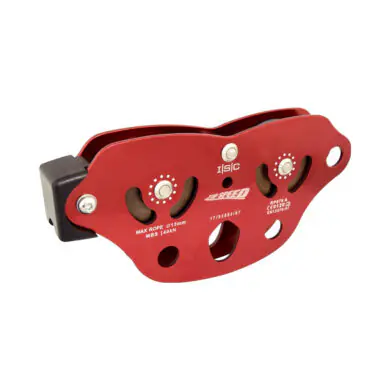 ISC ZipSpeed-L TrolleyPrice range: € 231,00 through € 326,00 Ex VAT
 -
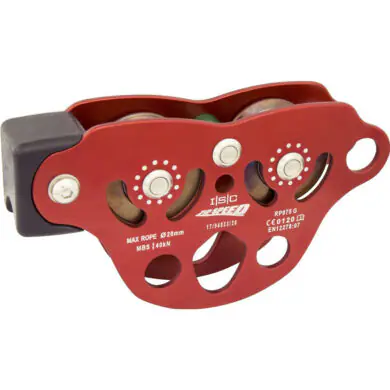 ISC Zipspeed-S TrolleyPrice range: € 191,00 through € 283,00 Ex VAT
 -
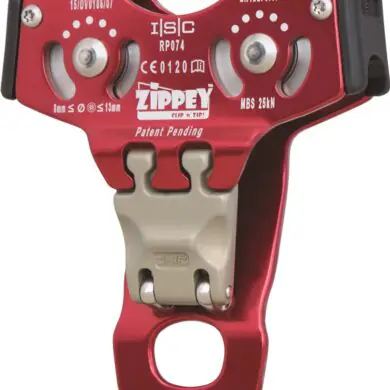 ISC Zippey Clip’n’Zip TrolleyPrice range: € 174,00 through € 266,00 Ex VAT
Choosing low-maintenance equipment for extreme climates
Durable components guarantee that your operation keeps running when environmental conditions become challenging.
How do zipline safety solutions improve throughput in bad weather?
Reliable zipline safety solutions operate consistently even when cables get slick from sudden downpours. High-quality magnetic braking zipline stop systems maintain exact stopping distances, allowing operations to continue safely. You never have to shut down simply because the hardware got wet.
Why is moisture resistance critical for braking cables?
Water intrusion quickly causes rust and dangerous degradation inside standard steel cables and moving parts. Industry-leading zipline safety solutions utilize sealed bearings and marine-grade alloys to block out moisture entirely. This protection prevents catastrophic failures on high-tension components.
What materials prevent severe UV degradation?
Constant sun exposure destroys cheap plastics and weakens vital safety lanyards over a single season. The best outdoor hardware features anodized aluminum and UV-stabilized polymers designed for relentless solar radiation. Your equipment will look and perform like new for years.
How do operators minimize unscheduled maintenance downtime?
Purchasing rugged zipline safety solutions significantly reduces the likelihood of mid-day equipment failures. Scheduled, predictive maintenance replaces hectic emergency repairs when you use professional-grade continuous belay hardware. Predictability is the key to running a stress-free recreational facility.
The importance of global supply and operational support
Purchasing top-tier hardware is only the first step in building a resilient adventure business.
Why source zipline safety solutions from proven providers?
Established manufacturers offer rigorously tested equipment that meets strict international safety standards. Partnering with industry leaders ensures your zipline safety solutions possess documented track records of success. You are buying operational peace of mind alongside the hardware.
How do accessible spare parts prevent operational delays?
A reliable supplier keeps critical replacement components in stock for immediate overnight shipping. This vital logistical support means your zipline safety solutions experience virtually zero prolonged downtime during emergencies. A broken trolley will never close your most popular ride again.
What role do annual hardware inspections play?
Routine evaluations by certified technicians guarantee your braking hardware operates within acceptable engineering margins. Professional audits identify microscopic wear patterns, allowing you to execute proactive component replacements safely. These inspections are mandatory for maintaining liability insurance coverage.
How does an auditable safety architecture protect operators?
Using cohesive zipline safety solutions provides a clear paper trail of maintenance, training, and operational compliance. This comprehensive documentation offers vital legal protection should an incident ever occur on your property. Regulators prefer parks that utilize unified, easily traceable safety ecosystems.
Planning a zipline installation? Need expert advice on zipline design?
Get started Today
Preparing your park for next-generation visitor demands
The outdoor recreation industry is evolving rapidly, and facility infrastructure must keep pace.
Why should operators buy a zipline braking system today?
Modern guests expect smooth, thrilling rides without the anxiety of manual hand-braking procedures. When you buy a zipline braking system equipped with magnetic technology, you deliver a frictionless, premium experience. Upgrading your zipline safety solutions is an immediate competitive advantage.
How do modern systems scale with increased foot traffic?
As your marketing succeeds and visitor numbers surge, your baseline infrastructure must handle the extra load effortlessly. Scalable zipline safety solutions process high volumes by resetting instantly after every single catch. Your capacity grows naturally alongside your business success.
What are the advantages of proactive safety upgrades?
Updating your facility infrastructure provides multiple compounding benefits for your entire organization.
- Reduces insurance premiums through documented risk mitigation.
- Decreases staff turnover by eliminating physically demanding tasks.
- Boosts marketing potential by advertising state-of-the-art rider safety.
How do zipline safety solutions drive long-term profitability?
Investing in robust deceleration platforms limits ongoing repair costs and prevents disastrous operational pauses. Maximized throughput combined with minimal maintenance yields the highest possible profit margins for aerial parks. Smart operators view safety hardware as a direct revenue generator.
Securing your park future requires investing in dependable infrastructure that prioritizes both rider experience and operational efficiency. By implementing advanced zipline safety solutions, operators can confidently handle massive crowds while severely reducing long-term maintenance costs. Upgrade your facility today to experience smoother operations and unmatched profitability.
Frequent asked questions
What are the best zipline safety solutions?
The most reliable zipline safety solutions utilize magnetic eddy current technology to slow riders down. This method provides frictionless, self-regulating deceleration that adapts instantly to any rider weight. Operators prefer them because they drastically reduce ongoing maintenance needs.
How do magnetic braking zipline stop systems work?
These units use opposing magnetic fields to create a powerful drag effect against the incoming trolley. The faster a person travels, the stronger the stopping force becomes before bringing them to a gentle halt. They are a critical component of modern automated deceleration architecture.
Why should operators buy a zip wire braking system?
Operators should buy a zip wire braking system to replace outdated friction pads that heavily slow down park operations. Upgrading ensures a smooth, automated catch that frees up staff to focus purely on customer service. It is a vital step for scaling high-throughput adventure courses.
How do zipline safety solutions improve throughput?
Advanced equipment resets automatically and requires zero manual adjustment between different riders. These modernized zipline safety solutions eliminate frustrating landing zone bottlenecks and keep the queue moving rapidly. Higher throughput leads directly to increased daily ticket revenue.
Are continuous belay systems compatible with zipline safety solutions?
Yes, premium continuous belay systems integrate perfectly with modern braking hardware to form a closed safety loop. This combination guarantees that visitors remain securely attached at all times during their aerial adventure. It represents the highest standard in professional park safety design.