For any adventure park or facility operator, safety and compliance are paramount. This guide explains the importance of professional annual ropes course inspections in maintaining a safe environment for guests and staff. We break down the comprehensive process, from meticulous visual checks and functional testing of every component to advanced techniques like Magnetic Rope Testing (MRT) for internal cable analysis. Understand what certified inspectors look for, the standards they follow (like EN 15567), and how regular inspections enhance safety, extend equipment life, and reduce your liability. Ensure your operation remains a trusted destination for adventure.
Why Are Annual Ropes Course Inspections Important?
Think of your body as a finely tuned machine. Just like a car needs regular maintenance to keep it running smoothly, ropes courses require thorough inspections to identify potential problems before they morph into safety hazards. Imagine a worn-out cable snapping mid-zipline – not exactly the kind of thrill you signed up for!
Annual inspections are like a comprehensive health check for your ropes course. They ensure everything – from the metal carabiners to the wooden platforms – is in tip-top shape. This not only protects participants but also gives operators peace of mind, knowing they’re providing a safe and enjoyable experience.
What Happens During an Annual Ropes Course Inspection?
Picture a team of highly trained inspectors meticulously combing over every inch of your ropes course. They’re not just looking for obvious damage; they’re like detectives searching for hidden clues that could indicate potential problems. Here’s a breakdown of what they typically focus on:
- Visual Inspection: This eagle-eyed assessment involves looking for signs of wear and tear on cables, ropes, platforms, and other components. A frayed rope or a rusty carabiner could be a red flag that needs immediate attention.
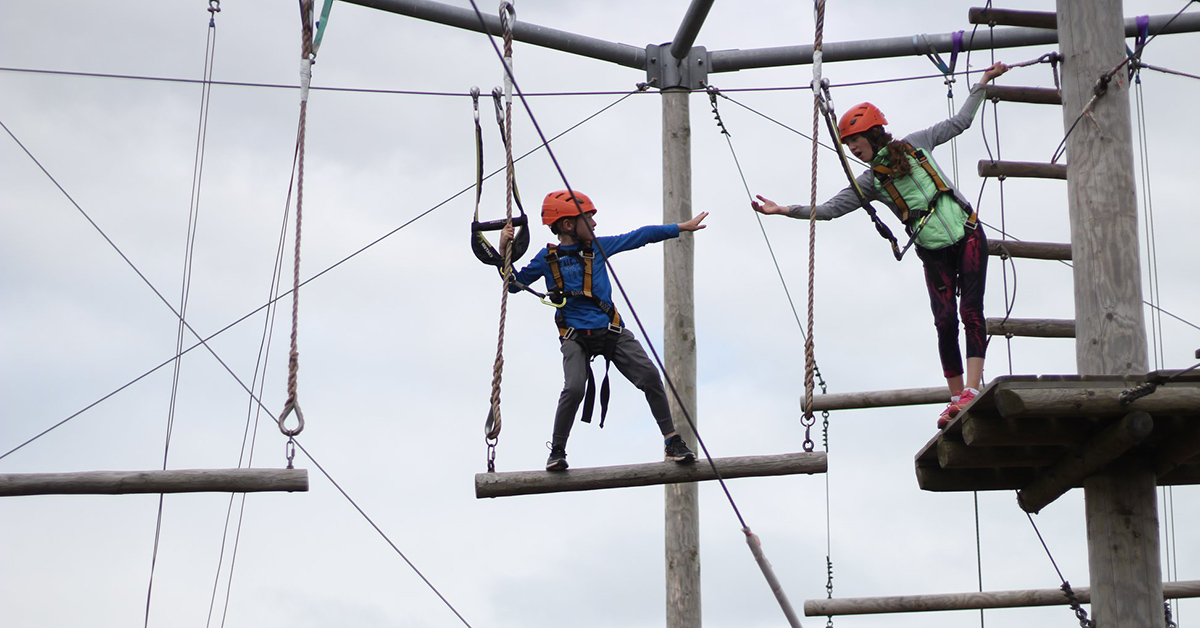
- Functional Testing: Imagine the inspectors putting themselves in your shoes – literally! They’ll test each element of the course, ensuring everything operates smoothly and safely. This could involve climbing walls, navigating bridges, and even ziplining to assess functionality firsthand.
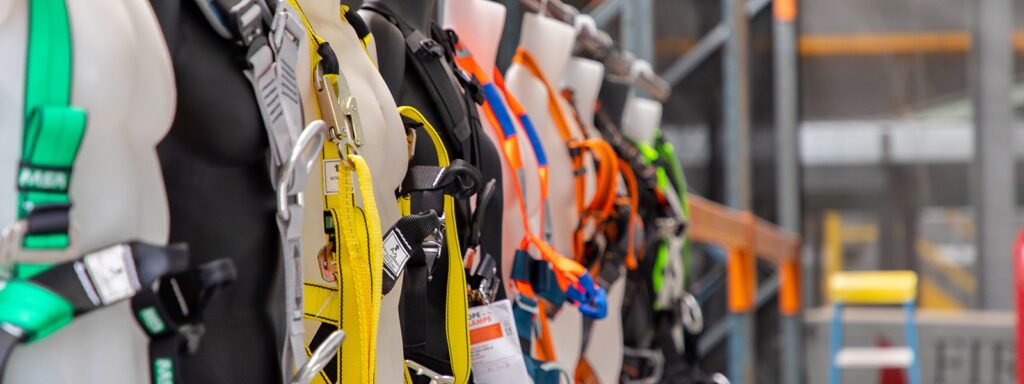
- Component Assessment: Not all heroes wear capes; some wear tool belts! Inspectors meticulously examine each component, from carabiners and lanyards to harnesses and pulleys. They ensure everything meets the required safety standards and hasn’t exceeded its lifespan.
- Documentation Review: Paperwork isn’t always boring! Inspectors review maintenance logs and operational procedures to ensure everything is being followed correctly. This paperwork trail is crucial for maintaining a safe and compliant ropes course.
Beyond the Basics: Advanced Inspection Techniques
The world of ropes course inspection doesn’t stop at visual checks and functional tests. Advanced technologies are also employed to ensure maximum safety. Here are a couple of cutting-edge tools inspectors might use:
- Magnetic Rope Testing (MRT): Imagine having a superpower that allows you to see through metal! MRT is a non-destructive technique that peeks inside wire ropes, revealing any hidden damage or internal corrosion that could compromise their strength.
- Resistograph: Trees are the silent giants that often support ropes courses. The Resistograph is like a lie detector for wood, uncovering any hidden decay or weakness within the tree that could affect its structural integrity.
Who Can Conduct Annual Ropes Course Inspections?
Just like brain surgery requires a qualified neurosurgeon, annual ropes course inspections demand expertise. These inspections should only be conducted by certified and competent inspectors who possess in-depth knowledge of ropes course safety standards and regulations. Look for inspectors who are familiar with EN 15567, the European standard for ropes courses, and LOLER (Lifting Operations and Lifting Equipment Regulations) for ultimate peace of mind.
Keeping the Fun Flowing: Benefits of Regular Inspections
Annual inspections are more than just a box-ticking exercise. They offer a multitude of benefits for both ropes course operators and participants:
- Enhanced Safety: Regular inspections minimize the risk of accidents and injuries, ensuring everyone can enjoy the ropes course experience without unnecessary worry.
- Peace of Mind: Operators can rest assured that their course is safe and compliant, allowing them to focus on providing a fantastic experience for their guests.
- Extended Equipment Life: Identifying and addressing minor issues early on helps prevent major breakdowns and costly repairs, extending the lifespan of your ropes course equipment.
- Reduced Liability: Regular inspections demonstrate a commitment to safety, potentially mitigating legal issues in the unfortunate event of an accident.
Frequently Asked Questions (FAQs)
1. How often should ropes courses be inspected?
In addition to annual inspections, ropes courses also require routine visual checks before each use and operational inspections every 1-3 months.
2. What happens if an issue is found during an inspection?
The inspector will provide a detailed report outlining the problem and its severity. Depending on the issue, the course element might need to
be temporarily closed for repairs or replacement. Safety always comes first!
3. Can I conduct my own ropes course inspections?
While it’s commendable to be proactive about safety, annual inspections should only be conducted by certified and qualified inspectors. They possess the necessary expertise, tools, and experience to identify potential problems that might go unnoticed by an untrained eye.
4. What are the qualifications of a competent ropes course inspector?
Look for inspectors who have undergone rigorous training and hold certifications in ropes course safety standards like EN 15567. Additionally, experience in construction, training, and operations is a valuable asset, ensuring a comprehensive inspection.
5. How much do annual ropes course inspections cost?
The cost of an inspection can vary depending on the size and complexity of your ropes course. However, consider it an investment in the safety and well-being of your participants, as well as the long-term health of your equipment.
Conclusion
Annual ropes course inspections are the cornerstone of a safe and thrilling ropes course experience. They’re like invisible safety nets, ensuring everyone can enjoy the adrenaline rush without compromising safety. By partnering with qualified inspectors and embracing regular inspections, ropes course operators can create an environment where fun and safety go hand-in-hand, allowing participants to conquer challenges and create lasting memories – one exhilarating climb at a time.
The Systems and Equipment That Make Commercial Ropes Courses Work
The systems and gear discussed above are used daily on professional ropes courses worldwide. Explore each category to find what fits your course design and operational requirements.
Choosing the Right Belay System: What Every Ropes Course Operator Should Understand
Your belay system is the backbone of your course — it determines throughput, staff requirements, and the guest experience from start to finish. Browse the full range of certified commercial belay solutions.
How Smart Belay Technology Eliminates the Most Common Ropes Course Safety Gap
Edelrid Smart Belay systems use a magnetic gate mechanism that keeps participants clipped in at every transfer point — removing the window of unclipped exposure that traditional systems leave open.
Continuous Belay Explained: Why High-Volume Courses Are Making the Switch
A continuous belay system keeps guests permanently connected as they move through the course — eliminating clip transfers entirely and dramatically reducing the need for staff supervision at each element.
When Things Go Wrong at Height: Descent and Rescue Equipment for Ropes Course Operators
Every professional course needs a credible rescue plan. Explore descent and rescue devices designed for the controlled, efficient extraction of a stuck or incapacitated participant at any point on the course.
Fit, Comfort and Throughput: Why Harness Choice Affects More Than Just Safety
A harness that fits poorly slows your harnessing station, generates complaints, and creates adjustment problems on course. Browse commercial ropes course harnesses built for speed, fit range, and all-day guest comfort.
The Helmet Conversation: What Operators Get Wrong When Specifying Head Protection
Not all helmets meet the lateral impact standards required for ropes course use. Explore certified ropes course helmets that cover the right certification standards, fit a wide head size range, and hold up to commercial rental cycles.
Browse all Ropes Course Equipment →
-
 LockD Clips Swivel | Continuous Self-Belay€ 389,00 Ex VAT
 -
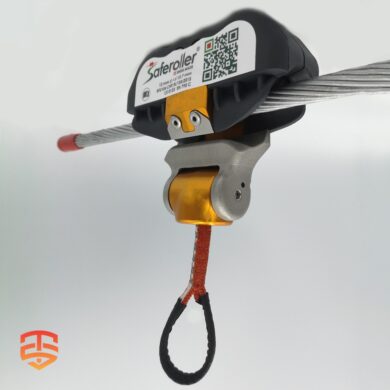 Saferoller Trolley V3 (PPE)Price range: € 245,00 through € 260,00 Ex VAT
 -
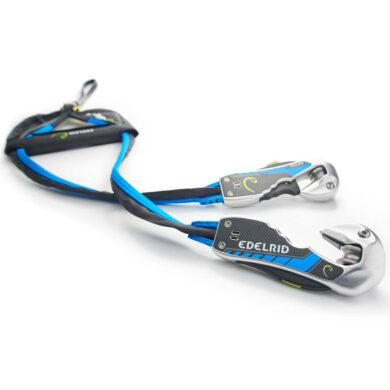 Edelrid Smart Belay X | Intelligent Smart Belay SystemPrice range: € 544,00 through € 623,00 Ex VAT