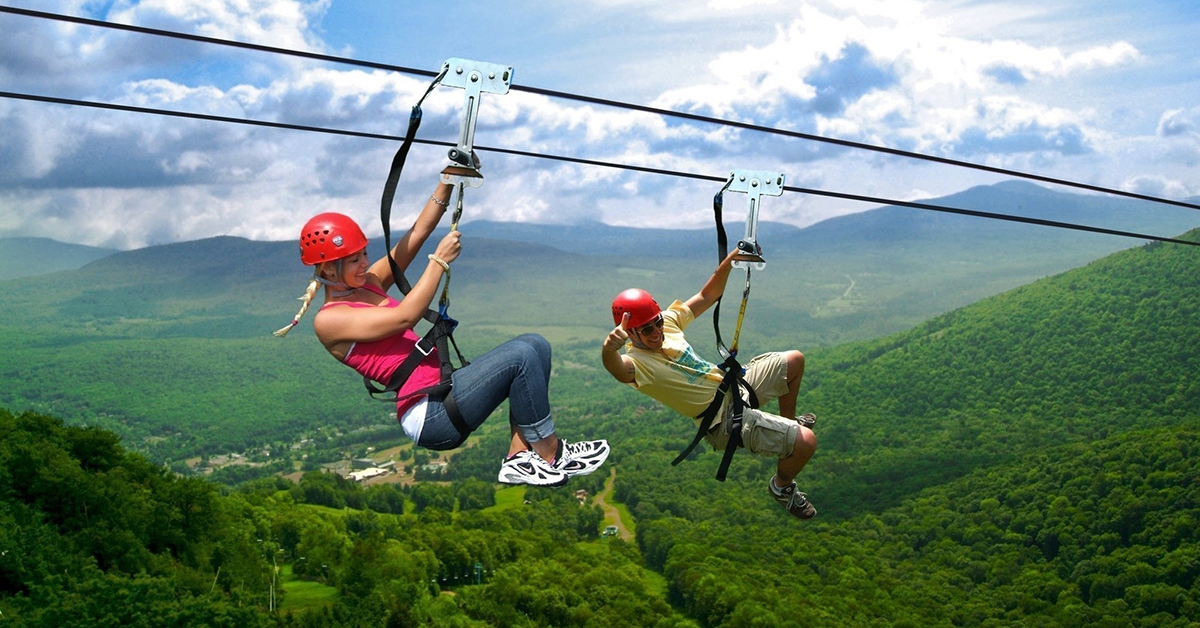
Zip lines have become a staple attraction at ski resorts, zoos, amusement parks, and even cruise ships, offering thrills to a wide range of consumers. As the popularity of zip lines has grown, so too has the focus on safety, particularly concerning braking systems. These systems have evolved significantly, driven by industry standards, regulations, and the need for effective, high-throughput solutions.
The Evolution of Braking Systems
In recent years, regulations have increasingly required both primary and backup braking systems in commercial zip line installations. This dual-braking approach aims to enhance safety and reliability, spurring innovation within the industry.
Operators and builders have learned much from years of experience and growing knowledge bases, leading to significant advancements. The higher volume of users and increased regulation have contributed to safer and more efficient braking systems.
Active Braking Systems
Active braking, where the rider or guide is directly involved in the braking process, was the norm in the early days of zip lining. This typically involved hand braking, where the rider uses a gloved hand to press down on the cable, or guide-activated systems. While active braking remains popular in some settings, its use has diminished in favor of passive systems due to safety concerns.
Some proponents of active braking argue that it enhances the interactive nature of the zip line experience. Guides and riders often enjoy the hands-on involvement. However, the inherent risks, such as the potential for injury when a rider is traveling at high speeds and manually braking, have led to a shift towards passive systems.
Passive Braking Systems
Passive braking systems automatically slow the rider without requiring manual intervention. These systems have gained favor due to their ability to remove the decision-making process from the rider, thereby reducing the risk of human error.
Eddy current magnetic braking is a widely adopted passive braking technology. This system uses magnetic forces to slow the rider, providing a consistent and reliable braking force. The advantages include a longer lifespan for components and reduced maintenance compared to friction-based systems.
Spring Brakes and Versatile Solutions
Spring brakes are another common type of passive braking system. They use a series of springs to slow the rider upon impact. While effective, spring brakes can cause riders to rebound, which might necessitate additional time for retrieval. Despite this, they are often used as secondary, or emergency, braking systems.
Manufacturers offer a range of braking solutions tailored to various zip line setups. The choice of braking system depends on factors such as expected landing speed, available space for braking, type of trolley, and budget considerations.
The Role of Backup Brakes
Backup, or emergency, brakes are crucial for enhancing the safety of zip lines. These systems must be fail-safe or incorporate redundancy to ensure they function reliably in case the primary brake fails. The design and implementation of backup brakes vary, but they are a standard requirement in many commercial operations.
Self-retracting lanyards (SRLs) and shock packs are commonly used as backup systems. These devices are engineered for specific installations and offer an additional layer of safety.
Future Innovations in Zipline Braking
The zip line industry continues to evolve, with future innovations promising to enhance safety and user experience. Concepts such as curved zip lines, speed control systems, and advanced braking technologies are on the horizon. These innovations aim to provide more thrilling and diverse experiences while maintaining high safety standards.
For example, speed restriction technologies and dynamically controlled trolley brakes are being developed to offer consistent riding experiences and increased safety. The industry is also exploring solutions that allow for more complex zip line courses, such as those with turns and variable gradients.
Conclusion
The evolution of zip line braking systems reflects the industry’s commitment to safety and innovation. As passive braking systems become more prevalent, they offer reliable and low-maintenance solutions that enhance user safety. Active braking, while still valued for its interactive nature, is being gradually phased out in favor of more automated systems. With ongoing advancements and regulatory support, the future of zip line braking looks promising, offering safer and more exciting experiences for all.
Planning a zipline installation? Need expert advice on zipline design?
Get started Today
The Hardware Behind a Safe, High-Volume Zipline Operation
The products below are used and specified in the techniques described above. Click any item to explore full specifications and request a quote.
How Automatic Reset Braking Keeps High-Volume Ziplines Running
Magnetic eddy-current braking with automatic reset — ideal for high-throughput commercial courses where minimising staff intervention between riders matters.
Why Modular Spring Braking Is the Operator’s Safety Baseline
The modular go-to for operators who need reliable primary and emergency arrest capability. Configurable to your specific rider weight range and arrival speed.
What It Takes to Safely Stop a Rider Arriving at 72 km/h
Engineered for mega-ziplines running at up to 72 kph. The benchmark high-velocity arrest device for operators running the fastest commercial lines.
The Prone Position: How Superman Ziplines Demand Specialist Harnessing
The specialist prone harness for headfirst Superman configurations — redesigned for faster guest harnessing and a more comfortable ride position.
Trolley Longevity vs. Arrival Speed: Why You Don’t Have to Choose
Built to absorb the impact at landing without compromising speed on the line. The choice for courses where trolley longevity and smooth arrival are both non-negotiable.
Heavy Loads, Long Runs: Specifying Trolleys for Serious Commercial Operations
ISC’s large-capacity trolley for high-load commercial operations — built to the bearing quality and durability standards that serious operators expect.
Browse the full Zipline Safety Solutions range →
-
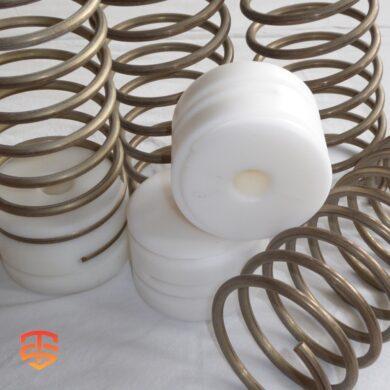 Zipline Spring Brake System | Primary & EAD Braking€ 90,00 Ex VAT
 -
Product on sale
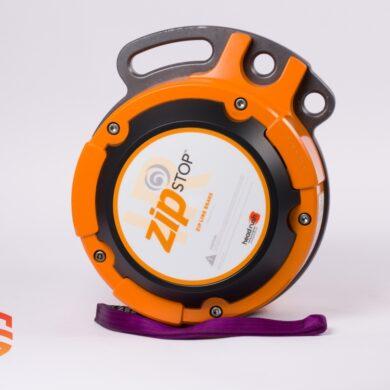 zipSTOP IR Zip Line Brake | Internal Reduction for High-Speed ArrivalPrice range: € 5.742,00 through € 5.894,00 Ex VAT
 -
Product on sale
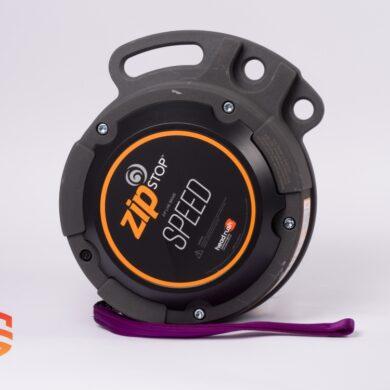 zipSTOP SPEED | High-Velocity Magnetic Braking SystemPrice range: € 6.198,00 through € 6.455,00 Ex VAT