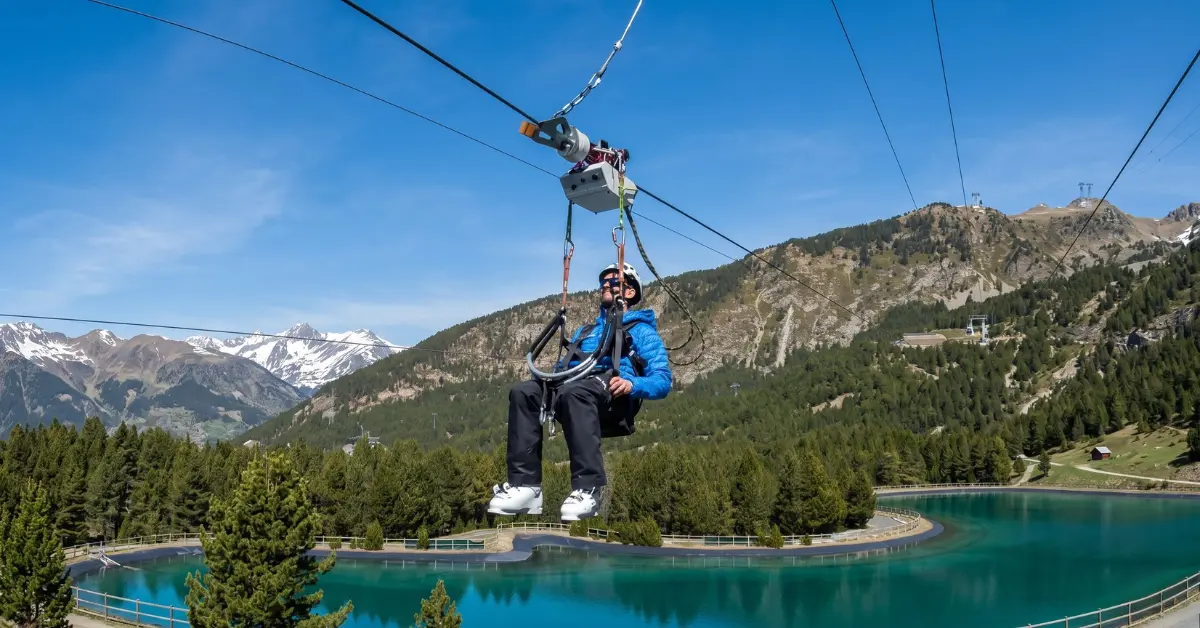
Upgrading to autonomous zipline technology is the definitive way for modern commercial adventure parks to maximize operational throughput and visitor safety. By removing outdated manual retrieval processes, facility managers can instantly slash labor costs while keeping lines moving smoothly. Implementing this equipment transforms a standard attraction into a highly predictable, revenue-generating asset.
Understanding the shift to automated commercial equipment
Modernizing your attraction begins by evaluating exactly how automated systems eliminate platform congestion. Integrating autonomous zipline technology creates an entirely seamless operational flow that handles peak crowds with ease.
What is a bi-directional autonomous zipline system?
A bi-directional setup uses intelligent equipment to move riders smoothly in both directions along a single continuous cable. This completely eliminates the massive bottlenecks associated with traditional one-way rides because the system is always ready for the next guest. Operators immediately gain a continuous operational loop that drastically reduces facility downtime.
How do automated trolley retrieval systems lower labor?
Leveraging automated trolley retrieval completely eliminates the physically demanding chore of dragging heavy equipment back to the launch platform. This smart automation frees your dedicated team to focus strictly on essential safety checks and customer service. Managing your high-volume lines with automation significantly reduces your staffing requirements and labor fatigue.
Are there clear benefits of bi-directional ziplines?
The primary advantage is maximizing your revenue per hour without undertaking costly structural expansions or adding entirely new cable lines. By keeping the course continually active, you essentially double your daily capacity. These highly efficient systems ensure a rapid guest flow that scales effortlessly during peak summer seasons.
The financial impact of upgrading park infrastructure
Smart capital investments directly correlate with increased profit margins and substantially lower overhead. Utilizing autonomous zipline technology guarantees a rapid return on investment by optimizing rider volume.
Why should commercial parks upgrade zipline equipment?
Relying on legacy manual systems limits a park’s ability to handle high-traffic days, inevitably leading to lost profit opportunities. Upgrading shifts your business model from a labor-intensive activity to a scalable asset. This investment ensures your commercial zipline equipment consistently performs at peak capacity, maximizing daily revenue generation.
How does choosing commercial operator gear boost profit?
Investing in premium gear prevents costly operational downtime by utilizing highly durable, weather-resistant components. Upgrading provides distinct commercial advantages for your facility:
- Reduces unexpected and costly equipment failures.
- Decreases ongoing maintenance and repair labor.
- Enhances overall daily guest throughput.
Can operators accurately forecast daily ride revenue?
Removing the unpredictable nature of manual dispatching allows management to calculate precise hourly rider volumes. A standardized mechanical process ensures that daily financial projections remain highly accurate and achievable. This operational consistency is crucial for securing loans or planning future facility expansions.
Mastering safety protocols with modern braking solutions
Consistent risk management is easily achievable when correctly utilizing autonomous zipline technology across your entire recreational facility. Automated deceleration removes the inherent risks of exhausted staff members making critical errors.
How does autonomous zipline technology improve safety?
By utilizing advanced engineering, adventure parks completely remove human error from the critical braking and retrieval processes. Riders experience a perfectly predictable, controlled stop regardless of their physical weight or challenging weather conditions. This creates an operator-safe environment where staff can focus entirely on guest experience rather than manual speed regulation.
Can magnetic braking systems eliminate human error?
Magnetic braking systems rely entirely on physics to provide consistent deceleration without requiring any active rider intervention. Unlike traditional friction pads that degrade rapidly from heat, magnetic brakes perform flawlessly across thousands of daily cycles. Implementing these brakes guarantees that every participant finishes their journey at the exact same, safe landing speed.
Does equipment consistency prevent rider collisions?
Automated spacing and regulated speed controls guarantee that participants maintain a safe distance from one another at all times. The mechanical governing limits prevent heavy riders from accelerating dangerously fast into the landing zone. This automated oversight provides absolute peace of mind for both the operators and the paying guests.
Scaling throughput with bi-directional engineering
High-capacity machinery ensures your paying guests spend significantly less time waiting in long, unmoving lines. Deploying autonomous zipline technology is the fastest method to clear out crowded launch platforms.
How much throughput does autonomous zipline technology add?
Integrating this equipment can easily double your hourly rider capacity by keeping the lines active in two directions simultaneously. As soon as one rider safely dismounts, the intelligent trolley is instantly prepared to launch the very next customer. This seamless transition is the ultimate strategy for scaling park throughput without constantly hiring additional platform attendants.
What is the secret to improving adventure park throughput?
The operational key to increasing capacity lies in identifying and permanently eliminating platform congestion caused by manual system resets. By deploying high-throughput ziplines, you keep the landing zones perfectly clear and maintain a rapid, predictable pace. Ensuring your guests stay actively engaged maximizes your overall revenue per square foot.
How do continuous operational loops prevent platform bottlenecks?
A loop system ensures that there is never a dead period where the cable is sitting completely unused. Continuous motion dictates that the ride is constantly generating ticket value every single minute it is open. This efficiency permanently resolves the frustrating guest bottlenecks that typically plague popular weekend attractions.
Reducing overhead and maintenance requirements
Lowering operational costs requires installing durable infrastructure designed specifically for rugged, daily abuse. Relying on autonomous zipline technology protects your capital investment from premature mechanical wear.
Does magnetic braking reduce zipline maintenance costs?
Because magnetic systems operate without touching friction surfaces, they experience virtually zero mechanical wear and tear during operation. Upgrading to this advanced equipment drastically slashes the budget previously allocated for replacing worn-out brake pads. You secure a reliable technical foundation that keeps your equipment out of the shop and actively generating income.
How does minimizing friction protect vital infrastructure?
Friction-based stopping mechanisms inevitably damage both the trolley wheels and the main structural cables over time. By utilizing magnetic resistance, operators eliminate the harsh metal-on-metal scraping that degrades expensive safety lines. This gentle deceleration process significantly extends the lifespan of your core infrastructure.
Will proactive equipment management lower insurance premiums?
Insurance providers heavily favor recreational facilities that utilize automated, fail-safe safety mechanisms over human-reliant processes. Demonstrating a commitment to predictable, mathematically sound braking can often result in highly favorable policy negotiations. Lowering your liability risk directly translates to massive overhead savings every single operating quarter.
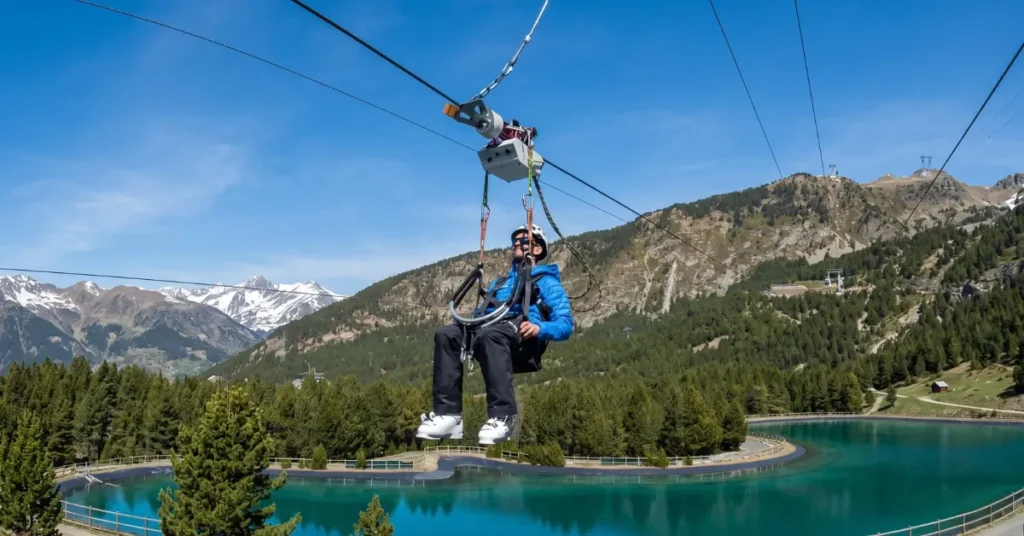
Enhancing the overall visitor and staff experience
A smooth, highly professional attraction elevates the perception of your entire commercial operation. Autonomous zipline technology keeps morale high by making the work environment significantly less stressful for guides.
Why do high-throughput ziplines improve customer satisfaction?
Visitors expect thrilling experiences without the deep frustration of standing in prolonged, entirely stagnant queues. Implementing efficient systems guarantees that waiting guests are processed rapidly, keeping the overall park energy high. Delivering a seamless experience ensures visitors leave satisfied and eager to write positive online reviews.
How does automation reduce staff training requirements?
When the machinery handles the complex physics of stopping and retrieving, new hires require a fraction of the traditional training time. Management can focus strictly on teaching basic harness safety and friendly customer interaction protocols. This simplified onboarding process is a massive advantage during the hectic seasonal hiring push.
Does a smoother ride experience lead to positive reviews?
Jerky, manual braking often leaves guests feeling jarred or physically uncomfortable at the end of their flight. A perfectly smooth, magnetically controlled stop provides a premium feel that participants immediately recognize and appreciate. Providing a luxury-level ride experience strongly encourages lucrative word-of-mouth marketing.
Future-proofing your commercial adventure park
Staying highly competitive demands a forward-thinking approach to recreational infrastructure and crowd management. Investing in autonomous zipline technology ensures your facility remains relevant and highly profitable for decades.
Will automated gear lower long-term operational costs?
Deploying intelligent infrastructure provides absolute predictability for your daily capacity planning and long-term overhead budgeting. Standardizing ride performance permanently reduces the expensive training burden placed on your seasonal workforce. This strategic capital investment transitions your facility into a highly efficient, low-maintenance enterprise.
How does commercial equipment stay competitive?
Consumer expectations for amusement rides continue to rise, demanding smoother, faster, and safer experiences each year. Operators who cling to outdated manual methods will inevitably lose their target demographic to more modernized competitors. Upgrading your gear is a required step to maintain your status as a premier regional destination.
Is standardizing ride performance the ultimate growth strategy?
Consistency is the absolute foundation of any scalable business model in the hospitality and recreation sector. When you can guarantee a perfect ride experience every single time, expanding your marketing efforts becomes entirely risk-free. Standardized attraction performance is the engine that drives sustained corporate growth.
Upgrading your park from a seasonal activity to a highly efficient commercial enterprise requires smart capital investments. Removing the costly variability of human operators directly scales your revenue while keeping your guests completely safe. By choosing to install autonomous zipline technology, you secure a reliable foundation that guarantees long-term operational profitability.
Frequent asked questions
What is a bi-directional autonomous zipline system?
This setup utilizes intelligent autonomous zipline technology to move riders seamlessly in both directions on one continuous cable. The efficient design eliminates the need for manual trolley retrieval, creating a highly profitable continuous operational loop. Operators immediately benefit from drastically reduced platform wait times.
Why should commercial parks upgrade zipline equipment?
Manual legacy systems create massive daily bottlenecks that result in frustrating queues and lost revenue opportunities. Upgrading your core infrastructure transforms your standard attraction into a highly predictable, scalable commercial asset. This smart investment directly and consistently increases your overall revenue per hour.
How does autonomous zipline technology improve safety?
Advanced autonomous zipline technology entirely removes human error from the highly critical braking and arrival process. This ensures every single rider experiences a perfectly controlled deceleration regardless of changing weather conditions. Relying heavily on physics rather than staff intervention guarantees a universally safe landing environment.
How much throughput does autonomous zipline technology add?
Implementing this advanced equipment can effectively double your hourly rider capacity on busy summer weekends. Because the system readies itself instantly for the next guest, you completely eliminate all costly operational dead time. This allows your facility to process maximum crowds without expanding your structural footprint.
Does magnetic braking reduce zipline maintenance costs?
Magnetic brakes operate without relying on friction, meaning there are absolutely no brake pads to wear out. This drastically cuts the large budget previously needed for ongoing component replacements. Your equipment constantly stays out of the repair shop and remains actively profitable.