
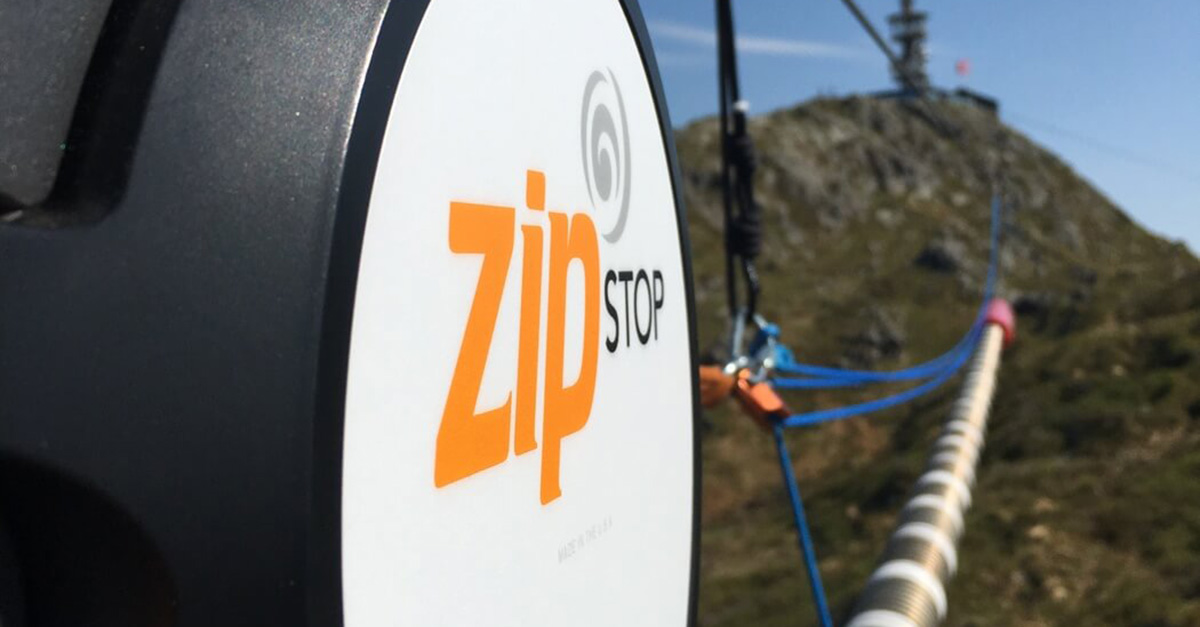
According to international standards, every high-speed zip line requires an Emergency Arrest Device (EAD) to ensure rider safety. But what exactly is an EAD and is your operation compliant? This article explains why a backup brake is mandatory to eliminate a ‘single point of failure’ in your system. We define what an Emergency Arrest Device is, explore the different types of primary and secondary braking systems (manual, automatic, and gravity-fed), and clarify why an EAD is necessary even when using a reliable primary brake like the zipSTOP. Ensure your zip line meets safety standards and provides the ultimate protection for your riders by understanding this critical component.
Ziplines and zipwires are developed and erected in most recreational ropes courses so that all riders arrive in a controlled and low-speed manner. A braking system is utilized on longer ziplines, death rides, and flying foxes to stop people smoothly and consistently. Because there is no backup or emergency arrest equipment, a high-speed zipline with only one brake system could be considered a “single point of failure” (EAD). This article will assist you in determining whether your zipline is compliant or needs to be adjusted to provide riders with the additional safety they require.
What is an emergency arrest device?
All zipwires have a primary braking system to stop the rider at the end of the line. But beyond this measure, zip lines should also have an emergency or back-up braking solution. An emergency arrest device (EAD) is just what it sounds like – it is the thing that would stop rider in an emergency situation where the primary braking system doesn’t do its job.
Braking systems, both primary and back-up, usually fall into three camps:
- Manual/Active: Here the rider is responsible for bringing themselves to a stop at the end of the line, either with a gloved hand on the cable or through a manual braking device.
- Automatic/Passive: Here the braking system brings the rider to a stop without them having to do anything, often through impact.
- Gravity: Here the rider comes to a stop gradually, without a formal brake device, through the use of gravity and the specific engineering of the line.
The purpose of an emergency arrest device is to minimize accidents from user error or equipment failure. Since zipline brakes come in a variety of formats, from simple and cheap to complex and expensive, there are several options for emergency arrest devices.
Emergency arrest device options
Most braking systems can be used as a primary or backup brake. The specific options you choose will depend on your zip line construction, speeds, location, length, budget, motivations/goals and intended rider experience.
At Thrill Syndicate, we take zipwire braking seriously. The zipSTOP Zip Line Brake is a primary brake. Benefits of the zipSTOP include smooth, consistent and reliable braking, automatic resets, increased throughput and a positive user experience. Even though zipSTOP is designed to function as a primary and standalone brake, you still must have an emergency arrest device that serves as a secondary, independent solution to mitigate the risk of user error or third-party equipment failures.
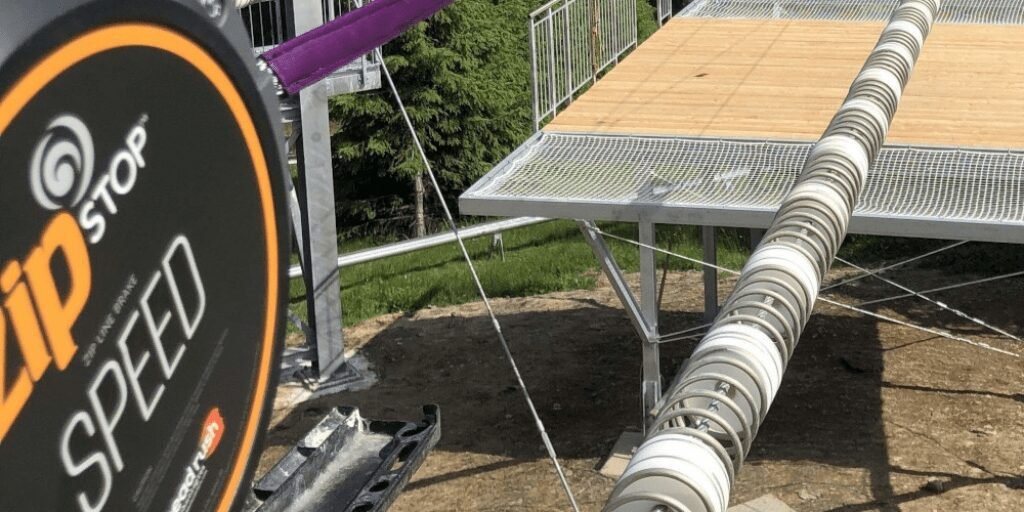
For zipSTOP Zip Line Brakes, spring packs may be a viable EAD option if installed and operated correctly. Also, although pads aren’t approved by ACCT as an approved EAD, it’s always a good idea to keep terminal posts and line connections protected and/or padded as an extra precautionary measure.
A new option, especially for (existing) brake situations, where there is no space for a spring pack, we developed the Zipline Airbag.
Planning a zipline installation? Need expert advice on zipline design?
Get started Today
The Hardware Behind a Safe, High-Volume Zipline Operation
The products below are used and specified in the techniques described above. Click any item to explore full specifications and request a quote.
How Automatic Reset Braking Keeps High-Volume Ziplines Running
Magnetic eddy-current braking with automatic reset — ideal for high-throughput commercial courses where minimising staff intervention between riders matters.
Why Modular Spring Braking Is the Operator’s Safety Baseline
The modular go-to for operators who need reliable primary and emergency arrest capability. Configurable to your specific rider weight range and arrival speed.
What It Takes to Safely Stop a Rider Arriving at 72 km/h
Engineered for mega-ziplines running at up to 72 kph. The benchmark high-velocity arrest device for operators running the fastest commercial lines.
The Prone Position: How Superman Ziplines Demand Specialist Harnessing
The specialist prone harness for headfirst Superman configurations — redesigned for faster guest harnessing and a more comfortable ride position.
Trolley Longevity vs. Arrival Speed: Why You Don’t Have to Choose
Built to absorb the impact at landing without compromising speed on the line. The choice for courses where trolley longevity and smooth arrival are both non-negotiable.
Heavy Loads, Long Runs: Specifying Trolleys for Serious Commercial Operations
ISC’s large-capacity trolley for high-load commercial operations — built to the bearing quality and durability standards that serious operators expect.
Browse the full Zipline Safety Solutions range →
-
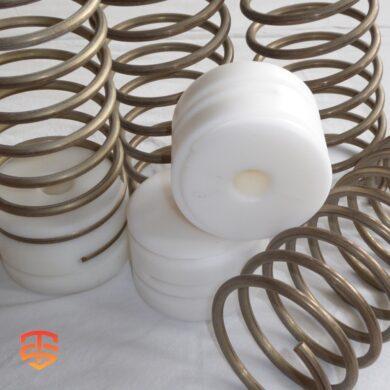 Zipline Spring Brake System | Primary & EAD Braking€ 90,00 Ex VAT
 -
Product on sale
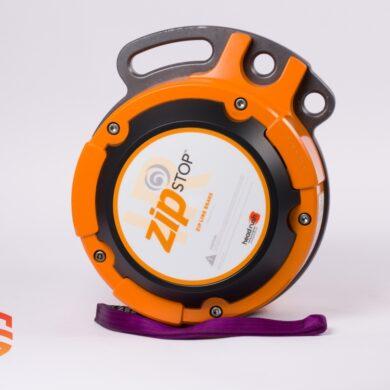 zipSTOP IR Zip Line Brake | Internal Reduction for High-Speed ArrivalPrice range: € 5.742,00 through € 5.894,00 Ex VAT
 -
Product on sale
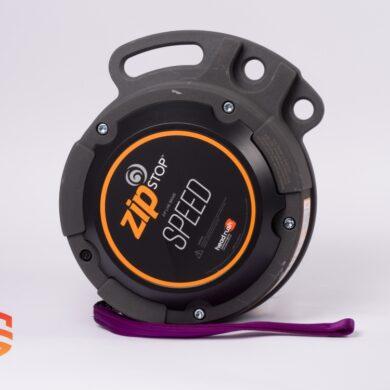 zipSTOP SPEED | High-Velocity Magnetic Braking SystemPrice range: € 6.198,00 through € 6.455,00 Ex VAT