Posted on

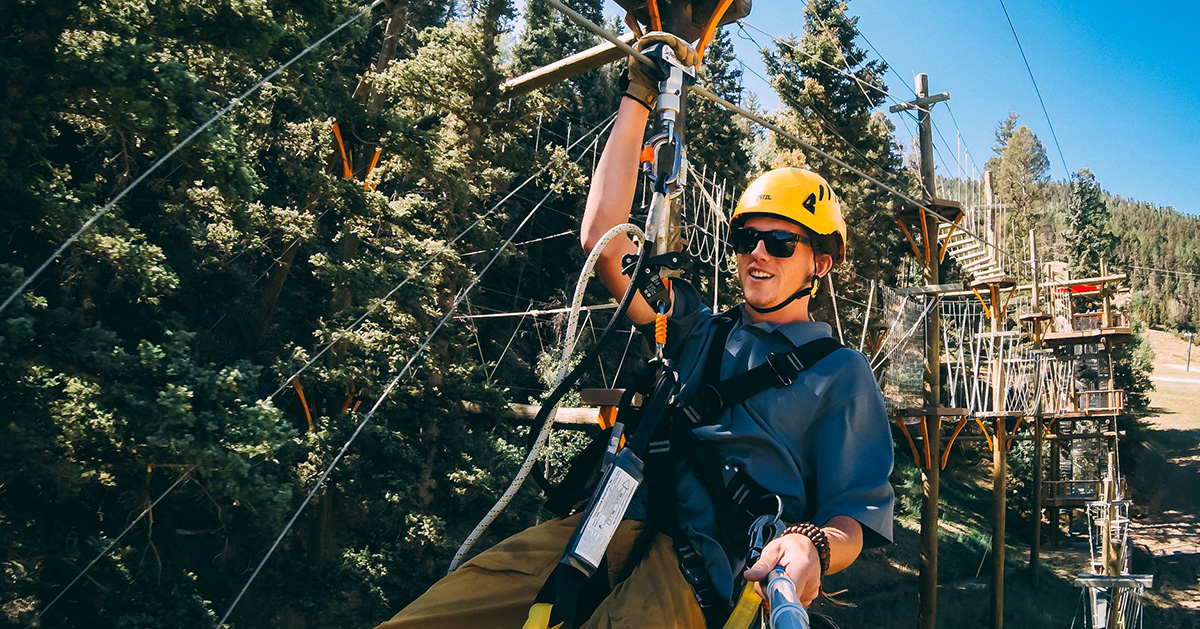
Zip Line Design: Complete System overview

Considering a zip line installation? This overview of professional zip line design breaks down the key parts you need for a safe and effective system.

A successful zip line is far more than just a cable strung between two points. Proper zip line design is a complex process that involves a complete system of interconnected components working together to ensure safety and provide an unforgettable rider experience. This guide provides a comprehensive overview of every essential part you need to consider. We break down the critical roles of the zip line cable, launch and landing platforms, the trolley, and the crucial primary braking system. Furthermore, we cover the non-negotiable need for an emergency backup brake (EAD), the importance of well-trained guides, and ongoing inspections. Before you build, understand the complete system with our expert overview.

Continue reading Zip Line Design: Complete System overview
Posted on

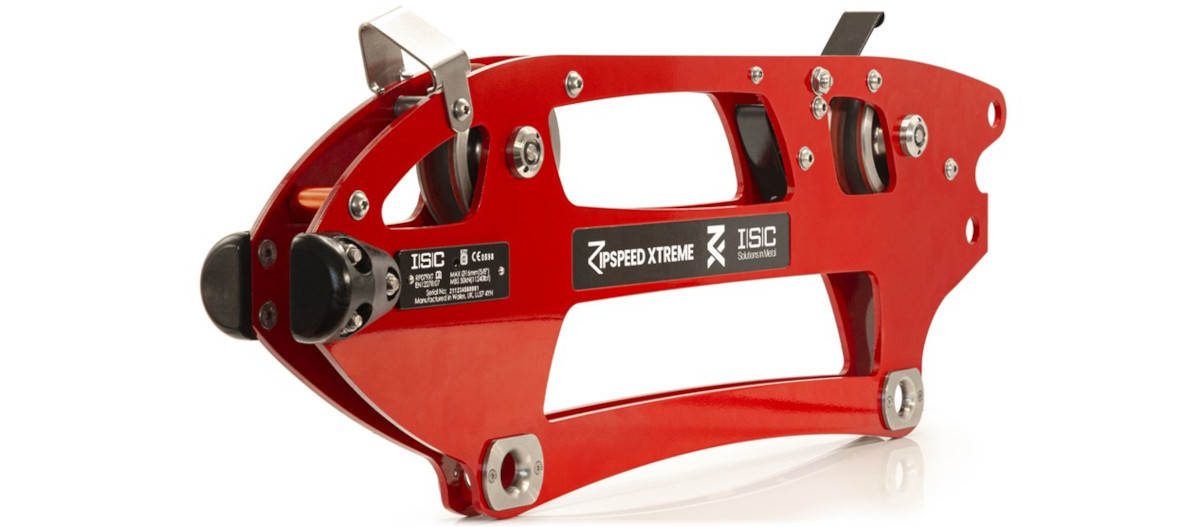
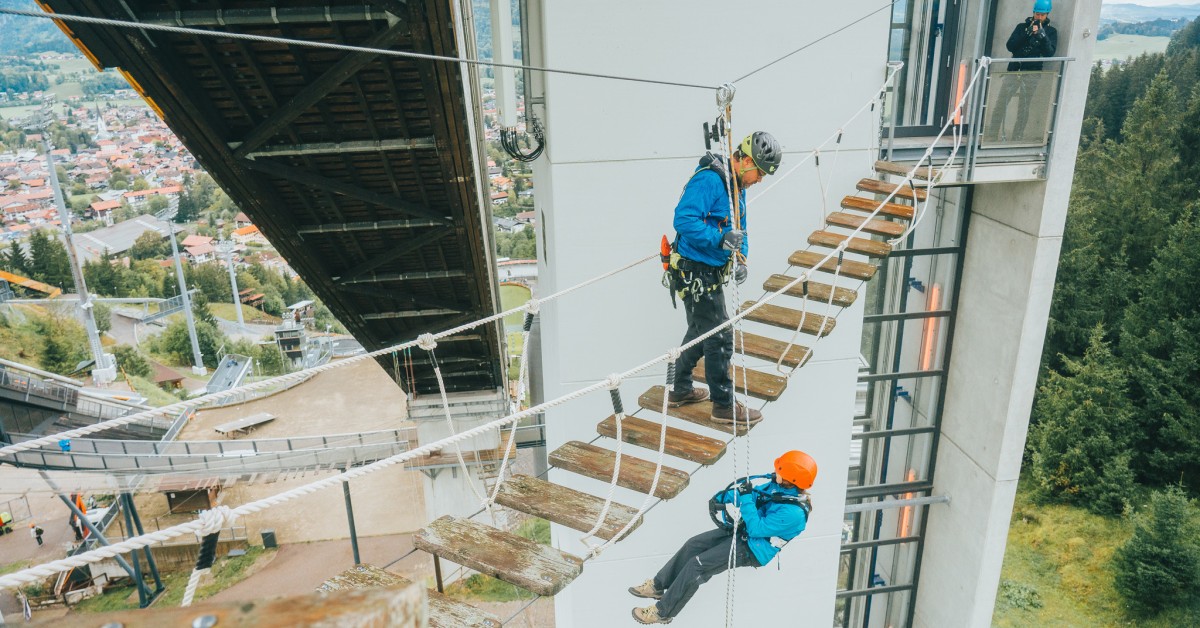
Ropes Course Rescue Innovations

Is your ropes course rescue plan up to date? Learn about the pros and cons of different systems, from manual kits to simple, all-in-one mechanical devices.

Effective ropes course rescue is critical for the safety of both participants and staff. As adventure parks evolve, so does the technology available for assisting guests. This guide explores the different rescue systems, from traditional methods like the high-risk cut-away technique to versatile manual hauling kits that require significant strength and training. We then dive into the latest innovations: all-in-one mechanical rescue devices. These modern systems, originating from the fire rescue industry, greatly simplify the process with features like integrated lifting wheels and controlled-speed descents. Learn which equipment offers the most safety, requires the least training, and provides the versatility needed for today’s aerial adventure courses.

Continue reading Ropes Course Rescue Innovations
Posted on

All About Bearings: Why Zip Line Trolley Bearings Matter

Don't let failing zip line trolley bearings slow you down. Discover how precision-engineered bearings extend equipment life and boost performance.

The zip line trolley bearings might be a small component, but they are crucial to the speed, smoothness, and lifespan of your equipment. In many trolleys, bearings are the first point of failure, leading to costly replacements and downtime. This guide explains why high-quality bearings matter so much. We break down the components of a bearing and explore the key features that separate a superior product from the rest, such as ABEC ratings for high-speed performance, durable steel cages that resist heat, and metal shields for long-term protection. Learn how investing in trolleys with precision-engineered bearings can extend the life of your fleet and improve your overall return on investment.

Continue reading All About Bearings: Why Zip Line Trolley Bearings Matter
Posted on

Whitepaper: Zipline Braking Dynamics

A technical look at zipline braking dynamics. This guide covers system design, risk mitigation, g-load calculations, and EAD testing for operators.

This technical whitepaper provides a comprehensive analysis of zipline braking dynamics, exploring the critical physics and safety standards that govern a complete braking system. We delve into the industry requirements from ACCT and ASTM, explaining why a primary brake must be paired with a mandatory Emergency Arrest Device (EAD) to create a fail-safe system. Using data on arrival speeds, g-loads, and human tolerance to impact, we illustrate the immense forces at play and the catastrophic potential of brake failure. Understand why manual EADs are not advisable and learn the proper methods for testing your entire brake system to ensure it performs reliably under worst-case scenarios. This is an essential resource for zip line designers, builders, and operators.

Continue reading Whitepaper: Zipline Braking Dynamics
Posted on

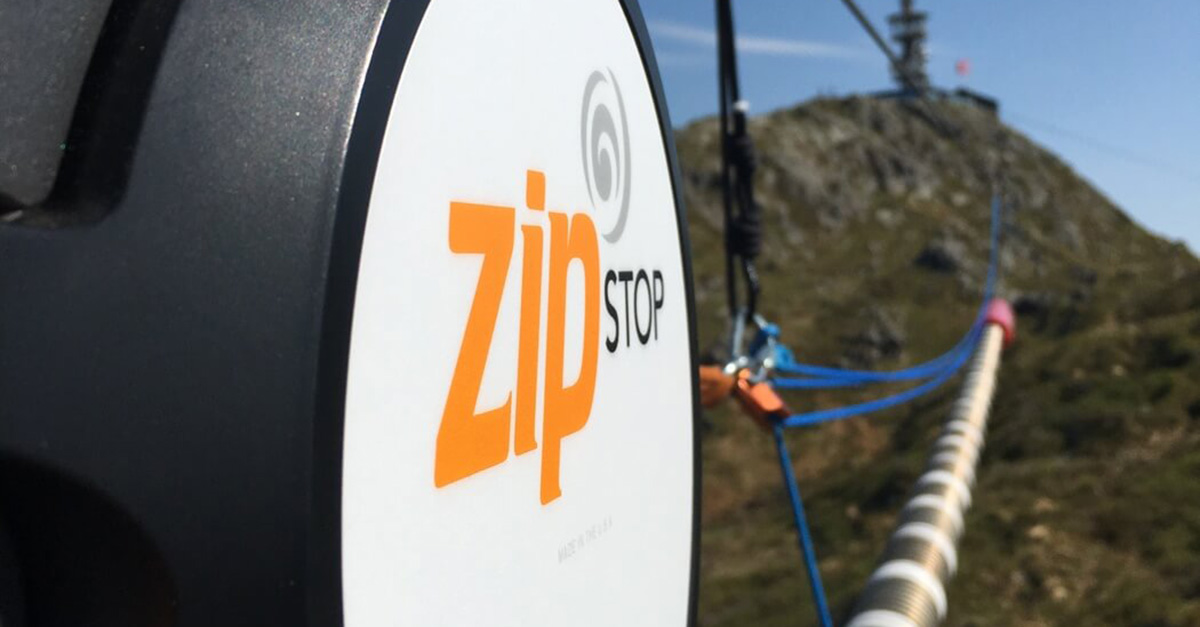
Does your Zipline need an Emergency Arrest Device (EAD)?

Is your zip line compliant? Discover what an Emergency Arrest Device is and why this backup brake is mandatory for avoiding a single point of failure.

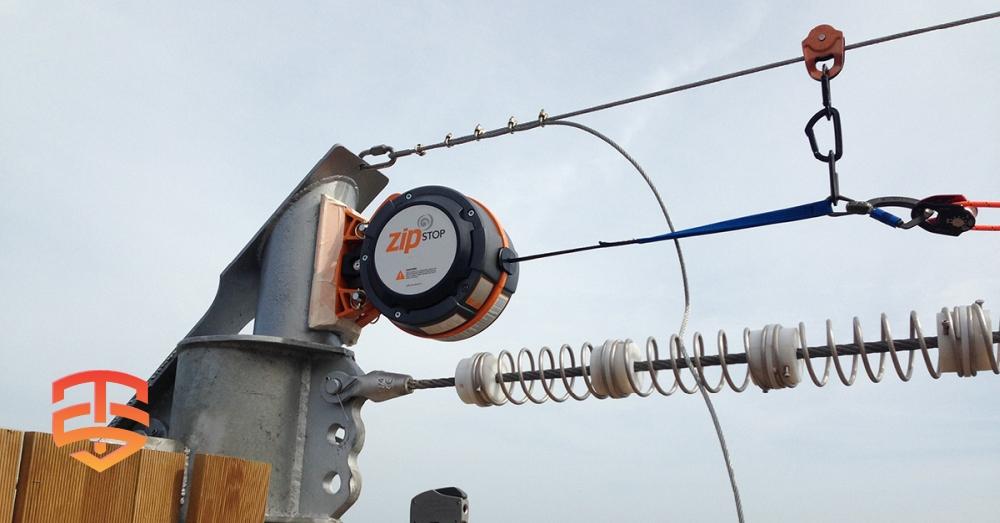
According to international standards, every high-speed zip line requires an Emergency Arrest Device (EAD) to ensure rider safety. But what exactly is an EAD and is your operation compliant? This article explains why a backup brake is mandatory to eliminate a ‘single point of failure’ in your system. We define what an Emergency Arrest Device is, explore the different types of primary and secondary braking systems (manual, automatic, and gravity-fed), and clarify why an EAD is necessary even when using a reliable primary brake like the zipSTOP. Ensure your zip line meets safety standards and provides the ultimate protection for your riders by understanding this critical component.

Continue reading Does your Zipline need an Emergency Arrest Device (EAD)?
Posted on

Zip Line Trolley Inspection and maintenance

Master zip line trolley inspection and maintenance. Our expert guide covers routine checks, cleaning tips, and creating a site-specific manual for your park.

Proper zip line trolley inspection and maintenance are essential for the safety, longevity, and efficiency of any aerial adventure park. While manufacturer guidelines provide a baseline, every operation has unique needs based on its environment and usage levels. This guide covers the fundamental principles of trolley upkeep, from simple cleaning with soap and water to the importance of meticulous documentation. We explore the critical roles of daily and monthly inspections, the value of investing in trained technicians, and how detailed record-keeping allows you to create a site-specific operational manual. By implementing these systematic procedures, you can reduce downtime, lower costs, and ensure your trolleys operate safely for years to come.

Continue reading Zip Line Trolley Inspection and maintenance
Posted on

Zipline Trolley Innovations

Thinking of upgrading your equipment? Our guide to Zipline Trolley Innovations covers key features that boost safety, durability, and operational flow.

The simple zip line trolley is evolving rapidly. This guide explores the latest Zipline Trolley Innovations that are shaping the industry, helping operators improve safety, durability, and throughput. We examine key advancements including carabiner-less trolleys with integrated connectors for one-handed operation, and impact-friendly designs that reduce wear on both the trolley and the brake system. Discover the benefits of field-serviceable models that save on maintenance costs, and learn about the cutting-edge technology of self-braking magnetic trolleys that allow for steeper and more exciting zip line designs. Make an informed investment for your operation.

Continue reading Zipline Trolley Innovations
Posted on

Make continuous safety your number one priority!

Need a professional ropes course inspection? Our services cover all components from poles and wire rope to hardware, ensuring compliance and safety.

A professional annual ropes course inspection is essential for fulfilling your risk management obligations and ensuring user safety. We provide comprehensive inspection services for a wide range of facilities, including challenge courses, zip lines, adventure parks, climbing walls, and ninja courses. Our qualified personnel conduct a thorough physical examination of all components, including trees or poles, wire ropes, bolts, hardware, and programming equipment, in compliance with EN 15567 standards. Following the inspection, you receive a detailed verbal and written report. We also offer supplemental services, including on-site minor repairs, component testing, and expert consultations to keep your course in peak condition.

Continue reading Make continuous safety your number one priority!
Posted on

Buyer’s Guide to the Four Most Common Zip Line Brakes

Choosing zip line brakes? Compare the pros and cons of active vs. passive systems to improve throughput, customer experience, and safety on your course.

Choosing the right zip line brakes is a critical decision that impacts your operations, revenue, and risk management. This buyer’s guide provides a detailed comparison of the four most common types of braking systems to help you make an informed choice. We evaluate active brakes, which rely on human intervention, alongside three passive systems: magnetic, spring, and gravity brakes. Each system is analyzed based on essential factors including maintenance requirements, rider throughput, customer experience, use of space, and overall risk. Understand the pros and cons of each method to select the best zip line brakes for your course design and business goals.

Continue reading Buyer’s Guide to the Four Most Common Zip Line Brakes
Posted on

Simplify Installation with the zipSTOP Pivot Mount

The zipSTOP Pivot Mount makes installing your zipSTOP brake easier and more versatile. Get smoother braking, less wear, and better line retraction.

The zipSTOP Pivot Mount is an essential accessory designed to enhance your zip line braking system. It simplifies the installation of your zipSTOP or zipSTOP IR brake, allowing for a wider range of mounting options, including overhead on a gantry. By using this mount, you can achieve smoother braking for a better rider experience, reduce webbing wear, and improve line retraction. Made from lightweight, corrosion-resistant materials and featuring high-quality hardware like a slip-resistant castle nut, the pivot mount is built to endure harsh environments. It’s a cost-effective solution that streamlines your setup and boosts the performance of your zipSTOP device.

Continue reading Simplify Installation with the zipSTOP Pivot Mount