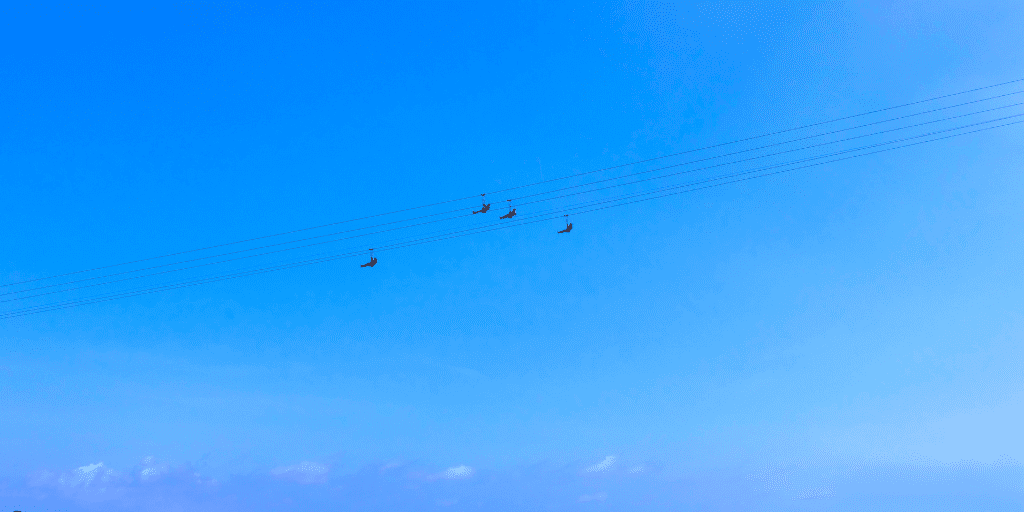
The adventure industry is moving away from basic gravity-fed systems toward intelligent, programmable infrastructure. Autonomous zip line technology allows operators to control every aspect of the ride experience while significantly reducing manual labor. By integrating smart mechatronics, adventure parks can ensure consistent safety and higher profit margins.
Improving operational efficiency with smart systems
Modern adventure parks face rising labor costs and complex logistical challenges that traditional equipment cannot solve.
How does autonomous zip line technology work?
These systems utilize motorized trolleys that move independently along a cable without relying solely on gravity. Internal sensors and motors allow the unit to travel both downhill and uphill. This capability creates a self-contained loop that eliminates the need for manual trolley transport.
What are the benefits of programmable speed regulation?
Operators can define a specific velocity profile for every rider to ensure comfort and excitement. Active speed management accounts for variables like wind speed and the weight of the participant. This ensures that every guest reaches the landing platform at a safe and predictable speed.
Can zip lines offer mid-ride photo opportunities?
Smart trolleys can be programmed to stop or slow down at specific scenic viewpoints. This creates a unique photo opportunity that is impossible to achieve with standard high-speed pulleys. Guests can enjoy a $360^{\circ}$ view before the system automatically resumes the ride to the finish.
Why is bi-directional travel a game changer?
A bi-directional system allows the trolley to return to the start point on the same cable. This removes the need for secondary retrieval lines or ground vehicles to move equipment. It streamlines the entire process, allowing for continuous operation with minimal downtime.
Building a more efficient operation is only the first step toward long-term success in the recreation sector.
Enhancing safety through digital interlocks
Safety is the highest priority for any adventure operator, and automation removes the most common points of human failure.
How do automated interlocks prevent collisions?
The system maintains constant awareness of where every trolley is located on the cable. Digital interlock protocols prevent a second trolley from launching until the line is completely clear. This removes the risk of collisions caused by communication errors between staff members.
Why is real-time location tracking important?
Sensors provide the control center with the exact coordinates of every participant at all times. If a unit stops unexpectedly, the automation logic immediately halts any subsequent activity. This real-time data ensures that supervisors have total oversight without relying on visual checks.
How does automation eliminate dispatch errors?
Mechanical gates and launch systems are synced with the trolley’s software to manage flow. The system will physically block a launch if the safety parameters are not met. This layer of protection ensures absolute peace of mind for both the operator and the guest.
What happens during a power failure?
Smart trolleys are designed with fail-safe braking mechanisms that activate automatically if power is lost. Magnetic or mechanical brakes engage to bring the rider to a controlled stop. This ensures that guest safety is never compromised by external utility issues.
By removing human error from the safety equation, operators can focus on delivering a high-quality guest experience.
Reducing labor costs and staffing requirements
Managing a large staff is often the biggest expense for adventure parks, but automation offers a strategic solution.
How does automation reduce headcount?
Traditional lines require staff at both the launch and landing platforms to handle equipment and braking. Autonomous zip line technology handles the braking and trolley return automatically. This allows a single operator to manage multiple lines simultaneously.
Can the system retrieve gear and equipment?
The motorized units are capable of carrying harnesses and helmets back to the start point after a ride. This eliminates the need for runners or ATVs to transport gear between stations. Keeping equipment at the launch point improves the throughput of the attraction.
What impact does this have on maintenance?
Automated systems can perform low-speed cable inspections without requiring a technician to ride the line. The software tracks wear and tear on components and provides alerts before a failure occurs. This predictive maintenance extends the lifespan of the infrastructure and reduces repair costs.
How does automation simplify staff training?
Because the system handles the critical safety and braking functions, the staff training process is shortened. Operators focus on guest interaction and harness fitting rather than complex manual braking techniques. This allows for faster onboarding during busy peak seasons.
Lowering operational overhead through technology directly leads to more sustainable and profitable business models.
Maximizing visitor engagement and revenue
A more sophisticated ride allows for premium pricing and encourages guests to return for different experiences.
How do customizable ride modes increase repeat visits?
Operators can offer different “profiles,” such as a high-speed thrill mode or a slow scenic drift. This variety of experiences encourages guests to pay for multiple rides in a single visit. Dynamic ride programming makes the attraction more versatile for different age groups.
Does automation increase rider throughput?
The precision of automated dispatch and braking reduces the time between individual launches. By minimizing the wait time at the platform, you can accommodate more guests per hour. Higher throughput leads to a significant increase in daily revenue for the facility.
Why should parks invest in smart infrastructure?
Advanced technology positions a park as a leader in the industry, attracting tech-savvy consumers. The reliability and consistency of the ride build a strong brand reputation through positive reviews. Investing in future-proof equipment ensures the attraction remains competitive for years.
How does the system power its return trip?
Some advanced units use regenerative braking to capture energy during the descent. This reclaimed energy is stored in batteries to power the trolley’s return to the top. Energy-efficient operations lower utility bills and support environmental sustainability goals.
Integrating these smart features ensures that your facility remains both a guest favorite and a financial success.
Conclusion
Autonomous zip line technology represents a significant leap forward for the adventure and recreation industries. By focusing on safety, efficiency, and engagement, operators can transform their attractions into high-performance assets. Embracing these smart infrastructure solutions is the most effective way to optimize profits in the modern market.
Contact us to discuss a tailored solution that uses programmable, autonomous technology to revolutionize your visitor experience!
Get in touch Today
Frequent Asked Questions
How does autonomous zip line technology handle wind?
The system uses active speed regulation to monitor and counteract the effects of wind resistance. It automatically adjusts the motor output to ensure the rider reaches the landing platform at the programmed velocity.
Is specialized training required for automated zip lines?
Staff members require less technical training because the automation logic handles braking and safety interlocks. The primary focus for employees shifts toward guest service and safety equipment inspections.
How do bi-directional trolleys save energy?
Many units utilize regenerative braking systems to harvest energy while the rider descends. This captured power is then used to drive the trolley back to the start point, reducing external power needs.
Can existing zip lines be upgraded to autonomous systems?
Many traditional cables can be retrofitted with smart trolley technology and digital controls. This allows operators to modernize their existing infrastructure without building entirely new structures from scratch.
What is the average ROI for automated adventure equipment?
The ROI is typically high due to the reduction in staffing levels and the increase in rider throughput. Most facilities see a faster return on investment through lower overhead and premium pricing options.
Beyond the Basics: Unveiling Zipline Technology with Expert Analysis
Intrigued by the potential of Zipline technology? You’ve come to the right place! This article provides a solid foundation. But if you’re eager to delve deeper and gain insights from industry experts, keep reading…
- Two-Way Adventure: Bi-Directional Zipline Trolley Solutions
- Considering operating and investing in a zipline?
- 9 Zipline Mistakes You Don’t Know You’re Making
- Magnetic Zipline Braking: A Revolutionary Way to Ensure Safe Rides
- Pros and Cons of Different Zip Line Brakes
- Maximizing Zip Wire Park Revenue with a Speed-regulating zipline trolley
- White Paper on Zipline Emergency Arrest Devices (EAD)
- The Importance of Optimizing Zip Line Design for Rider Speed
- Does your zip line need an emergency arrest device?
- The Magnetic Self-braking Zipline pulley
- Zipline Braking and landing considerations
- Why Zip Line Trolley Bearings Matter
- Whitepaper: Zipline Braking Dynamics
- Zip Line Installation: Give them the Best Ride
- How to startup a Successful Zip Line Business
-
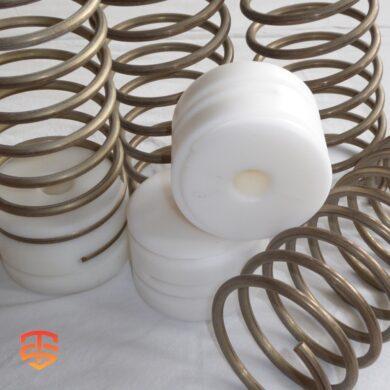
 Zipline Spring Brake System | Primary & EAD Braking€ 80,00 Ex VAT
 -
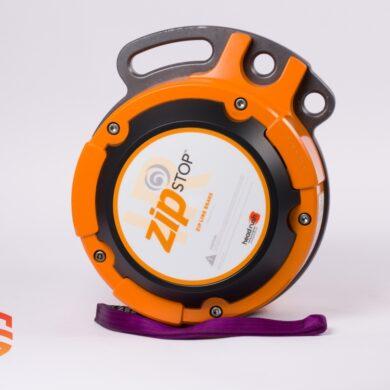
Product on salezipSTOP IR Zip Line Brake | Internal Reduction for High-Speed ArrivalPrice range: € 5.742,00 through € 5.894,00 Ex VAT
-
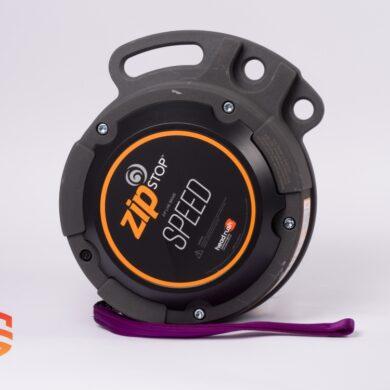
Product on salezipSTOP SPEED | High-Velocity Magnetic Braking SystemPrice range: € 6.198,00 through € 6.455,00 Ex VAT