Posted on Leave a comment

Transforming guest experiences using autonomous zip line technology

Discover how autonomous zip line technology improves operational

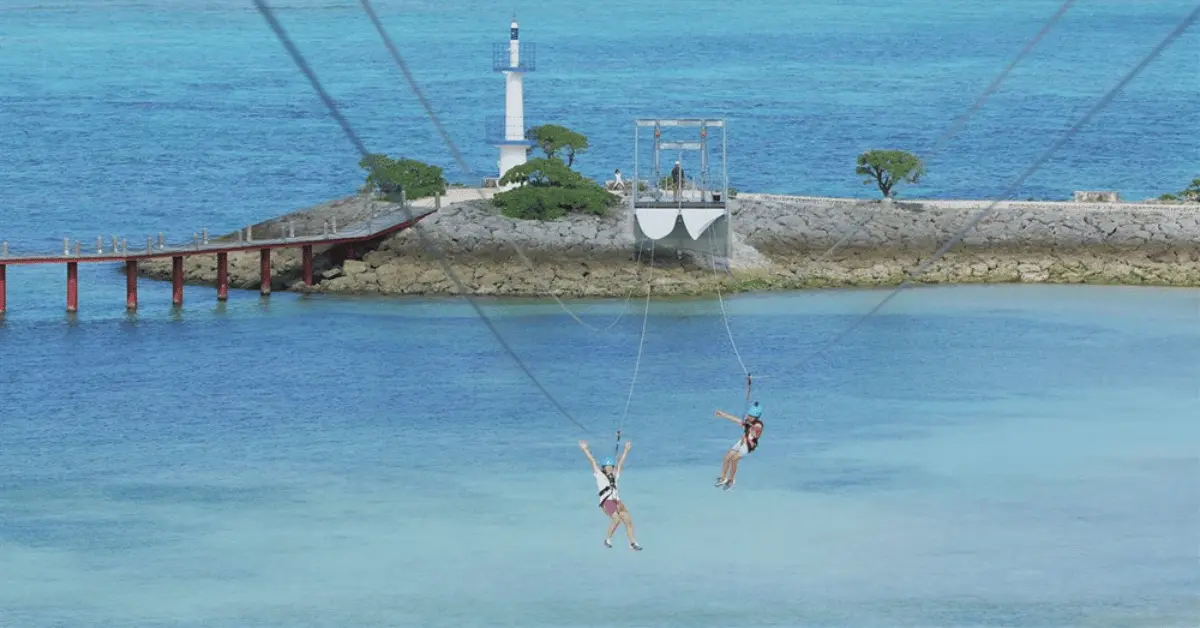
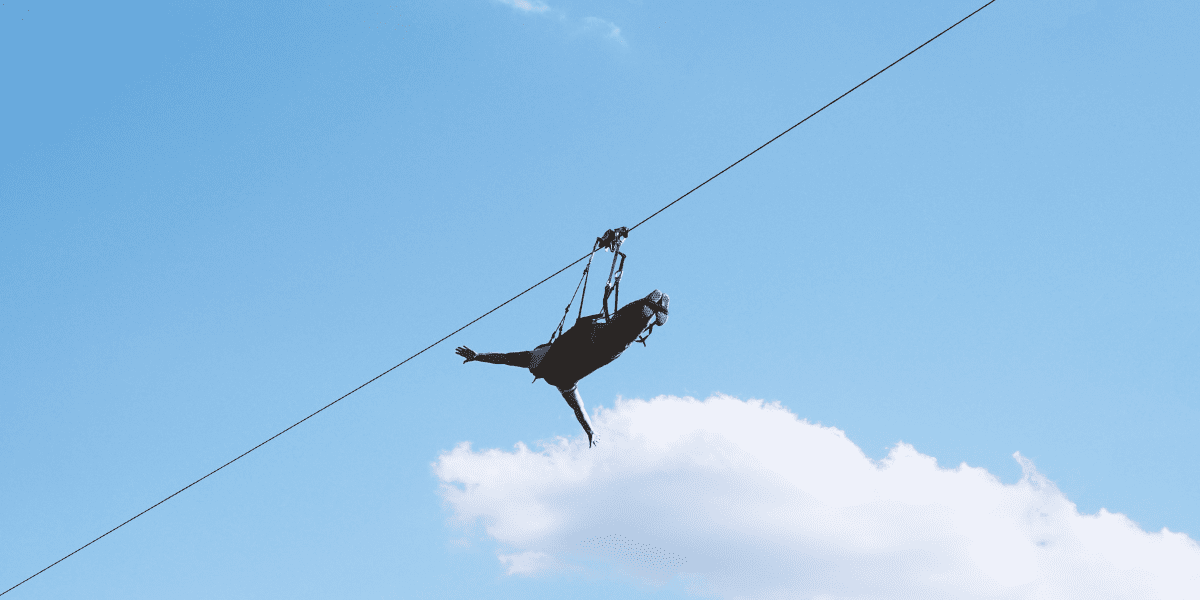
The adventure industry is moving away from basic gravity-fed systems toward intelligent, programmable infrastructure. Autonomous zip line technology allows operators to control every aspect of the ride experience while significantly reducing manual labor. By integrating smart mechatronics, adventure parks can ensure consistent safety and higher profit margins.

Continue reading Transforming guest experiences using autonomous zip line technology
Posted on

How to increase adventure park capacity using AI simulation

Discover how to boost adventure park capacity using AI-driven simulation. Start optimizing your daily revenue today.

Operational bottlenecks often limit your daily revenue even when you have high-quality safety equipment and modern attractions. Shifting from reactive management to AI-driven throughput optimization allows you to increase guest capacity without adding new attractions. This guide explains how digital twins and real-time data turn operational logistics into measurable profit.

Continue reading How to increase adventure park capacity using AI simulation
Posted on

The benefits of using a controlled descent device in training

A professional's guide to self-retracting lifelines for work at height. Explore their role in construction, firefighting, and industrial safety.

Modern training environments require equipment that balances high-level safety with operational speed. Using a controlled descent device allows operators to focus on skill development without the risks associated with manual belaying. This technology ensures a consistent experience for every user while maximizing facility efficiency.

Continue reading The benefits of using a controlled descent device in training
Posted on

Maximizing Zip Wire Park Revenue with a Speed-regulating zipline trolley

Improve guest safety and arrival consistency using a Speed-regulating zipline trolley. Find out why autonomous logistics are the future of adventure parks.

Zipline operators frequently face logistical hurdles involving manual gear retrieval and inconsistent arrival speeds. Moving equipment back to the launch point by hand is a labor-intensive process that creates bottlenecks and increases operating expenses. The development of a Speed-regulating zipline trolley addresses these challenges by integrating autonomous movement with intelligent energy management. This technology allows the device to control its own velocity during descent through friction while storing the generated energy to power its return journey. For a professional facility, this shift represents a move toward a more sustainable and efficient business model where throughput is maximized and manual retrieval is eliminated.

Continue reading Maximizing Zip Wire Park Revenue with a Speed-regulating zipline trolley
Posted on

Smart Belay vs. Continuous Belay: Choosing the right gear for your Course

Don't risk liability. meaningful ropes course safety inspection requires independent experts. Learn the difference between Type A, B, and C bodies now.

In the high-stakes world of aerial adventure and recreation, the hardware you choose is more than just safety equipment—it is the engine of your business. For professional operators, the decision between safety systems directly impacts throughput, staffing requirements, maintenance budgets, and ultimately, the guest experience. Whether you manage a high-volume amusement park requiring rapid visitor flow or a technical skills course designed for active engagement, selecting the right belay system is critical. This guide dissects four industry-leading solutions—ranging from intelligent communicating carabiners to seamless continuous lifelines—to help you optimize your operations and secure a better return on investment.

Continue reading Smart Belay vs. Continuous Belay: Choosing the right gear for your Course
Posted on

Safety First: Advances in Zipline Braking Technologies

Which zip line brakes are right for your operation? Compare active vs. passive systems, including magnetic, gravity, and spring-based options.

Zip lines have become a staple attraction at ski resorts, zoos, amusement parks, and even cruise ships, offering thrills to a wide range of consumers. As the popularity of zip lines has grown, so too has the focus on safety, particularly concerning braking systems. These systems have evolved significantly, driven by industry standards, regulations, and the need for effective, high-throughput solutions.

Continue reading Safety First: Advances in Zipline Braking Technologies
Posted on

Navigating EN 15567: A Blueprint for Ropes Course Safety Inspection

Maximize uptime and minimize risk. Discover how regular ropes course safety inspection routines improve operational efficiency and visitor trust.

In the high-stakes world of adventure parks and outdoor recreation, the line between a thrilling experience and a liability nightmare is drawn by safety standards. As an operator, your primary asset isn’t just your steel cables or timber platforms; it is the trust your visitors place in your facility. Ensuring that trust requires more than just good intentions—it demands rigorous, standardized verification. Navigating the complexities of compliance, from ropes course safety inspection protocols to understanding the nuances of EN 15567, is critical for business longevity. This guide strips away the technical jargon to provide a clear, actionable roadmap for maintaining a compliant, safe, and profitable operation.

Continue reading Navigating EN 15567: A Blueprint for Ropes Course Safety Inspection
Posted on

AI-Powered Predictive Maintenance for Zero-Downtime Operations

Maximize visitor throughput and safety with AI-driven monitoring. Learn how Predictive Maintenance for Zero-Downtime Operations spots equipment failure before it happens.

The greatest enemy of an adventure park, family entertainment center, or recreation business is a sudden, unexpected operational shutdown. When a critical ride, a braking system, or a key attraction component fails, it doesn’t just cost money to fix; it destroys the customer experience and leads to lost revenue during crucial operating hours. For too long, maintenance has been a reactive cycle: run it until it breaks, then scramble to fix it. But a new era is here. Professional operators are moving toward Predictive Maintenance for Zero-Downtime Operations—a strategy that uses smart technology to predict failure, allowing you to fix issues before they affect your guests or your bottom line. This isn’t just an upgrade; it’s a complete transformation of how you manage your most valuable assets.

Continue reading AI-Powered Predictive Maintenance for Zero-Downtime Operations
Posted on

TRUBLUE iQ Auto Belay Trade-In Program: Future-Proof Your Facility

Looking for the smartest auto belay service program? End the cycle of shipping your devices and waiting. Get a serviced unit, swap it out, and send the old one back. It’s that simple. Discover the benefits of zero downtime.

For professional operators in the recreation sector, every investment needs to deliver immediate, quantifiable returns. If your facility runs on older auto belays—from any brand—a critical financial opportunity has opened up. The TRUBLUE iQ Auto Belay Trade-In Program is simplifying fleet modernization by putting a significant €450 direct discount into your pocket per device. This isn’t just a minor incentive; it’s a guaranteed, instant reduction in the capital cost of moving to the new, highly efficient iQ platform.

Continue reading TRUBLUE iQ Auto Belay Trade-In Program: Future-Proof Your Facility