
Posted on

Whitepaper: Zipline Braking Dynamics

A technical look at zipline braking dynamics. This guide covers system design, risk mitigation, g-load calculations, and EAD testing for operators.

This technical whitepaper provides a comprehensive analysis of zipline braking dynamics, exploring the critical physics and safety standards that govern a complete braking system. We delve into the industry requirements from ACCT and ASTM, explaining why a primary brake must be paired with a mandatory Emergency Arrest Device (EAD) to create a fail-safe system. Using data on arrival speeds, g-loads, and human tolerance to impact, we illustrate the immense forces at play and the catastrophic potential of brake failure. Understand why manual EADs are not advisable and learn the proper methods for testing your entire brake system to ensure it performs reliably under worst-case scenarios. This is an essential resource for zip line designers, builders, and operators.

Continue reading Whitepaper: Zipline Braking Dynamics

Posted on

Does your Zipline need an Emergency Arrest Device (EAD)?

Is your zip line compliant? Discover what an Emergency Arrest Device is and why this backup brake is mandatory for avoiding a single point of failure.

According to international standards, every high-speed zip line requires an Emergency Arrest Device (EAD) to ensure rider safety. But what exactly is an EAD and is your operation compliant? This article explains why a backup brake is mandatory to eliminate a ‘single point of failure’ in your system. We define what an Emergency Arrest Device is, explore the different types of primary and secondary braking systems (manual, automatic, and gravity-fed), and clarify why an EAD is necessary even when using a reliable primary brake like the zipSTOP. Ensure your zip line meets safety standards and provides the ultimate protection for your riders by understanding this critical component.

Continue reading Does your Zipline need an Emergency Arrest Device (EAD)?
Posted on

Expert Tips for Zip Line Brake Installations

Riders getting stuck? Boost your zipline efficiency and throughput with modern magnetic braking systems. Learn how this tech reduces delays.

A proper zip line brake installation is critical for rider safety, throughput, and creating an unforgettable guest experience. While a quality brake system is essential, peak performance depends on all components working together in harmony. This guide covers the crucial variables you must consider during setup. Learn why your choice of reduction line and pulley can dramatically impact the braking experience, how to adjust rope slack for smooth and consistent stops, and the importance of ensuring the brake webbing is free of twists. By optimizing these key elements, you can ensure every rider has a safe and enjoyable stop, improving your zip line’s overall operation and profitability.

Continue reading Expert Tips for Zip Line Brake Installations
Posted on

Zip Line Trolley Inspection and maintenance

Master zip line trolley inspection and maintenance. Our expert guide covers routine checks, cleaning tips, and creating a site-specific manual for your park.

Proper zip line trolley inspection and maintenance are essential for the safety, longevity, and efficiency of any aerial adventure park. While manufacturer guidelines provide a baseline, every operation has unique needs based on its environment and usage levels. This guide covers the fundamental principles of trolley upkeep, from simple cleaning with soap and water to the importance of meticulous documentation. We explore the critical roles of daily and monthly inspections, the value of investing in trained technicians, and how detailed record-keeping allows you to create a site-specific operational manual. By implementing these systematic procedures, you can reduce downtime, lower costs, and ensure your trolleys operate safely for years to come.

Continue reading Zip Line Trolley Inspection and maintenance
Posted on

Pros and Cons of Different Zip Line Brakes

Which zip line brakes are right for your operation? Compare active vs. passive systems, including magnetic, gravity, and spring-based options.

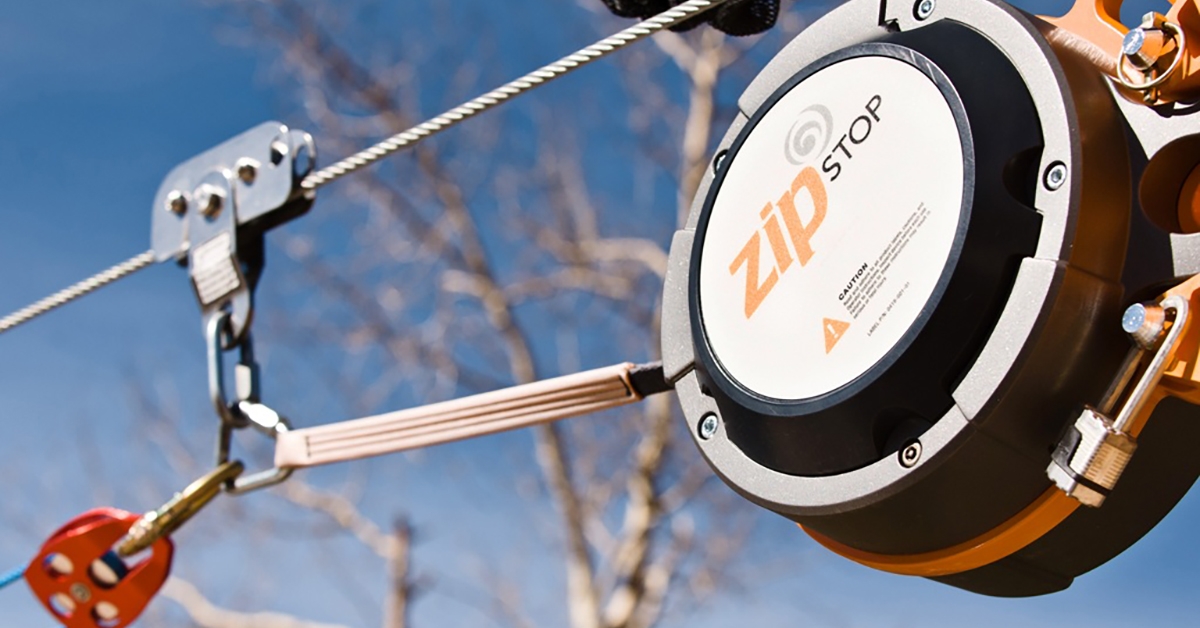
Choosing the right zip line brakes is crucial for risk management, throughput, and equipment longevity. This guide explores the two main categories: active and passive systems. Active brakes, like gloves, place the responsibility on the rider, significantly increasing the risk of injury and causing premature equipment wear. Passive zip line brakes remove rider error by activating automatically. We dive deep into the pros and cons of the most common passive systems, including the consistency of magnetic brakes like the zipSTOP, the inefficiency of gravity brakes, and the harshness of spring brakes. Make an informed decision to improve safety and operational efficiency at your facility.

Continue reading Pros and Cons of Different Zip Line Brakes
Posted on

Zipline Trolley Innovations

Thinking of upgrading your equipment? Our guide to Zipline Trolley Innovations covers key features that boost safety, durability, and operational flow.

The simple zip line trolley is evolving rapidly. This guide explores the latest Zipline Trolley Innovations that are shaping the industry, helping operators improve safety, durability, and throughput. We examine key advancements including carabiner-less trolleys with integrated connectors for one-handed operation, and impact-friendly designs that reduce wear on both the trolley and the brake system. Discover the benefits of field-serviceable models that save on maintenance costs, and learn about the cutting-edge technology of self-braking magnetic trolleys that allow for steeper and more exciting zip line designs. Make an informed investment for your operation.

Continue reading Zipline Trolley Innovations
Posted on

Buyer’s Guide to the Four Most Common Zip Line Brakes

Choosing zip line brakes? Compare the pros and cons of active vs. passive systems to improve throughput, customer experience, and safety on your course.

Choosing the right zip line brakes is a critical decision that impacts your operations, revenue, and risk management. This buyer’s guide provides a detailed comparison of the four most common types of braking systems to help you make an informed choice. We evaluate active brakes, which rely on human intervention, alongside three passive systems: magnetic, spring, and gravity brakes. Each system is analyzed based on essential factors including maintenance requirements, rider throughput, customer experience, use of space, and overall risk. Understand the pros and cons of each method to select the best zip line brakes for your course design and business goals.

Continue reading Buyer’s Guide to the Four Most Common Zip Line Brakes
Posted on

Simplify Installation with the zipSTOP Pivot Mount

The zipSTOP Pivot Mount makes installing your zipSTOP brake easier and more versatile. Get smoother braking, less wear, and better line retraction.

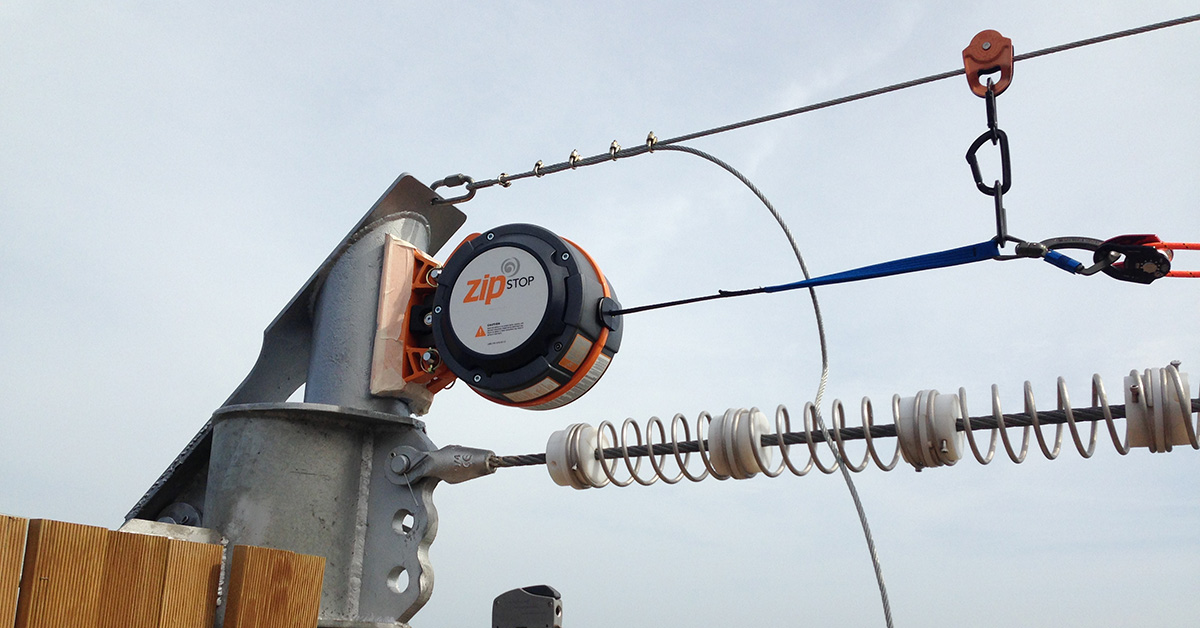
The zipSTOP Pivot Mount is an essential accessory designed to enhance your zip line braking system. It simplifies the installation of your zipSTOP or zipSTOP IR brake, allowing for a wider range of mounting options, including overhead on a gantry. By using this mount, you can achieve smoother braking for a better rider experience, reduce webbing wear, and improve line retraction. Made from lightweight, corrosion-resistant materials and featuring high-quality hardware like a slip-resistant castle nut, the pivot mount is built to endure harsh environments. It’s a cost-effective solution that streamlines your setup and boosts the performance of your zipSTOP device.

Continue reading Simplify Installation with the zipSTOP Pivot Mount
Posted on

White Paper on Zipline Emergency Arrest Devices (EAD)

Choosing zip line brakes? Compare the pros and cons of active vs. passive systems to improve throughput, customer experience, and safety on your course.

A Zipline Emergency Arrest Device (EAD) is a critical safety component designed to stop a rider if the primary brake fails, preventing serious injury or death. This comprehensive guide explores the definition and requirements for EADs according to key industry standards, including the Association for Challenge Course Technology (ACCT) and the American Society for Testing and Materials (ASTM). You’ll learn when an EAD is mandatory, how to properly measure arrival speeds to assess your needs, and review practical examples of compliant EADs like spring packs and dual zipSTOP systems. We also identify common methods, such as tires or prusik knots, that do not qualify as safe emergency brakes, ensuring your operation meets the highest safety standards.

Continue reading White Paper on Zipline Emergency Arrest Devices (EAD)
Posted on

Zip Line Installation: Give them the Best Ride

Thinking of operating a zipline? Learn the key considerations for a safe and profitable investment, from initial design to ongoing upkeep.

A reliable zipline braking system is crucial for ensuring both rider safety and operational efficiency. This guide explores the key aspects of choosing and installing the right brake for your course, from calculating arrival speeds to determining correct braking distances. We delve into advanced solutions like self-regulating magnetic brakes, such as the zipSTOP, and self-braking trolleys that provide a smooth, comfortable, and dependable stop for every rider. Learn about technical considerations, including reduction lines and rider orientation, to help you engineer a thrilling zipline experience that is safe, automatic, and easy for your staff to manage.

Continue reading Zip Line Installation: Give them the Best Ride