Posted on

NEW ISC ZipSpeed XTREME Trolley

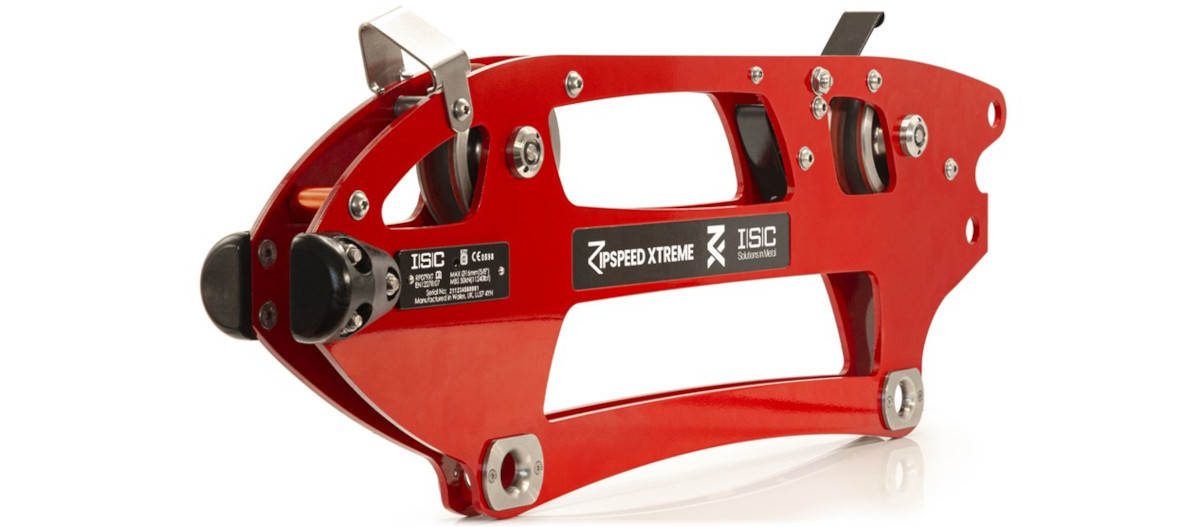
Discover the new ISC ZipSpeed XTREME Trolley. Engineered for high-throughput zip lines, it features a silent anti-rollback cam for quiet operation.

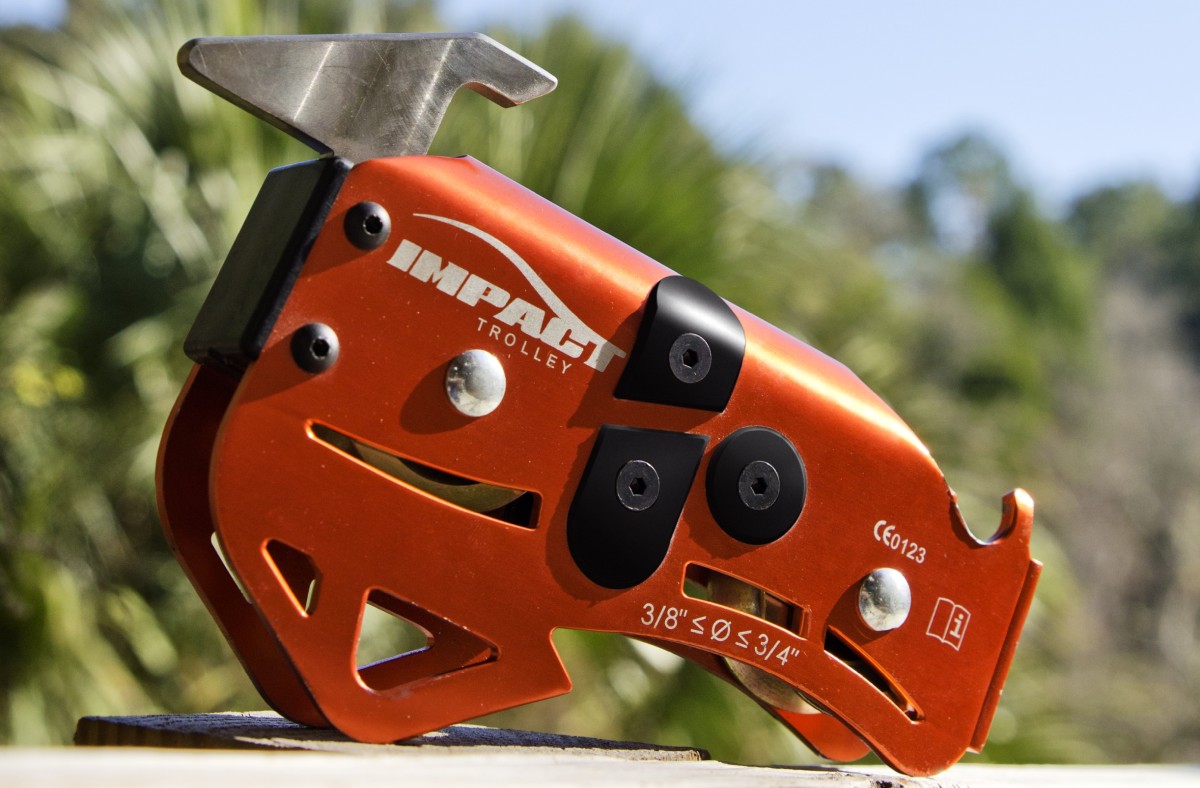
Introducing the ISC ZipSpeed XTREME Trolley, the premier choice for high-speed zip lines where noise reduction is critical. Developed in collaboration with the world’s fastest zip line, this trolley is engineered to perform at over 160kph (100mph) while significantly reducing sound output. This is a crucial advantage for operators seeking planning permission near residential or wildlife areas. The innovative design features noise-dampening polyurethane tires and a unique Noise Reduction Anti-Rollback Cam (NRARC) that uses an ‘air paddle’ to prevent contact and noise during the ride. Durable, fast, and remarkably quiet, the ISC ZipSpeed XTREME Trolley is the ultimate solution for high-throughput attractions that demand world-class performance and minimal environmental impact.

Continue reading NEW ISC ZipSpeed XTREME Trolley


Posted on

Zip Line Design: Complete System overview

Considering a zip line installation? This overview of professional zip line design breaks down the key parts you need for a safe and effective system.

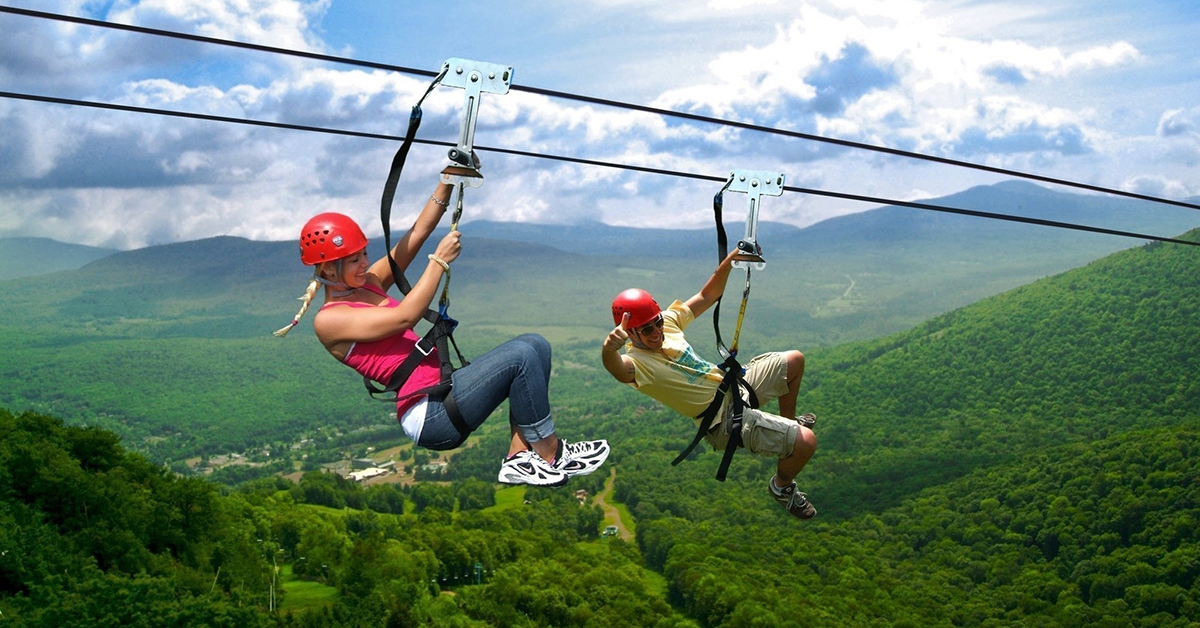
Specifying a commercial zipline means making decisions about a system, not a product. The cable, the trolley, the primary brake, the emergency arrest device, the platforms, and the inspection programme all interact — a choice made at one point affects what is possible at another. This overview covers each component in sequence, with the decisions and constraints operators need to understand before committing to a design.

Continue reading Zip Line Design: Complete System overview
Posted on

All About Bearings: Why Zip Line Trolley Bearings Matter

Don't let failing zip line trolley bearings slow you down. Discover how precision-engineered bearings extend equipment life and boost performance.

The zip line trolley bearings might be a small component, but they are crucial to the speed, smoothness, and lifespan of your equipment. In many trolleys, bearings are the first point of failure, leading to costly replacements and downtime. This guide explains why high-quality bearings matter so much. We break down the components of a bearing and explore the key features that separate a superior product from the rest, such as ABEC ratings for high-speed performance, durable steel cages that resist heat, and metal shields for long-term protection. Learn how investing in trolleys with precision-engineered bearings can extend the life of your fleet and improve your overall return on investment.

Continue reading All About Bearings: Why Zip Line Trolley Bearings Matter
Posted on

Whitepaper: Zipline Braking Dynamics

A technical look at zipline braking dynamics. This guide covers system design, risk mitigation, g-load calculations, and EAD testing for operators.

This technical whitepaper provides a comprehensive analysis of zipline braking dynamics, exploring the critical physics and safety standards that govern a complete braking system. We delve into the industry requirements from ACCT and ASTM, explaining why a primary brake must be paired with a mandatory Emergency Arrest Device (EAD) to create a fail-safe system. Using data on arrival speeds, g-loads, and human tolerance to impact, we illustrate the immense forces at play and the catastrophic potential of brake failure. Understand why manual EADs are not advisable and learn the proper methods for testing your entire brake system to ensure it performs reliably under worst-case scenarios. This is an essential resource for zip line designers, builders, and operators.

Continue reading Whitepaper: Zipline Braking Dynamics
Posted on

Does your Zipline need an Emergency Arrest Device (EAD)?

Is your zip line compliant? Discover what an Emergency Arrest Device is and why this backup brake is mandatory for avoiding a single point of failure.

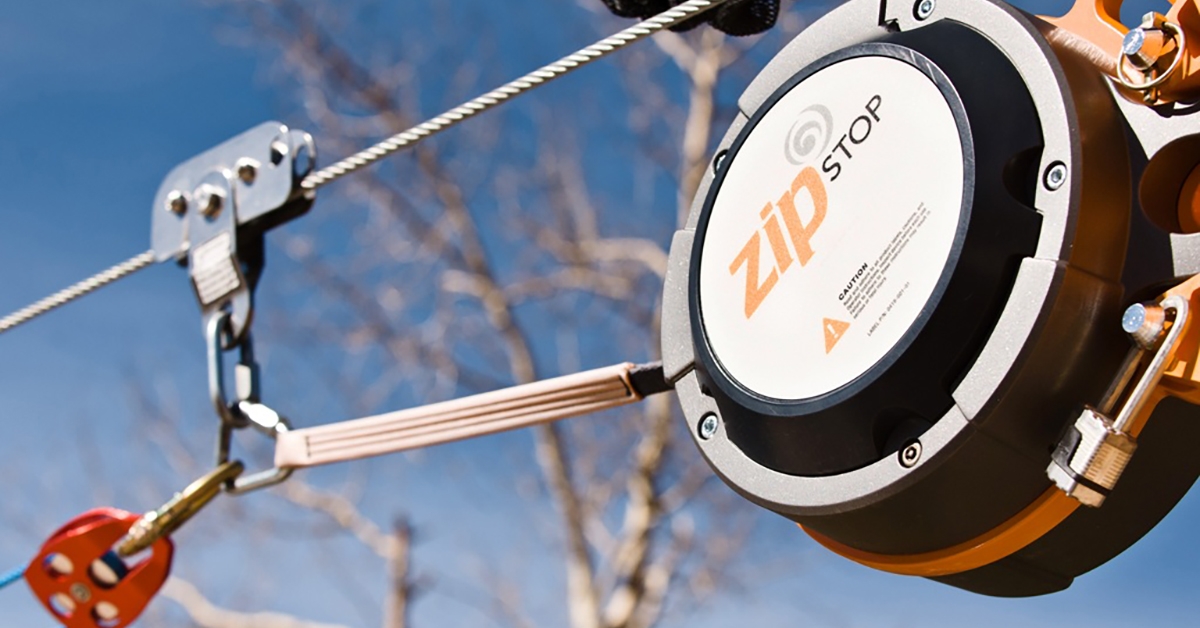
According to international standards, every high-speed zip line requires an Emergency Arrest Device (EAD) to ensure rider safety. But what exactly is an EAD and is your operation compliant? This article explains why a backup brake is mandatory to eliminate a ‘single point of failure’ in your system. We define what an Emergency Arrest Device is, explore the different types of primary and secondary braking systems (manual, automatic, and gravity-fed), and clarify why an EAD is necessary even when using a reliable primary brake like the zipSTOP. Ensure your zip line meets safety standards and provides the ultimate protection for your riders by understanding this critical component.

Continue reading Does your Zipline need an Emergency Arrest Device (EAD)?
Posted on

Zip Line Trolley Inspection and maintenance

Master zip line trolley inspection and maintenance. Our expert guide covers routine checks, cleaning tips, and creating a site-specific manual for your park.

Proper zip line trolley inspection and maintenance are essential for the safety, longevity, and efficiency of any aerial adventure park. While manufacturer guidelines provide a baseline, every operation has unique needs based on its environment and usage levels. This guide covers the fundamental principles of trolley upkeep, from simple cleaning with soap and water to the importance of meticulous documentation. We explore the critical roles of daily and monthly inspections, the value of investing in trained technicians, and how detailed record-keeping allows you to create a site-specific operational manual. By implementing these systematic procedures, you can reduce downtime, lower costs, and ensure your trolleys operate safely for years to come.

Continue reading Zip Line Trolley Inspection and maintenance
Posted on

Pros and Cons of Different Zip Line Brakes

Which zip line brakes are right for your operation? Compare active vs. passive systems, including magnetic, gravity, and spring-based options.

Choosing the right zip line brakes is crucial for risk management, throughput, and equipment longevity. This guide explores the two main categories: active and passive systems. Active brakes, like gloves, place the responsibility on the rider, significantly increasing the risk of injury and causing premature equipment wear. Passive zip line brakes remove rider error by activating automatically. We dive deep into the pros and cons of the most common passive systems, including the consistency of magnetic brakes like the zipSTOP, the inefficiency of gravity brakes, and the harshness of spring brakes. Make an informed decision to improve safety and operational efficiency at your facility.

Continue reading Pros and Cons of Different Zip Line Brakes
Posted on

Simplify Installation with the zipSTOP Pivot Mount

The zipSTOP Pivot Mount makes installing your zipSTOP brake easier and more versatile. Get smoother braking, less wear, and better line retraction.

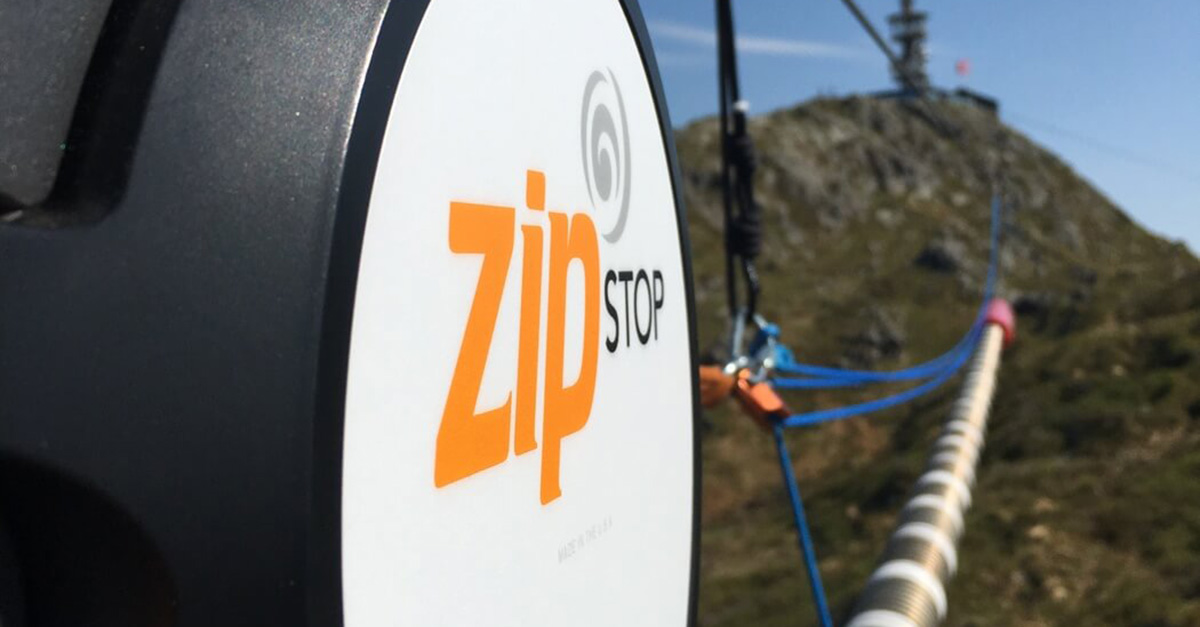
The zipSTOP Pivot Mount is an essential accessory designed to enhance your zip line braking system. It simplifies the installation of your zipSTOP or zipSTOP IR brake, allowing for a wider range of mounting options, including overhead on a gantry. By using this mount, you can achieve smoother braking for a better rider experience, reduce webbing wear, and improve line retraction. Made from lightweight, corrosion-resistant materials and featuring high-quality hardware like a slip-resistant castle nut, the pivot mount is built to endure harsh environments. It’s a cost-effective solution that streamlines your setup and boosts the performance of your zipSTOP device.

Continue reading Simplify Installation with the zipSTOP Pivot Mount
Posted on

Zip Line Pulley and Trolley Inspection

When should you retire a zipline trolley? This guide on Zip Line Pulley and Trolley Inspection covers the criteria for safe removal from service.

Regular Zip Line Pulley and Trolley Inspection is essential for ensuring operational safety and maximizing the life of your equipment. This guide provides detailed inspection criteria for key components to identify issues before they become serious problems. Learn what to look for when examining trolley housings, including deformation, sharp edges, and cracks. We cover how to assess sheaves and bearings for wear, noise, or excessive movement, and explain the importance of checking impact surfaces and accessories. Understanding these regular checks helps prevent premature wear and ensures riders have a safe experience every time.

Continue reading Zip Line Pulley and Trolley Inspection
Posted on

White Paper on Zipline Emergency Arrest Devices (EAD)

Choosing zip line brakes? Compare the pros and cons of active vs. passive systems to improve throughput, customer experience, and safety on your course.

A Zipline Emergency Arrest Device (EAD) is a critical safety component designed to stop a rider if the primary brake fails, preventing serious injury or death. This comprehensive guide explores the definition and requirements for EADs according to key industry standards, including the Association for Challenge Course Technology (ACCT) and the American Society for Testing and Materials (ASTM). You’ll learn when an EAD is mandatory, how to properly measure arrival speeds to assess your needs, and review practical examples of compliant EADs like spring packs and dual zipSTOP systems. We also identify common methods, such as tires or prusik knots, that do not qualify as safe emergency brakes, ensuring your operation meets the highest safety standards.

Continue reading White Paper on Zipline Emergency Arrest Devices (EAD)