Posted on

Understanding Zip Line Braking Technologies

A complete guide to active vs passive zip line brakes. Understand the pros, cons, and safety implications of each system before you choose.

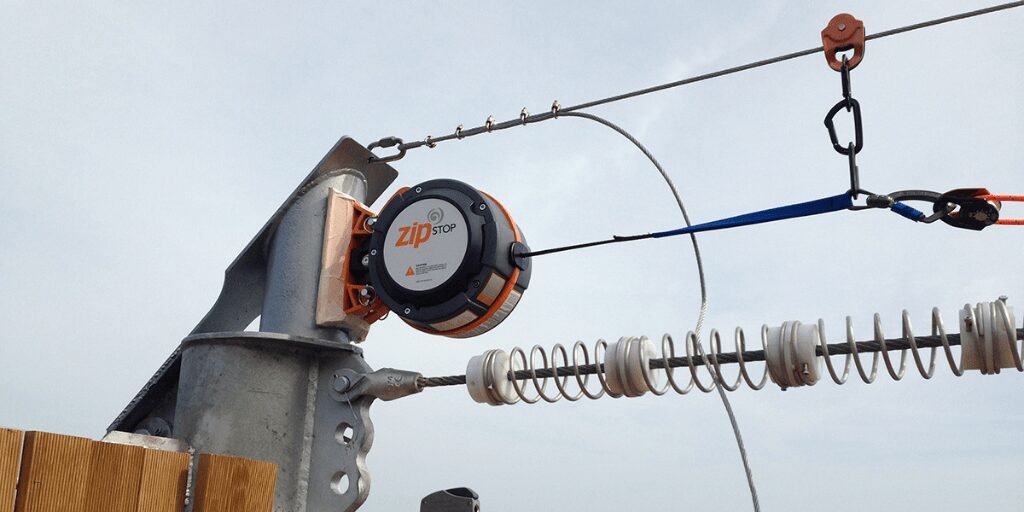
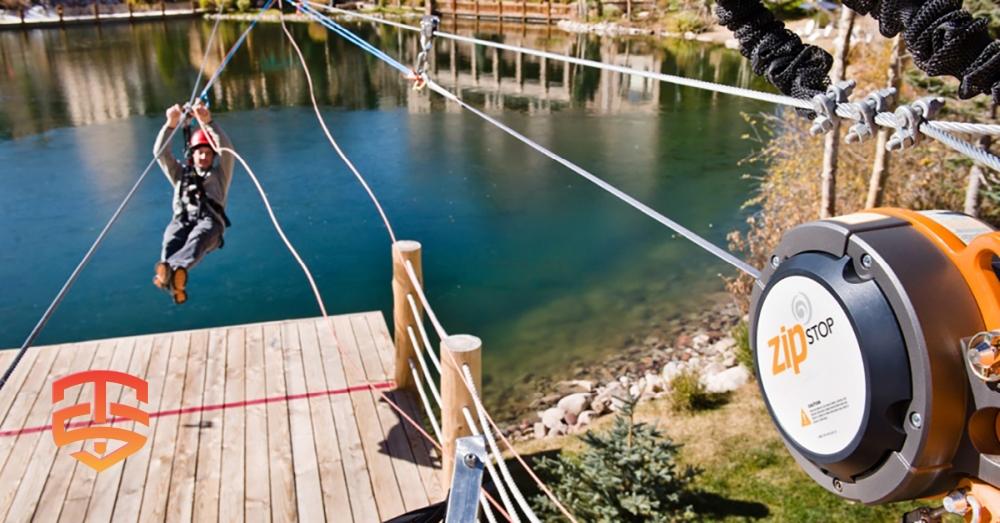
Choosing between active vs passive zip line brakes is a critical decision that impacts rider safety, operational efficiency, and your bottom line. This guide provides a complete comparison of these two core braking technologies. Learn about active brakes, which require rider intervention, and their inherent risks, including user error, potential for injury, and operational delays. We then explore the significant advantages of passive brakes, which engage automatically for a safer, more consistent experience. Discover the different types of passive systems, from innovative magnetic brakes like the zipSTOP to spring packs, and understand why they are the superior choice for modern zip line courses.

Continue reading Understanding Zip Line Braking Technologies

Posted on

Our Foundation: Engineering Excellence

Learn how our certified magnetic braking technology can improve your facility's safety, reduce maintenance, and manage risk. Read our guide.

This guide provides an in-depth look at the magnetic braking technology that powers the world’s most reliable adventure equipment. As the foundation of our engineering excellence, this patented system is designed for ultimate dependability. Learn how our non-contact eddy current braking works, creating a smooth and consistent experience without any friction parts that can wear out or fail. This means superior safety, lower maintenance costs, and peace of mind for operators. We also detail the rigorous third-party testing and certifications, including EN 341 and EN 360, that prove the reliability of our magnetic braking technology across millions of cycles.

Continue reading Our Foundation: Engineering Excellence
Posted on

Ziplines 2.0: The Magnetic Shift Towards Enhanced Efficiency

Riders getting stuck? Boost your zipline efficiency and throughput with modern magnetic braking systems. Learn how this tech reduces delays.

This guide explores the key to modern zipline efficiency and profitability. For any successful zipline business, maximizing throughput—the rate at which customers move through your course—is essential. We explain how outdated braking systems can cause significant delays and hurt your bottom line. Discover how a strategic investment in innovative technology like magnetic braking trolleys and automatic braking systems can revolutionize your operations. Learn how these systems enhance zipline efficiency by automating the braking process, reducing the chance of riders getting stuck, minimizing staffing needs, and delivering a consistently safe and enjoyable experience for every guest.

Continue reading Ziplines 2.0: The Magnetic Shift Towards Enhanced Efficiency
Posted on

When Speed Meets Safety: The Science Behind Effective Zip Line Braking

For designers & operators: Understand the critical components of a zipline brake system. This guide covers EADs, testing, and risk mitigation.

This is your expert guide to designing a compliant and effective zipline brake system. A safe ride is about more than just a primary brake; it requires a complete system that includes a mandatory Emergency Arrest Device (EAD) to prevent serious injury in case of primary brake failure. We dive deep into the specific requirements of industry safety standards from ACCT and ASTM, explaining what constitutes a “fail-safe” design. Learn why a comprehensive zipline brake system must be rigorously tested for the full range of rider weights and arrival speeds, and why guide-activated backups are not a substitute for a true EAD.

Continue reading When Speed Meets Safety: The Science Behind Effective Zip Line Braking
Posted on

The Ultimate Guide to Zip Line Emergency Arrest Devices

A expert guide for choosing zip line emergency arrest devices. Learn about ACCT/ASTM standards and compare options like zipSTOP, springs, and airbags.

This is your ultimate guide to zip line emergency arrest devices (EADs), a critical safety component for any professional zip line. As rides get longer and faster, a reliable EAD is essential to protect riders in case of primary brake failure. We break down the specific requirements from industry standards bodies like ACCT and ASTM to ensure your course is compliant. This guide provides a step-by-step process for choosing the right EAD for your operation, from consulting with your engineer to rigorous testing. We also explore popular options on the market, including magnetic brakes like the zipSTOP, spring packs, and airbags.

Continue reading The Ultimate Guide to Zip Line Emergency Arrest Devices
Posted on

Zip Line Safety First: Choose the Right Brake for Your Ride

Building a zip line? This guide helps you select the perfect zip line brake based on line length, rider weight, and maintenance needs.

Choosing the correct zip line brake is the most important decision for ensuring a safe and thrilling ride. This ultimate guide helps you navigate the options and make an informed choice. We compare the pros and cons of the most common braking methods, from simple hand brakes to highly effective spring and magnetic systems. Learn what crucial factors you need to consider before buying, including rider weight limits, line length, and long-term maintenance needs. Plus, we provide expert tips for proper zip line brake installation to guarantee a safe, controlled stop for every rider. Make safety your top priority with this essential guide.

Continue reading Zip Line Safety First: Choose the Right Brake for Your Ride
Posted on

Engineering Adventure: Designing for Reliability

Upgrade your facility with the latest adventure equipment for Family Fun Centers. Boost thrills, improve safety, and increase operational efficiency.

At Thrill Syndicate, engineering for adventure product reliability is our primary mission. This guide offers an inside look at our design philosophy for creating the world’s safest climbing, zip line, and free fall experiences. We explain how our patented eddy current magnetic braking technology is the key to this reliability. Unlike friction-based systems, our non-contact brakes have no parts that wear out or fail, dramatically reducing maintenance and managing risk. Learn about our ‘fail-to-safe’ design principle that ensures predictable outcomes in the unlikely event of a system failure. Discover how we engineer peace of mind for both operators and their guests.

Continue reading Engineering Adventure: Designing for Reliability
Posted on

Magnetic Zipline Braking: Revolutionary Ride Safety

Upgrade your course with magnetic zipline braking. This guide for operators explains the benefits of lower maintenance and enhanced safety.

Discover the future of ride safety with magnetic zipline braking. This guide explains how this revolutionary technology provides a safer and more reliable experience compared to traditional friction brakes. Learn the science behind eddy current braking—a non-contact system that ensures a smooth, consistent stop for every rider, every time. We explore the significant benefits for operators, including enhanced safety, dramatically reduced wear and tear, and lower long-term maintenance costs. From end-of-line systems like the zipSTOP to advanced self-braking trolleys, see why magnetic zipline braking is becoming the new standard for world-class adventure attractions.

Continue reading Magnetic Zipline Braking: Revolutionary Ride Safety
Posted on

The Importance of Optimizing Zip Line Design for Rider Speed

Understand the physics behind zip line rider speed. This article covers all the variables, from rider weight and drag to cable tension and temperature.

Controlling zip line rider speed is one of the most critical aspects of safe and successful zip line design. This designer’s guide explores the complex variables that determine how fast a rider travels. We go beyond simple gravity and slope to analyze the crucial environmental factors that can alter arrival speeds, including rider drag, headwinds and tailwinds, trolley friction, and rider weight. Learn how temperature fluctuations can change cable tension and impact performance. Understanding these elements is key to creating speed envelopes that ensure a consistent, safe, and exhilarating experience for every rider, every time. This is essential reading for any zip line designer or engineer.

Continue reading The Importance of Optimizing Zip Line Design for Rider Speed
Posted on

The Trolley Revolution in the Adventure Industry

Learn how our certified magnetic braking technology can improve your facility's safety, reduce maintenance, and manage risk. Read our guide.

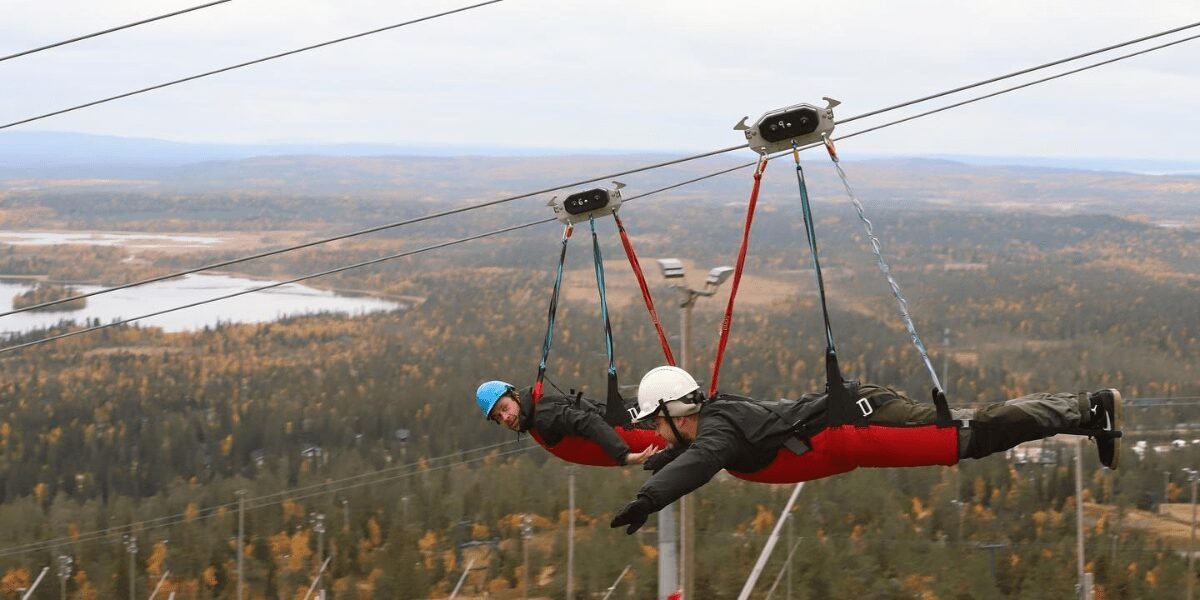
Discover the latest revolution in adventure park technology: the magnetic zipline trolley. While trolley systems are evolving with features like multi-rider options, the introduction of magnetic braking is a true game-changer. Unlike traditional trolleys that rely on friction, the magnetic zipline trolley uses powerful neodymium magnets to provide a smooth, controlled, and exceptionally reliable stop. This guide explains how this technology enhances rider safety, offers variable speed control for a customized experience, and drastically reduces maintenance costs by eliminating brake pads and other wearing parts. Learn why this state-of-the-art system is becoming the preferred choice for operators seeking to improve both safety and the guest experience.

Continue reading The Trolley Revolution in the Adventure Industry