Posted on

Buyer’s Guide to the Four Most Common Zip Line Brakes

Choosing zip line brakes? Compare the pros and cons of active vs. passive systems to improve throughput, customer experience, and safety on your course.

Choosing the right zip line brakes is a critical decision that impacts your operations, revenue, and risk management. This buyer’s guide provides a detailed comparison of the four most common types of braking systems to help you make an informed choice. We evaluate active brakes, which rely on human intervention, alongside three passive systems: magnetic, spring, and gravity brakes. Each system is analyzed based on essential factors including maintenance requirements, rider throughput, customer experience, use of space, and overall risk. Understand the pros and cons of each method to select the best zip line brakes for your course design and business goals.

Continue reading Buyer’s Guide to the Four Most Common Zip Line Brakes
Posted on

Simplify Installation with the zipSTOP Pivot Mount

The zipSTOP Pivot Mount makes installing your zipSTOP brake easier and more versatile. Get smoother braking, less wear, and better line retraction.

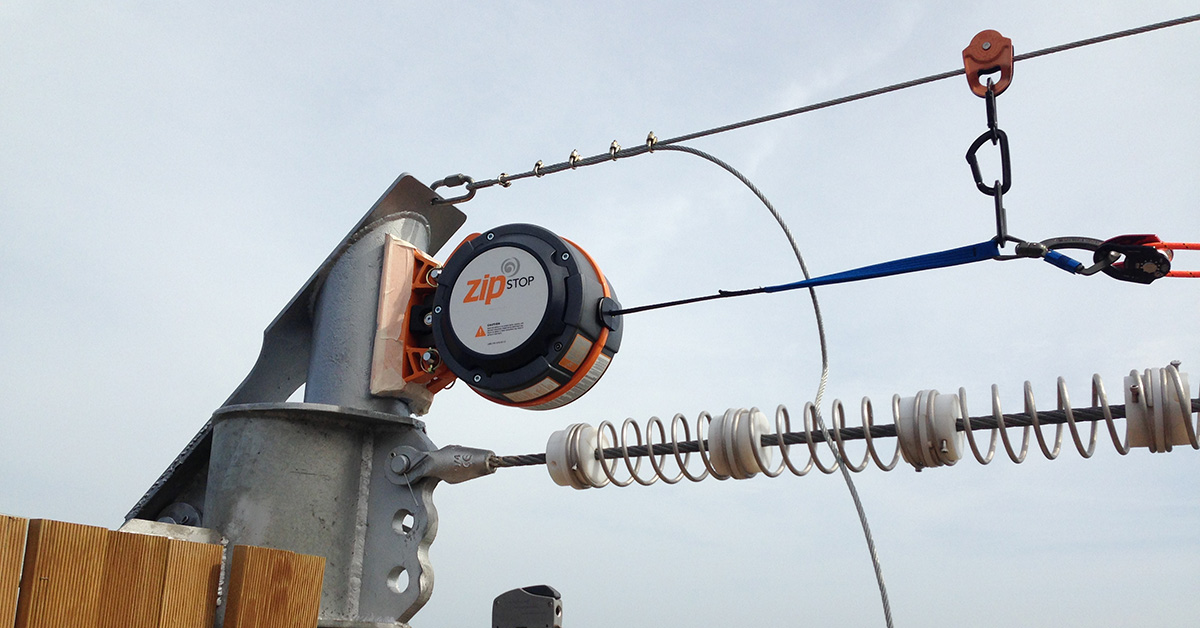
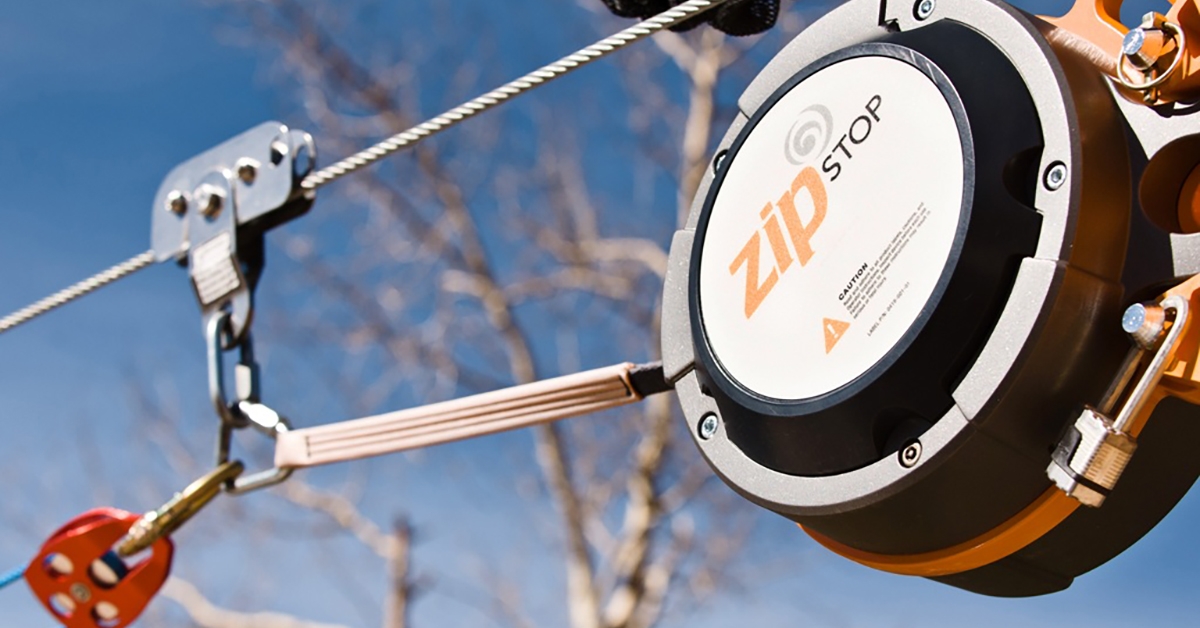
The zipSTOP Pivot Mount is an essential accessory designed to enhance your zip line braking system. It simplifies the installation of your zipSTOP or zipSTOP IR brake, allowing for a wider range of mounting options, including overhead on a gantry. By using this mount, you can achieve smoother braking for a better rider experience, reduce webbing wear, and improve line retraction. Made from lightweight, corrosion-resistant materials and featuring high-quality hardware like a slip-resistant castle nut, the pivot mount is built to endure harsh environments. It’s a cost-effective solution that streamlines your setup and boosts the performance of your zipSTOP device.

Continue reading Simplify Installation with the zipSTOP Pivot Mount
Posted on

Zip Line Pulley and Trolley Inspection

When should you retire a zipline trolley? This guide on Zip Line Pulley and Trolley Inspection covers the criteria for safe removal from service.

Regular Zip Line Pulley and Trolley Inspection is essential for ensuring operational safety and maximizing the life of your equipment. This guide provides detailed inspection criteria for key components to identify issues before they become serious problems. Learn what to look for when examining trolley housings, including deformation, sharp edges, and cracks. We cover how to assess sheaves and bearings for wear, noise, or excessive movement, and explain the importance of checking impact surfaces and accessories. Understanding these regular checks helps prevent premature wear and ensures riders have a safe experience every time.

Continue reading Zip Line Pulley and Trolley Inspection
Posted on

White Paper on Zipline Emergency Arrest Devices (EAD)

Choosing zip line brakes? Compare the pros and cons of active vs. passive systems to improve throughput, customer experience, and safety on your course.

A Zipline Emergency Arrest Device (EAD) is a critical safety component designed to stop a rider if the primary brake fails, preventing serious injury or death. This comprehensive guide explores the definition and requirements for EADs according to key industry standards, including the Association for Challenge Course Technology (ACCT) and the American Society for Testing and Materials (ASTM). You’ll learn when an EAD is mandatory, how to properly measure arrival speeds to assess your needs, and review practical examples of compliant EADs like spring packs and dual zipSTOP systems. We also identify common methods, such as tires or prusik knots, that do not qualify as safe emergency brakes, ensuring your operation meets the highest safety standards.

Continue reading White Paper on Zipline Emergency Arrest Devices (EAD)
Posted on

Zip Line Installation: Give them the Best Ride

Thinking of operating a zipline? Learn the key considerations for a safe and profitable investment, from initial design to ongoing upkeep.

A reliable zipline braking system is crucial for ensuring both rider safety and operational efficiency. This guide explores the key aspects of choosing and installing the right brake for your course, from calculating arrival speeds to determining correct braking distances. We delve into advanced solutions like self-regulating magnetic brakes, such as the zipSTOP, and self-braking trolleys that provide a smooth, comfortable, and dependable stop for every rider. Learn about technical considerations, including reduction lines and rider orientation, to help you engineer a thrilling zipline experience that is safe, automatic, and easy for your staff to manage.

Continue reading Zip Line Installation: Give them the Best Ride
Posted on

Zipwire’s and Zipline’s: A thrilling experience!

Effective zip line design is crucial for creating a thrilling and efficient experience for any venue. This guide explores the key elements of constructing a zipline or Flying Fox, from permanent park installations to temporary setups for events. We cover essential considerations like managing visitor turnover ratios to prevent bottlenecks, various launch platform options (trees, towers, existing premises), and multiple exit strategies for maximum safety and throughput. Whether you’re planning a course over rugged terrain, open water, or even an indoor facility, discover the wide range of design configurations available to maximize both the thrill and the return on your investment.

Continue reading Zipwire’s and Zipline’s: A thrilling experience!
Posted on

How to prevent many Zipline mistakes that you’re not aware of

From braking errors to improper engineering, avoid these critical zipline mistakes. Our guide shows how to reduce risk and improve the rider experience.

Are you making common zipline mistakes without even realizing it? This guide identifies and provides solutions for the nine most critical errors in zip line operations, particularly for high-speed courses using impact braking. Many of these issues can significantly increase risk, diminish the customer experience, and ultimately hurt your profitability. You will learn how to address crucial variables, from operating without an Emergency Arrest Device (EAD) and requiring manual braking to improper engineering and failing to inspect equipment. By preventing these common pitfalls, you can dramatically reduce participant risk, increase throughput, and ensure every rider has a thrilling and safe experience that encourages them to come back again and again.

Continue reading How to prevent many Zipline mistakes that you’re not aware of
Posted on

The Science of Eddy Current Magnetic Braking

What is eddy current magnetic braking? Explore the advanced science of this system used in climbing auto belays & zip lines for a controlled descent.

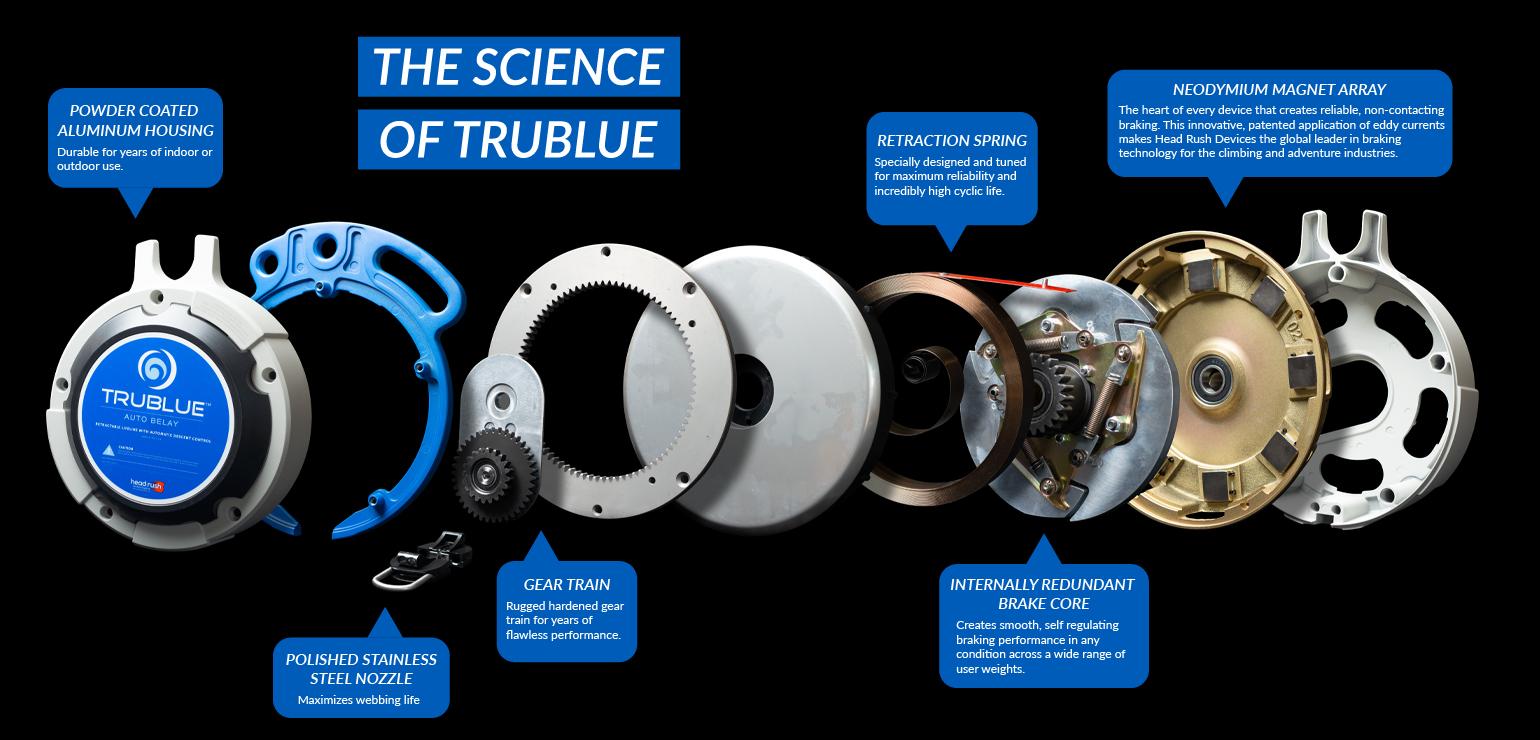
Discover the science behind eddy current braking, a revolutionary technology that uses electromagnetism for exceptionally smooth and reliable stops. Unlike mechanical systems, this frictionless method creates opposing magnetic forces within a conductor to slow movement without any contacting parts. This results in a highly durable, low-maintenance solution that enhances safety and performance. Learn how eddy current braking is the driving force behind leading recreational equipment, from TRUBLUE auto belays in climbing gyms to advanced zip line brakes and free fall devices, providing a consistent and safe experience for users of all weights.

Continue reading The Science of Eddy Current Magnetic Braking
Posted on

Zipline Trolleys – The Overturning Moment

Learn about the hidden zipline trolley overturning moment that damages your gear. Discover innovative designs that prevent wear for a safer, longer-lasting system.

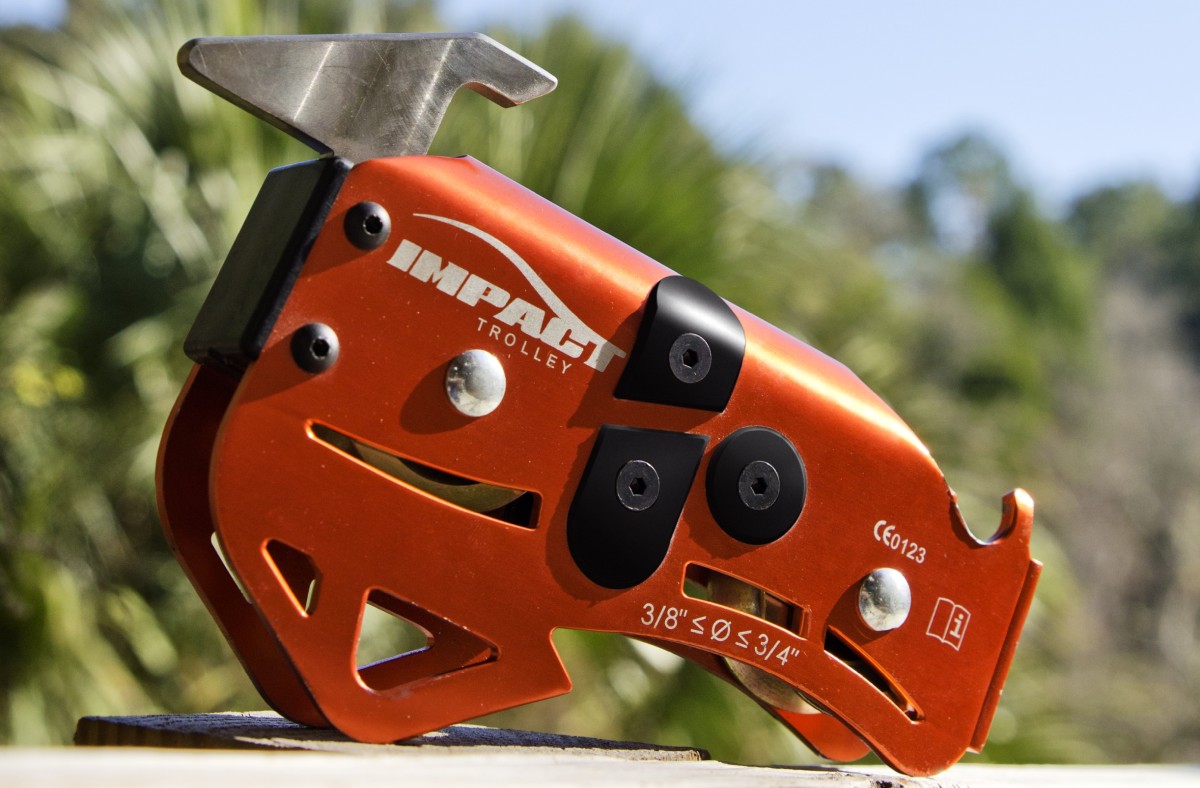
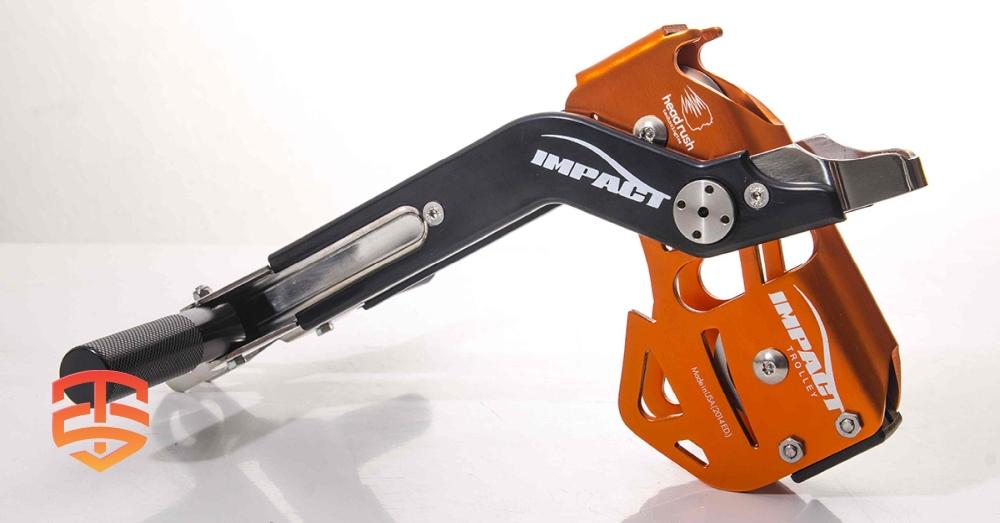
Most zipline operators are unaware of the destructive zipline trolley overturning moment that happens during braking. This is when a rider’s momentum causes the trolley to do a “wheelie” on the cable, lifting the front sheave and dragging the trolley body against the line at high speed. While a single instance isn’t a major issue, repeating this motion multiple times a day leads to significant wear on both the trolley and the cable, shortening the lifespan of your equipment.

Continue reading Zipline Trolleys – The Overturning Moment