Posted on

Does your Zipline need an Emergency Arrest Device (EAD)?

Is your zip line compliant? Discover what an Emergency Arrest Device is and why this backup brake is mandatory for avoiding a single point of failure.

According to international standards, every high-speed zip line requires an Emergency Arrest Device (EAD) to ensure rider safety. But what exactly is an EAD and is your operation compliant? This article explains why a backup brake is mandatory to eliminate a ‘single point of failure’ in your system. We define what an Emergency Arrest Device is, explore the different types of primary and secondary braking systems (manual, automatic, and gravity-fed), and clarify why an EAD is necessary even when using a reliable primary brake like the zipSTOP. Ensure your zip line meets safety standards and provides the ultimate protection for your riders by understanding this critical component.

Continue reading Does your Zipline need an Emergency Arrest Device (EAD)?
Posted on

TRU-Lock Auto Belay Carabiner with Dual Connection option

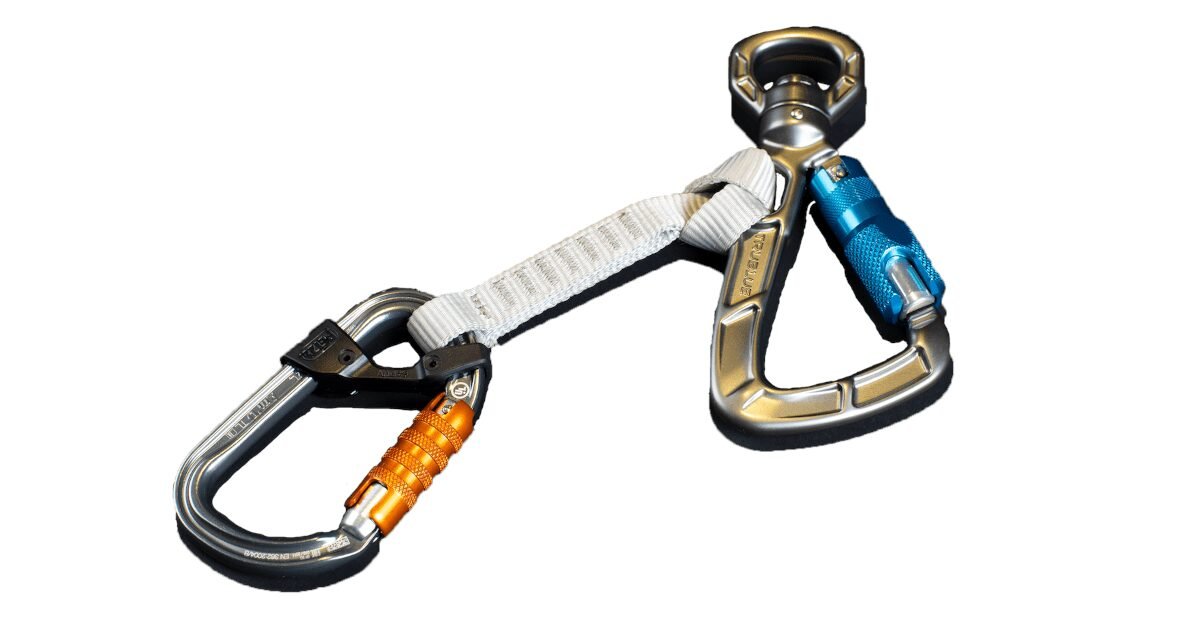
Upgrade your system with the TRU-Lock Auto Belay Carabiner. Its integrated secondary connection point is designed to minimize climber attachment errors.

Discover the TRU-Lock Auto Belay Carabiner, the most sophisticated connector engineered specifically for auto belay systems. This purpose-built carabiner combines an advanced triple-stage automatic locking gate with a high-quality swivel for smooth, reliable performance. Its most innovative feature is an integrated, full-strength secondary connection point, allowing for an optional dual connection to the climber. This backup option significantly reduces the possibility of incorrect user attachment, enhancing safety for both recreational and competition climbing. Learn about its premium build quality, ergonomic design, and why the TRU-Lock is the new standard for auto belay safety and performance.

Continue reading TRU-Lock Auto Belay Carabiner with Dual Connection option
Posted on

World’s first catch-and-hold auto belay, the TRUBLUE iQ+

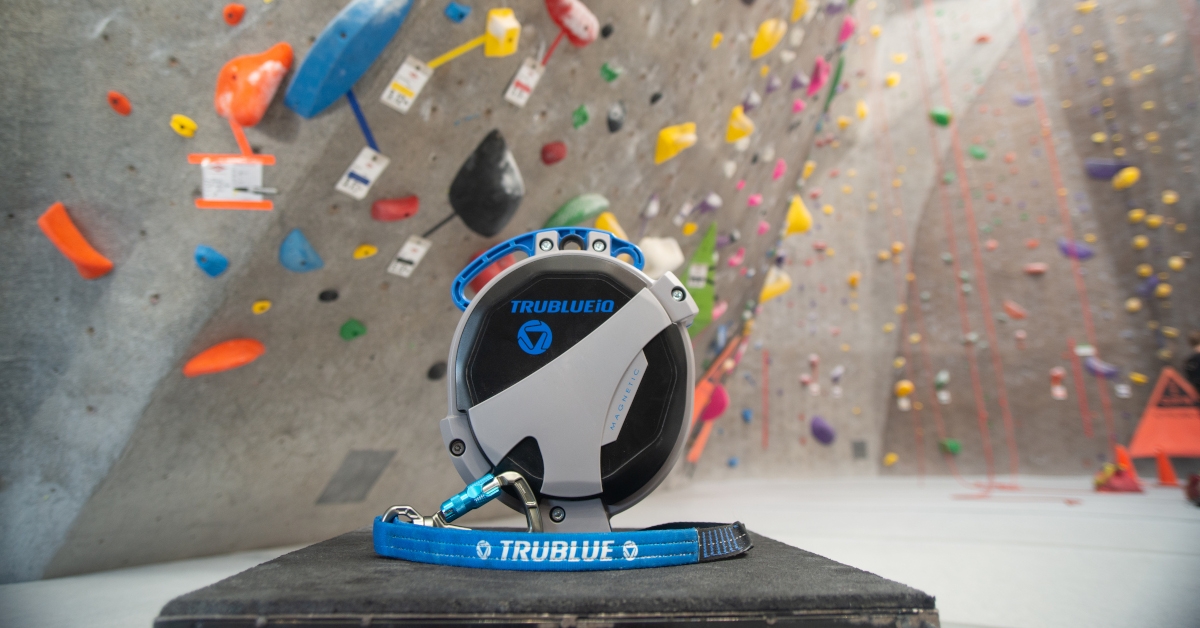
Tired of being lowered after every fall? The TRUBLUE iQ+ is a revolutionary catch-and-hold auto belay that lets you rest and finish your climb.

Introducing the TRUBLUE iQ+, the world’s first catch-and-hold auto belay designed to be your new climbing partner. This groundbreaking technology solves a major frustration for climbers by allowing you to rest on the wall after a fall. Instead of being immediately lowered, the iQ+ will catch and hold you for up to 30 seconds, giving you the chance to recover and continue your climb. Activated by a simple button at the base of the route, this feature is perfect for projecting difficult routes and pushing your limits. The TRUBLUE iQ+ combines its revolutionary catch-and-hold system with proven magnetic braking, built-in durability, and future-proof connectivity, making it the smartest auto belay on the planet.

Continue reading World’s first catch-and-hold auto belay, the TRUBLUE iQ+
Posted on

Expert Tips for Zip Line Brake Installations

Riders getting stuck? Boost your zipline efficiency and throughput with modern magnetic braking systems. Learn how this tech reduces delays.

A proper zip line brake installation is critical for rider safety, throughput, and creating an unforgettable guest experience. While a quality brake system is essential, peak performance depends on all components working together in harmony. This guide covers the crucial variables you must consider during setup. Learn why your choice of reduction line and pulley can dramatically impact the braking experience, how to adjust rope slack for smooth and consistent stops, and the importance of ensuring the brake webbing is free of twists. By optimizing these key elements, you can ensure every rider has a safe and enjoyable stop, improving your zip line’s overall operation and profitability.

Continue reading Expert Tips for Zip Line Brake Installations
Posted on

Drive Revenue and Customer Satisfaction with Auto Belays

Is your climbing gym pricing strategy maximizing revenue? Explore demand elasticity to find the perfect price for your memberships and day passes.

Developing an effective climbing gym pricing strategy requires more than just matching your competitors. This article breaks down the business concept of price elasticity of demand to help you understand how changing your prices for day passes or memberships can impact your revenue and customer base. We explore key factors that influence a climber’s decision, such as the income effect and the availability of substitute goods like other gyms or outdoor climbing. By understanding whether demand for your services is elastic or inelastic, you can make smarter financial decisions, forecast sales more accurately, and find the pricing sweet spot that attracts new clients and drives sustainable growth.

Continue reading Drive Revenue and Customer Satisfaction with Auto Belays
Posted on

Zip Line Trolley Inspection and maintenance

Master zip line trolley inspection and maintenance. Our expert guide covers routine checks, cleaning tips, and creating a site-specific manual for your park.

Proper zip line trolley inspection and maintenance are essential for the safety, longevity, and efficiency of any aerial adventure park. While manufacturer guidelines provide a baseline, every operation has unique needs based on its environment and usage levels. This guide covers the fundamental principles of trolley upkeep, from simple cleaning with soap and water to the importance of meticulous documentation. We explore the critical roles of daily and monthly inspections, the value of investing in trained technicians, and how detailed record-keeping allows you to create a site-specific operational manual. By implementing these systematic procedures, you can reduce downtime, lower costs, and ensure your trolleys operate safely for years to come.

Continue reading Zip Line Trolley Inspection and maintenance
Posted on

7 Ways Magnetic Braking Is Better Than Friction

Considering Magnetic Braking vs Friction for your gym? Learn how magnetic systems prevent brake fade and ensure a consistent, safe descent for all climbers.

When it comes to auto belay systems, the Magnetic Braking vs Friction debate has a clear winner for reliability and performance. While friction-based systems are prone to issues like brake fade from heat, thermal deterioration, and inconsistent performance when exposed to dust or water, magnetic braking offers a superior solution. Magnetic systems use non-contacting eddy currents to create a self-regulating braking force that provides a consistent, smooth descent for climbers of all weights. This advanced technology eliminates the need for sacrificial wear parts like brake pads, resulting in lower maintenance, reduced service costs, and dependable performance in all conditions.

Posted on

No Belayer Necessary: Understanding Auto belays

Our complete guide to the auto belay. Understand the technology, safety procedures, and benefits for solo training, running laps, and improving technique.

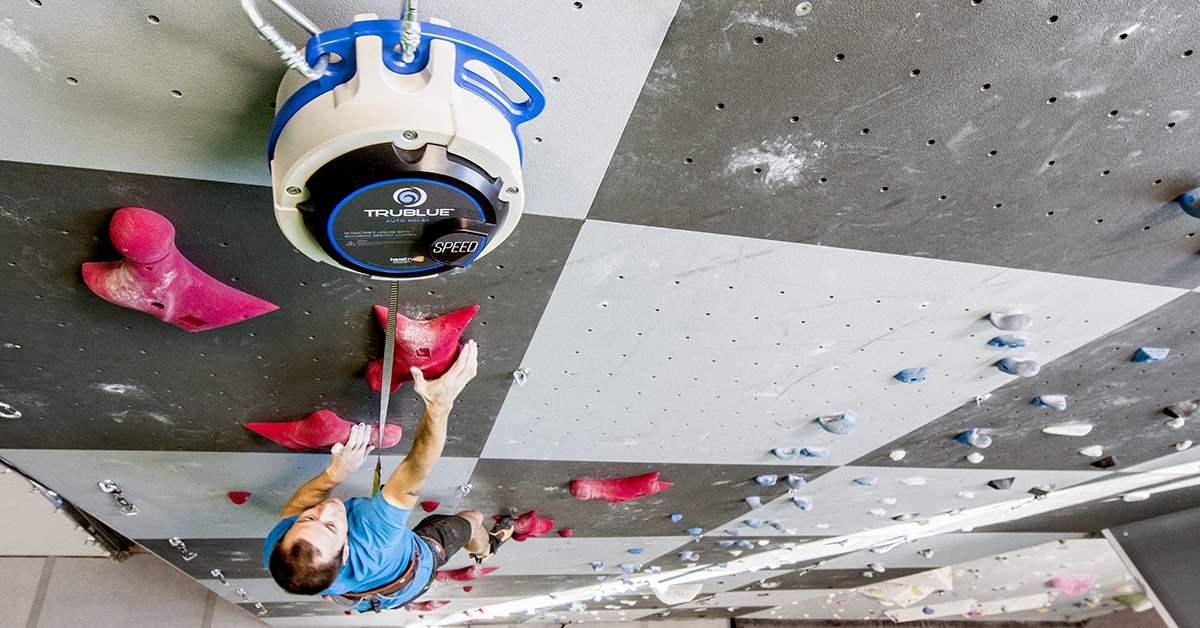
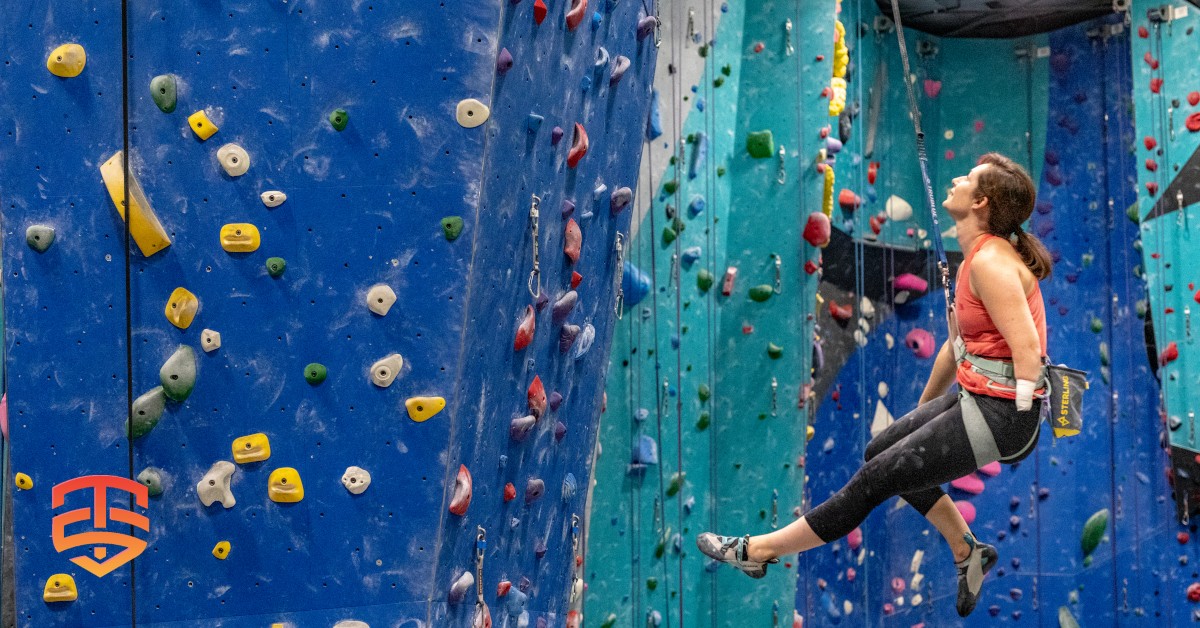
An auto belay is a device that allows you to climb roped routes in a gym without a human belayer. It automatically picks up slack as you climb and provides a controlled descent when you fall or reach the top. This guide explains everything you need to know, from the internal mechanics to safe usage. We break down the two main types of braking systems—magnetic (eddy current) and friction (centrifugal force)—and how they differ. You’ll also learn the proper steps for clipping in, what to check before you climb, and how an auto belay can be a powerful tool for training endurance, improving footwork, and practicing for lead climbing.

Continue reading No Belayer Necessary: Understanding Auto belays
Posted on

Pros and Cons of Different Zip Line Brakes

Which zip line brakes are right for your operation? Compare active vs. passive systems, including magnetic, gravity, and spring-based options.

Choosing the right zip line brakes is crucial for risk management, throughput, and equipment longevity. This guide explores the two main categories: active and passive systems. Active brakes, like gloves, place the responsibility on the rider, significantly increasing the risk of injury and causing premature equipment wear. Passive zip line brakes remove rider error by activating automatically. We dive deep into the pros and cons of the most common passive systems, including the consistency of magnetic brakes like the zipSTOP, the inefficiency of gravity brakes, and the harshness of spring brakes. Make an informed decision to improve safety and operational efficiency at your facility.

Continue reading Pros and Cons of Different Zip Line Brakes
Posted on

Competitive Advantage of an Auto Belay

Gain a cost-based Competitive Advantage of an Auto Belay. Reduce staffing costs, increase throughput, and boost revenue by improving gym efficiency.

To succeed, your climbing gym needs a sustainable competitive advantage. This guide explores the Competitive Advantage of an Auto Belay and how this single investment can set your facility apart. By installing auto belays, you can differentiate your gym as the best place for beginners to learn safely and for seasoned climbers to train efficiently. Furthermore, auto belays create a cost advantage by improving operational efficiency. They reduce staffing needs for belay services and birthday parties, and increase your gym’s total capacity by encouraging members to climb during off-peak hours, ultimately boosting your revenue and member satisfaction.

Continue reading Competitive Advantage of an Auto Belay